DAIRY COWS
More light, more milk: photoperiod in the barn
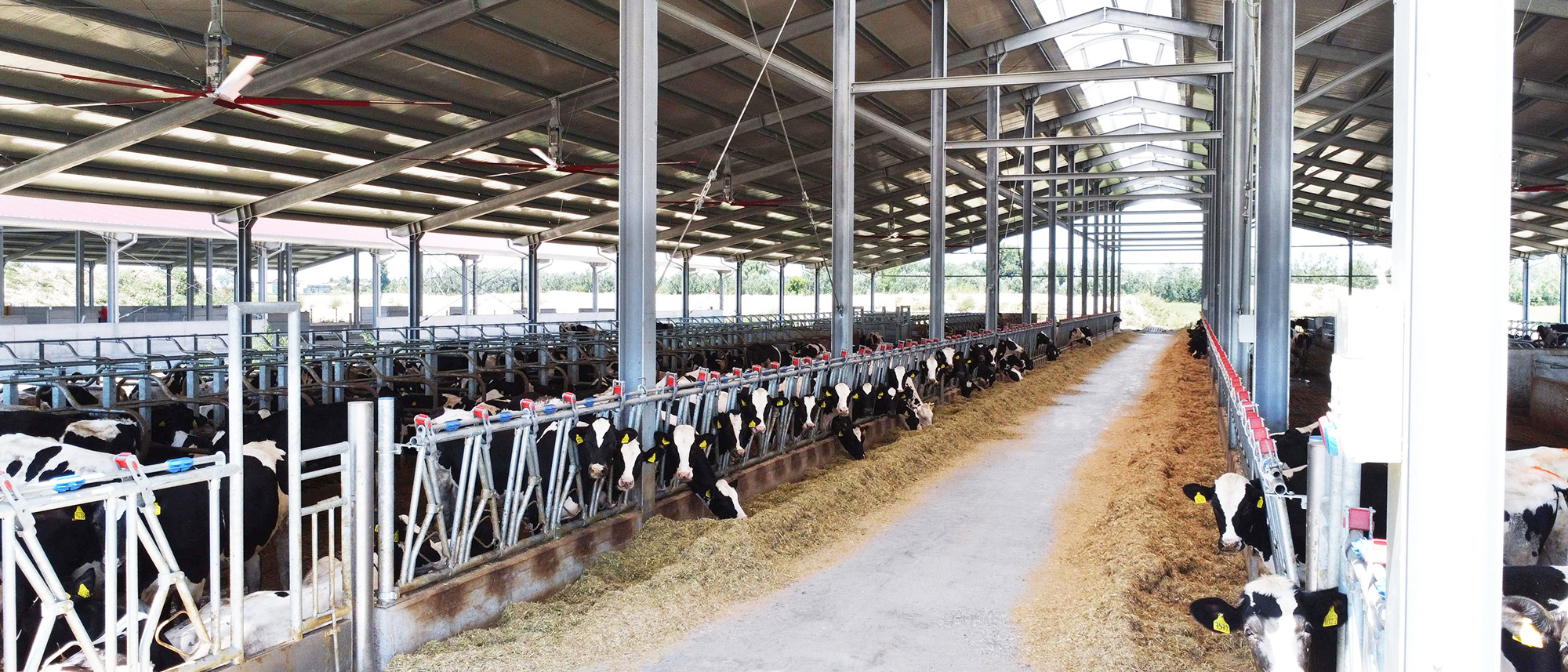
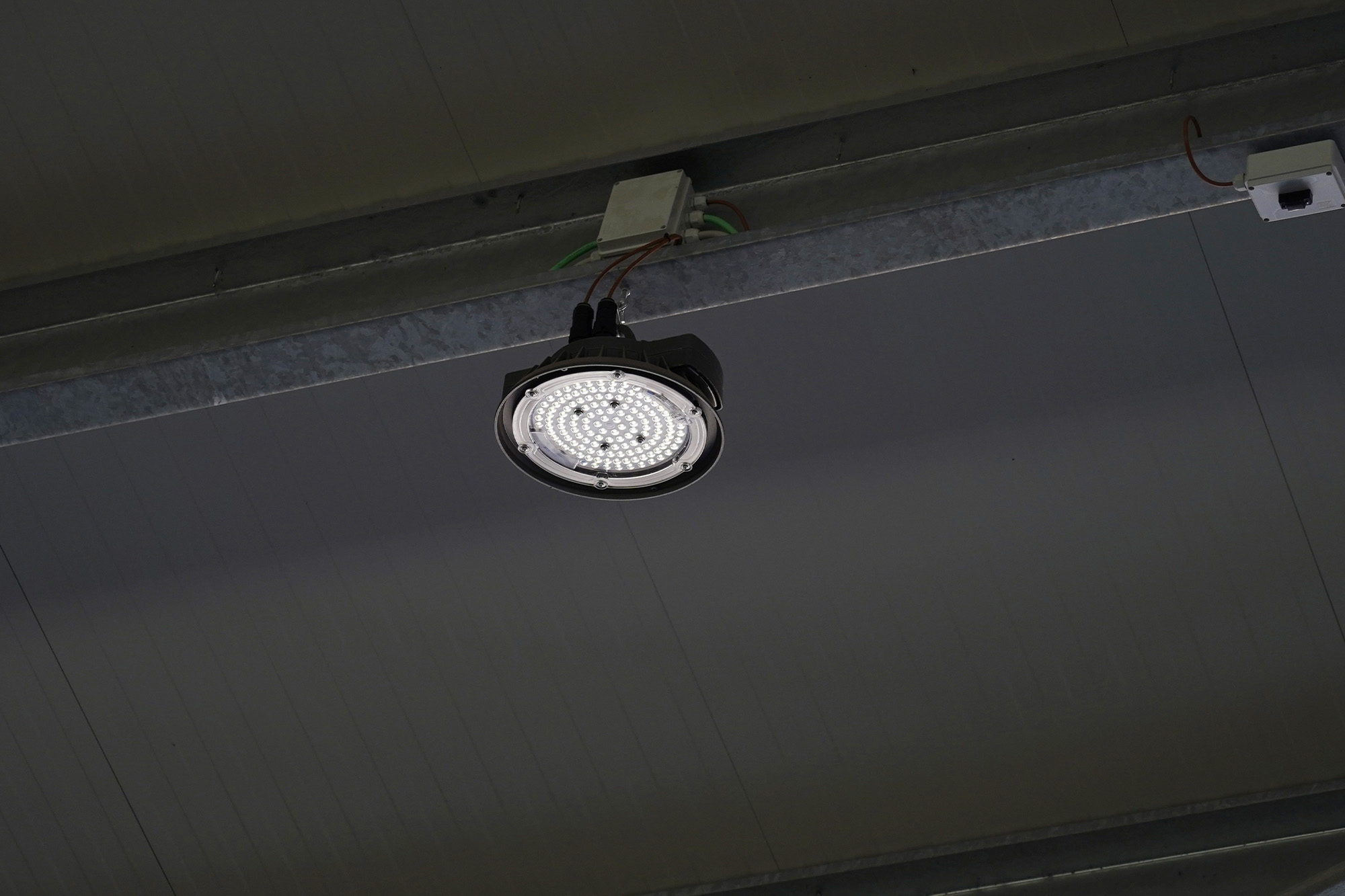
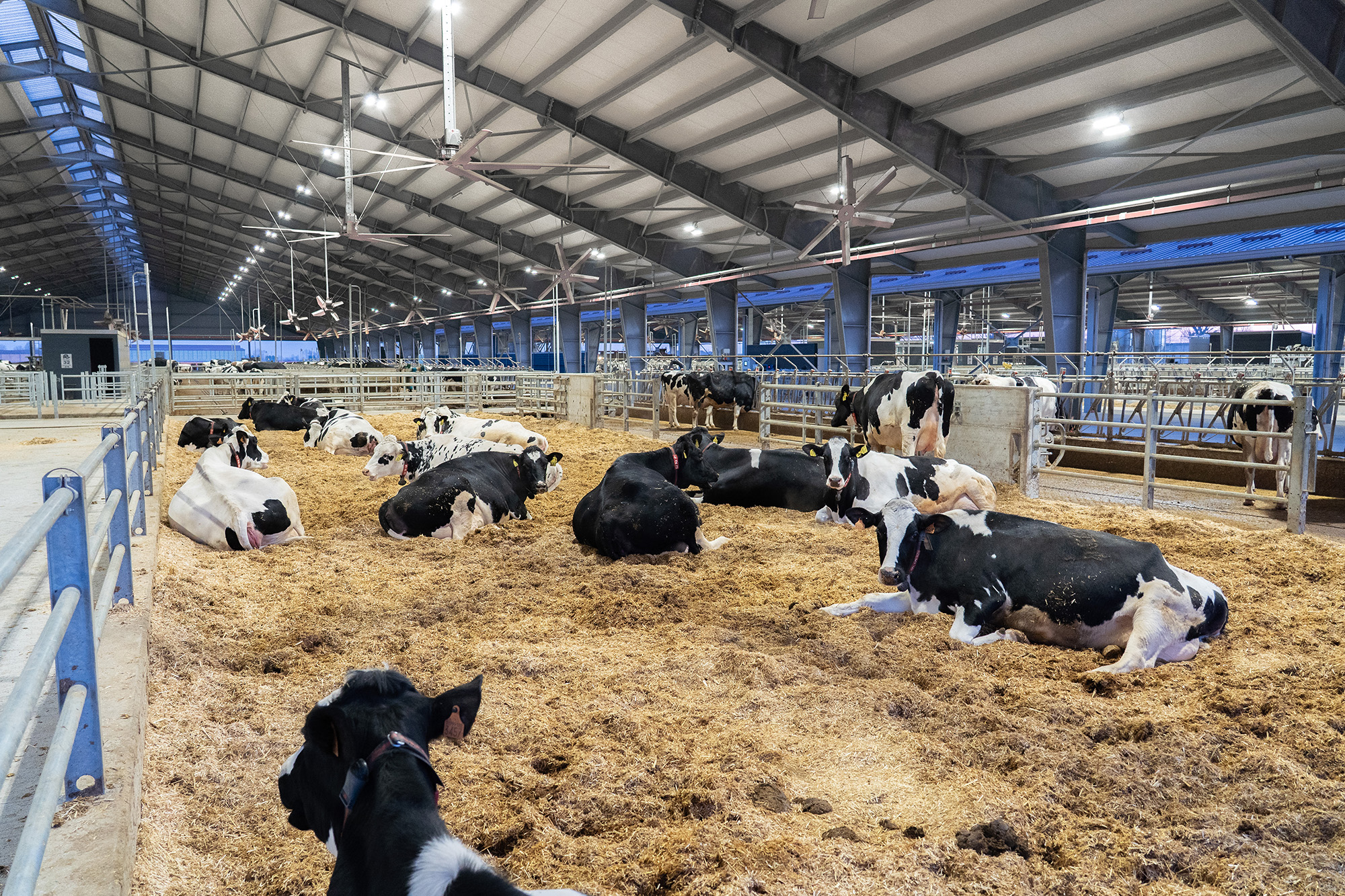
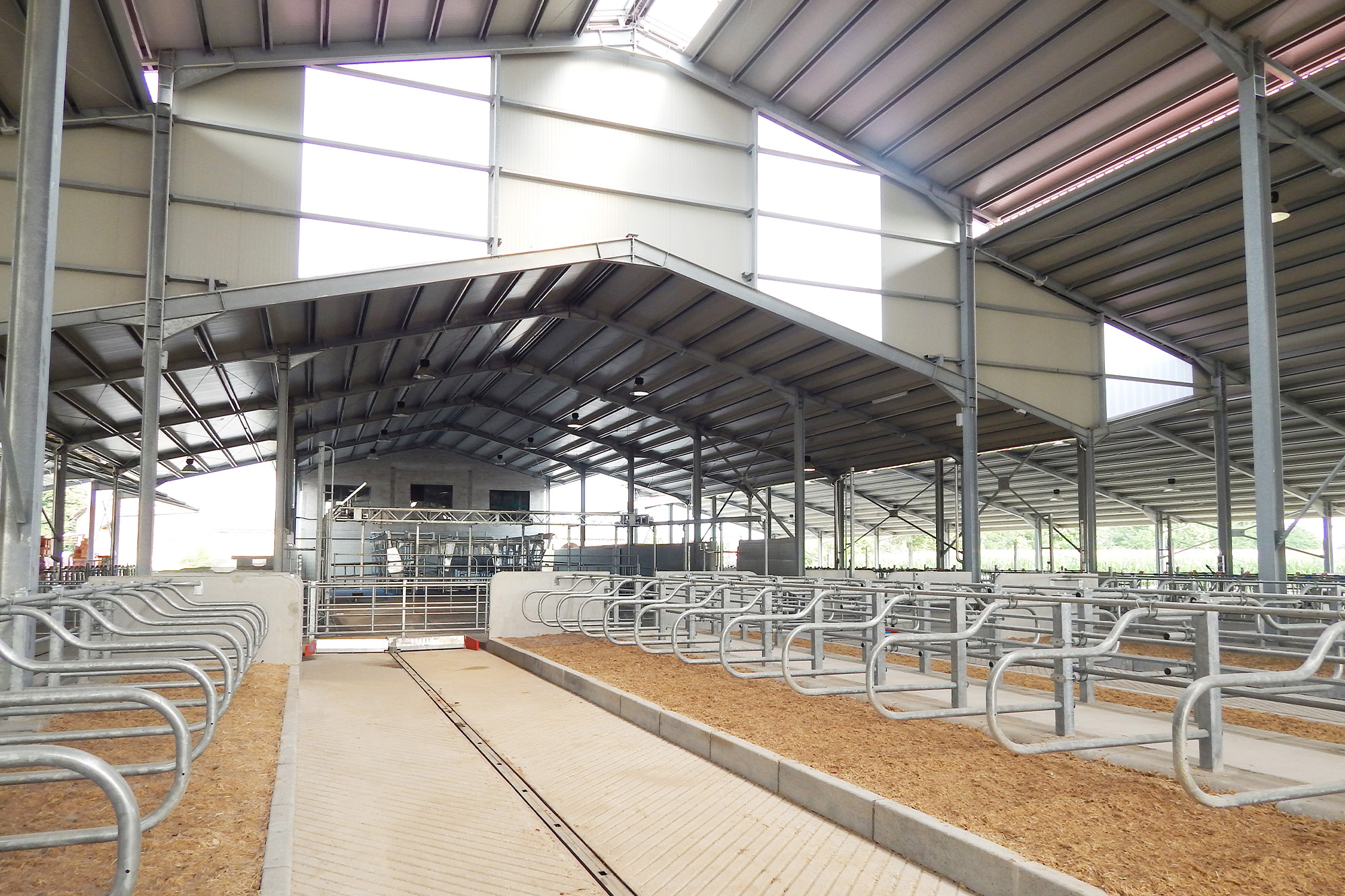
Artificial lighting is a management tool that affects the welfare and productivity of dairy cows: the intensity, distribution and duration of light directly influence biological functions and performance.
BEST PRACTICES
Differentiated lighting for each functional area
A proper balance of light between resting and feeding areas helps to stimulate metabolic functions.
- 120 lux recommended in resting areas
- Up to 200 lux in feeding areas
- A minimum of 150 lux at eye level to promote hormonal activation
PHOTOPERIOD
More hours of light, higher milk production
During lactation, an extended photoperiod (16–18 hours of light per day) increases feed intake and reduces melatonin secretion, leading to:
• Up to +2.5 kg of milk per cow per day
• Improved fertility and conception rates
• A more efficient immune system
DRY PERIOD
Short photoperiod for a more effective phase
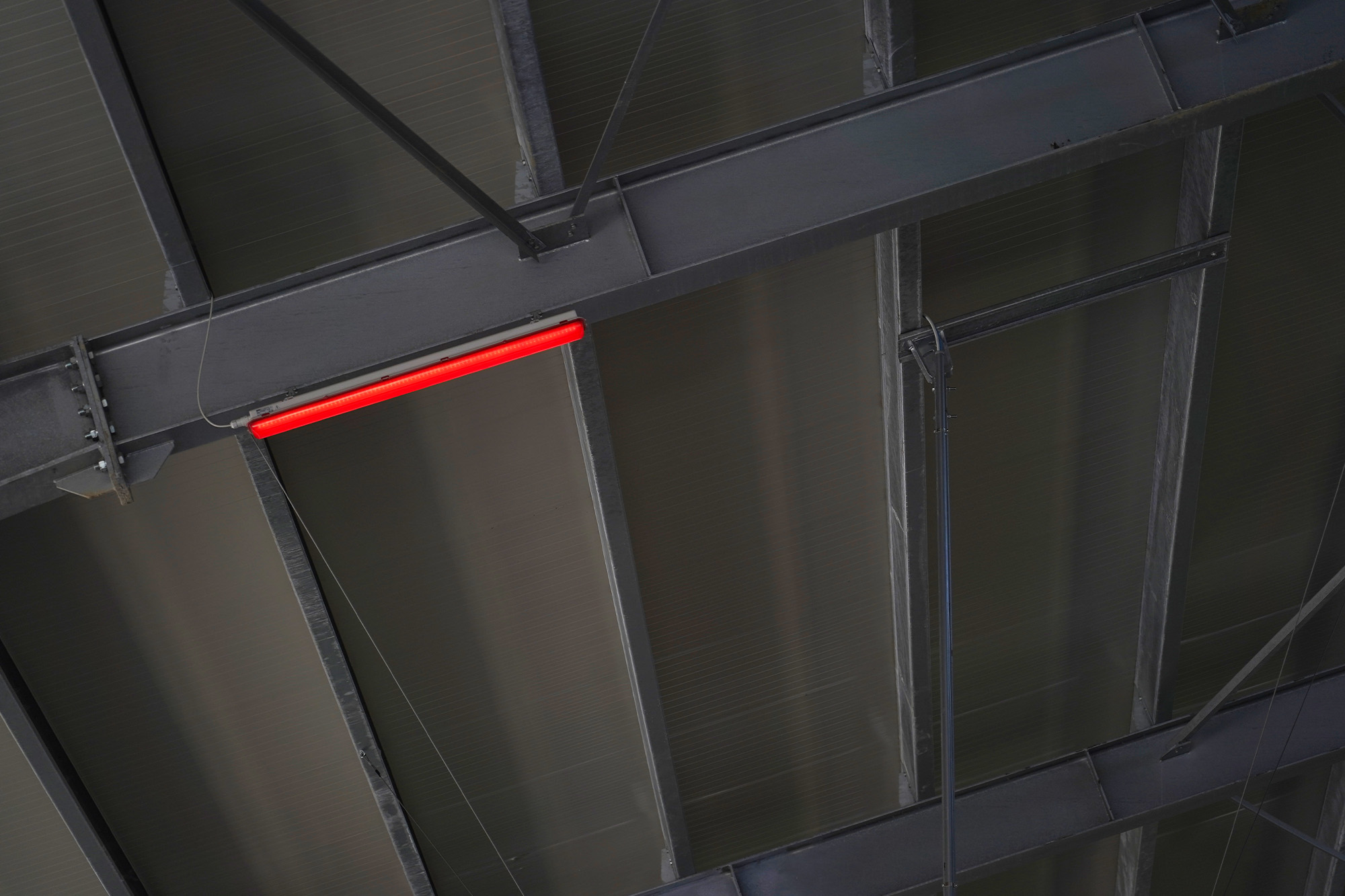
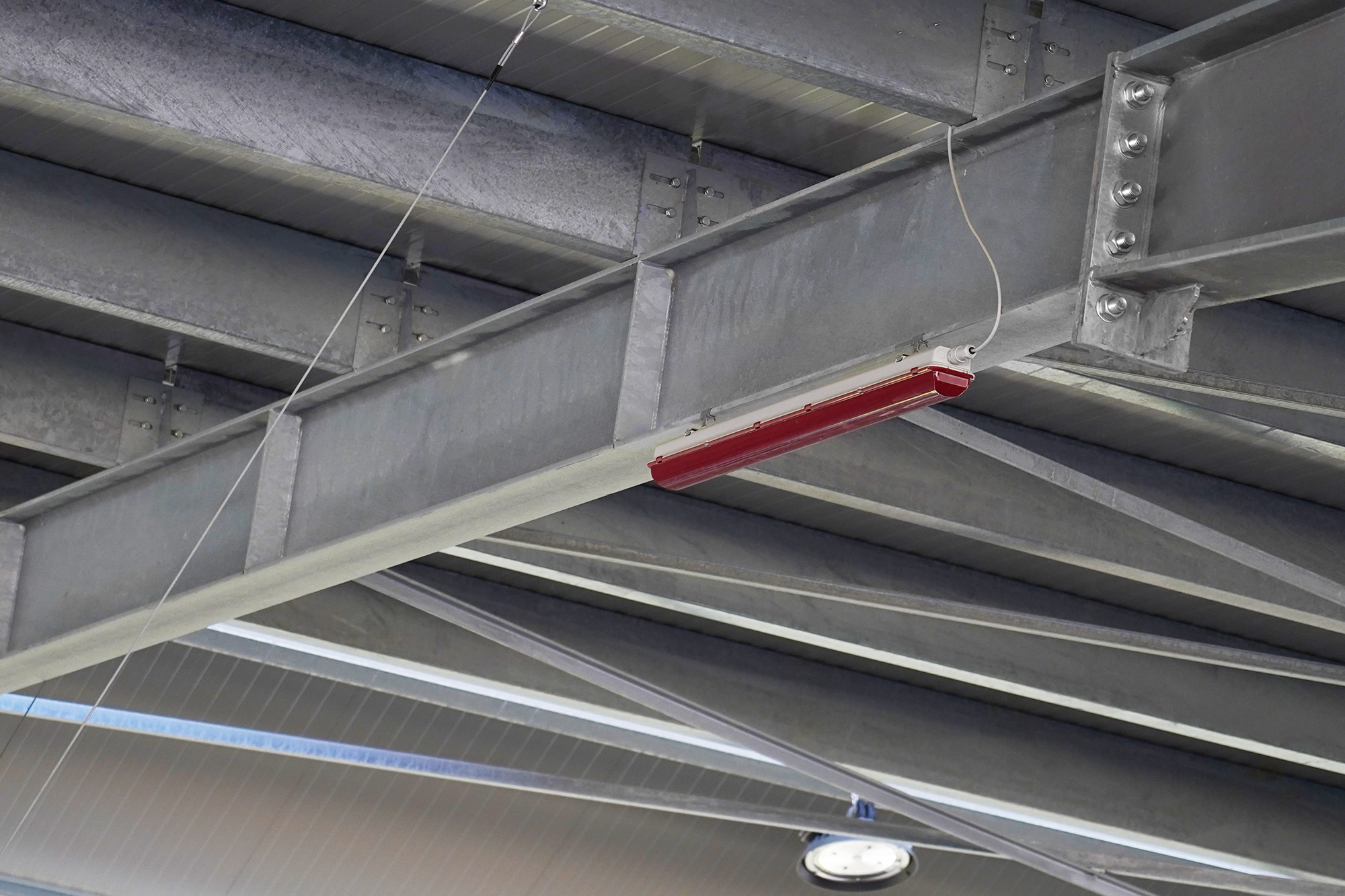
During the dry period, 8 hours of light per day are recommended to support physiological recovery and ensure more productive lactation later on.
UNIFORMITY AND TECHNOLOGY
The right light, in the right way
To deliver the expected benefits, lighting must be:
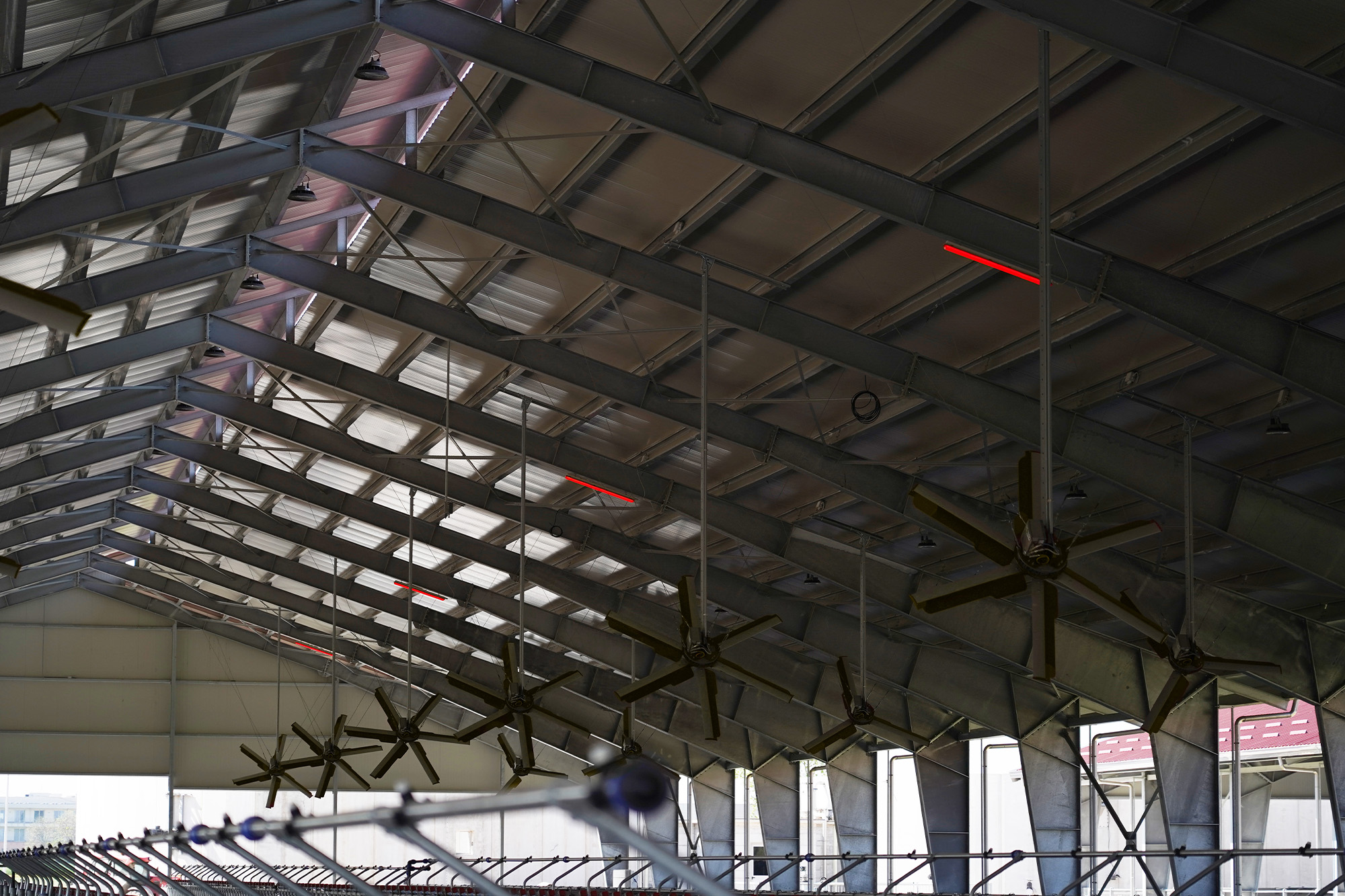
• Evenly distributed
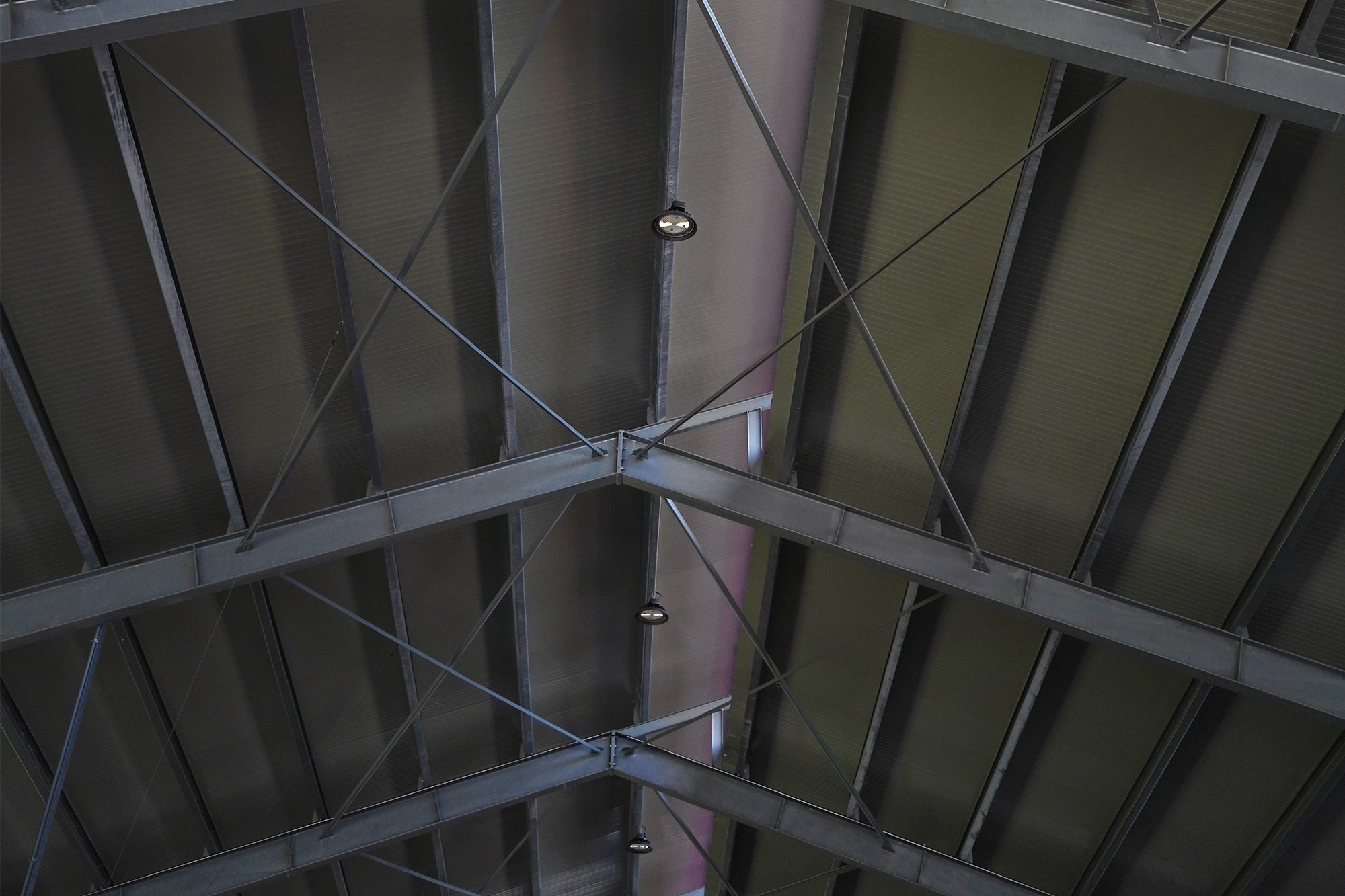
• Warm-coloured (3000K) to mimic natural sunlight
• Dimmable and controlled by twilight sensors
ADVICE
Request a consultation
Please do not hesitate to contact us
Rota Guido’s technical and sales team is at your complete disposal for any enquiries or information you may require