VENTILATION IN THE CALFING PEN
The right microclimate for high-quality growth
Effective ventilation is essential for ensuring an optimal microclimate in the calf pen, reducing stress and disease and promoting healthy, consistent growth in the calves.
A well-designed environment ensures healthy, clean air, protecting calves from cold, excessive heat, draughts and insects, thanks to a series of targeted measures. It also helps to keep insects at bay, increases feed intake, and improves the calves’ rest and vigour.
CALF HOUSING VENTILATION
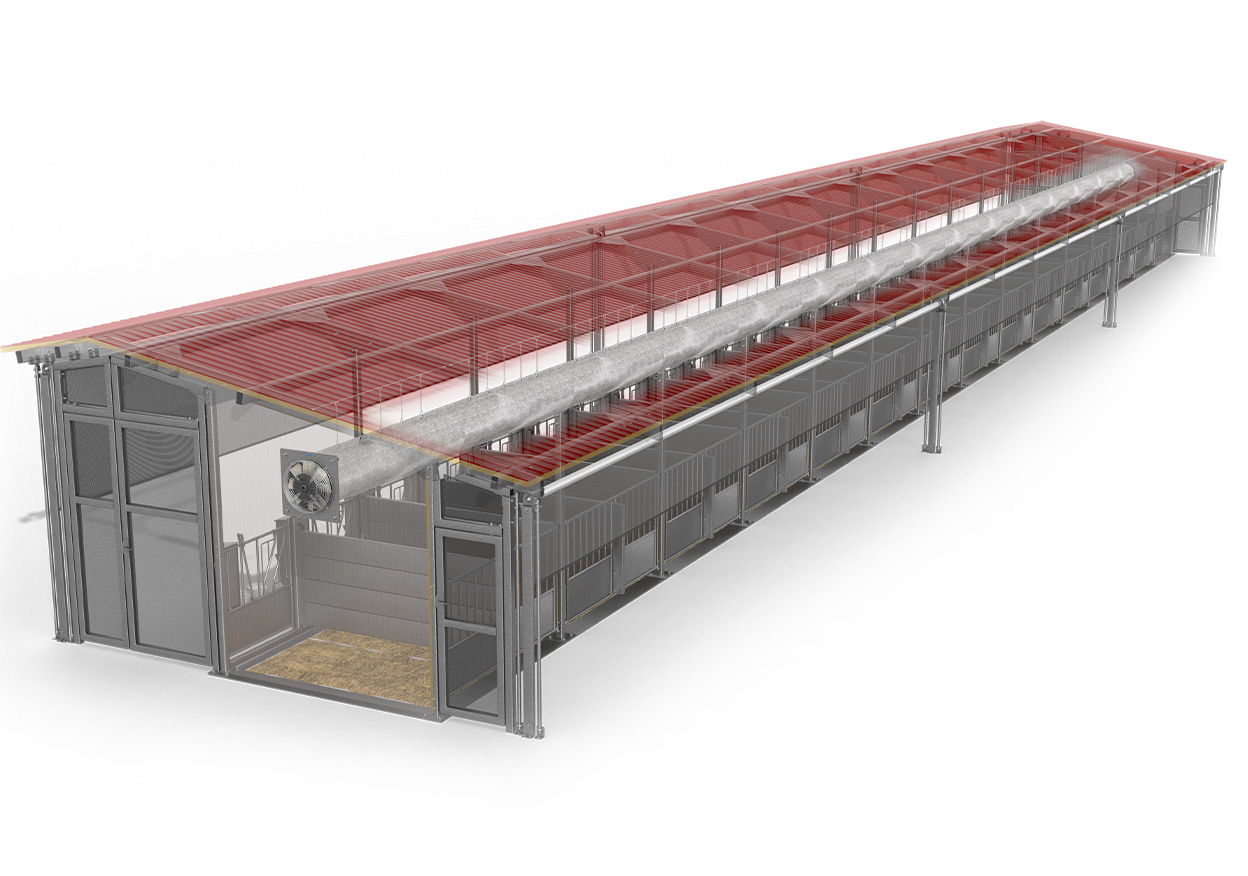
Positive-pressure ventilation duct
Positive-pressure ventilation ducts are a particularly effective solution in calf housing, where it is essential to ensure a constant supply of fresh, controlled air. The fan draws clean air into the duct, distributing it evenly throughout the environment. This system improves air quality, maintains a more stable temperature, reduces humidity and minimises the risk of respiratory diseases, ensuring the calves’ well-being whilst keeping energy consumption low.
CALF VENTILATION
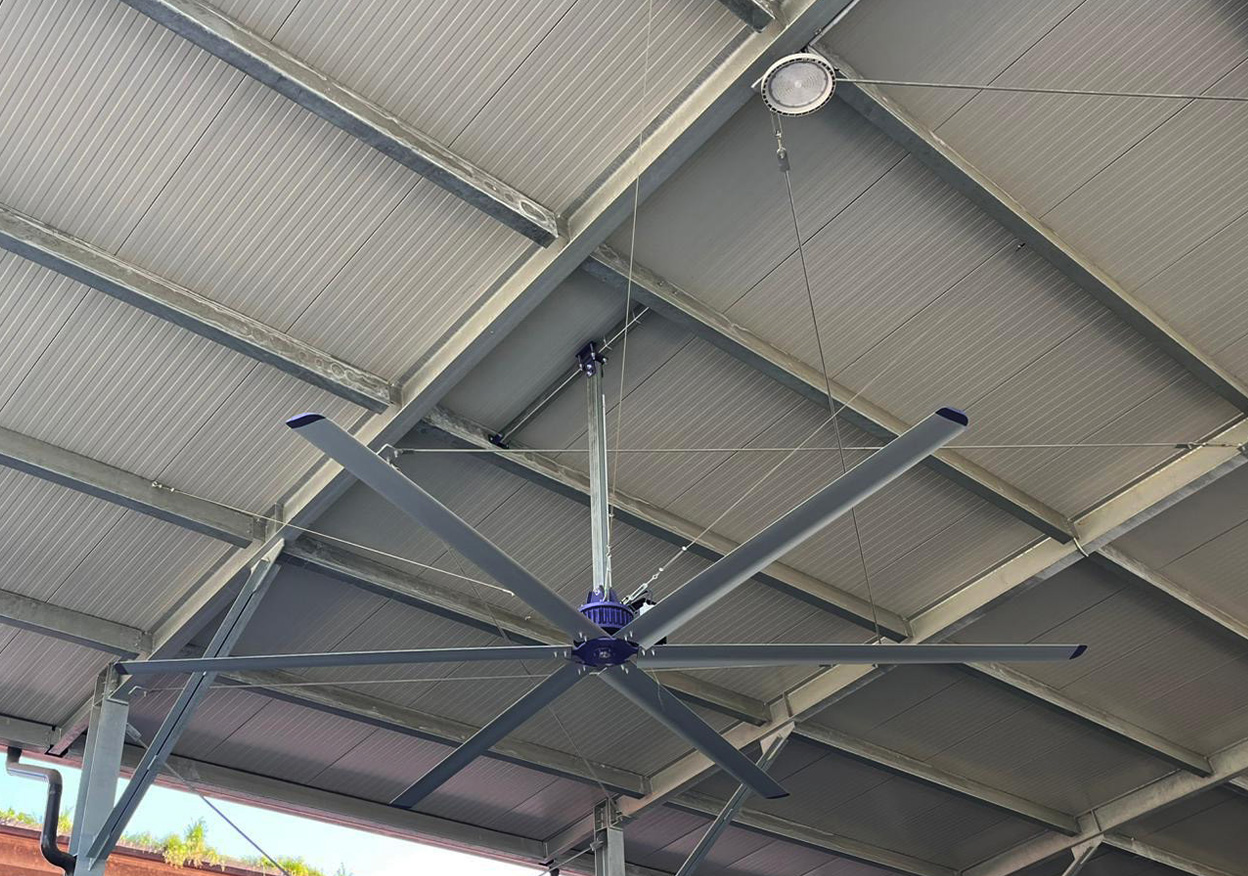
“Big Fan” permanent magnet axial de-stratifiers
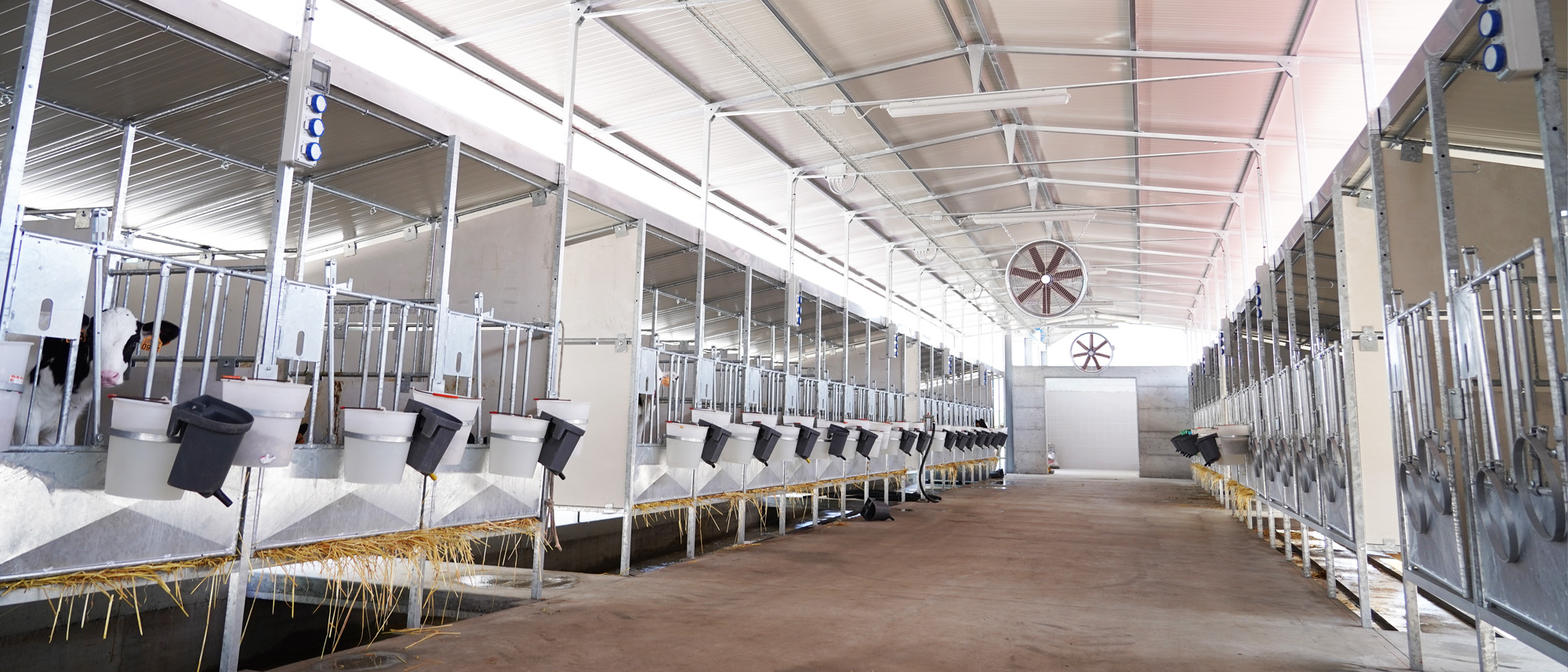
BIG FAN de-stratifiers are the ideal solution for resting areas with permanent bedding, provided that the calves are adequately ventilated and cooled, including in the feeding areas.
The axial destratifier is equipped with a permanent magnet motor and 5 aluminium blades positioned horizontally relative to the ground. Its function is to move large volumes of air at low speed, promoting air exchange and helping to disperse gases that can accumulate in the barn, such as ammonia.
The system comes complete with a motor, integrated inverter and mounting kit for steel structures.
Available models:
Ø 3 m – coverage area 15 m
Ø 4 m – coverage area 20 m
Ø 5 m – coverage area 25 m
Ø 6 m – coverage area 30 m
OPTIMAL MICROCLIMATE IN THE CALF HUT
What is the temperature in the calf hut?
A well-designed environment maintains pleasant conditions in both summer and winter, ensuring thermal comfort and good air quality for the calves.
Microclimate control is achieved through various integrated solutions.
Remote-controlled fans
Doors and windows
Blinds and windows
Proper air exchange
Ammonia reduction
How to: Microclimate in the calf barn
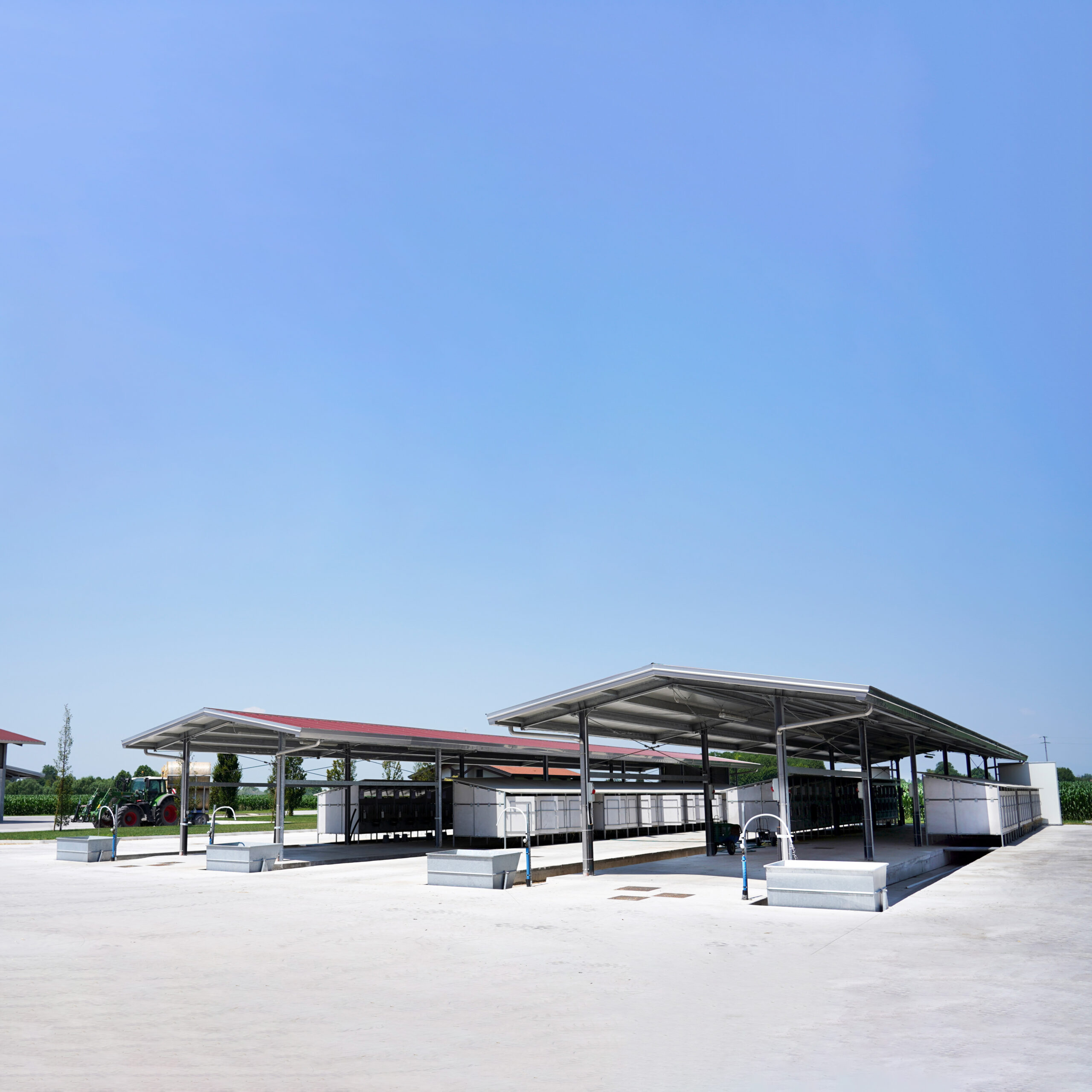
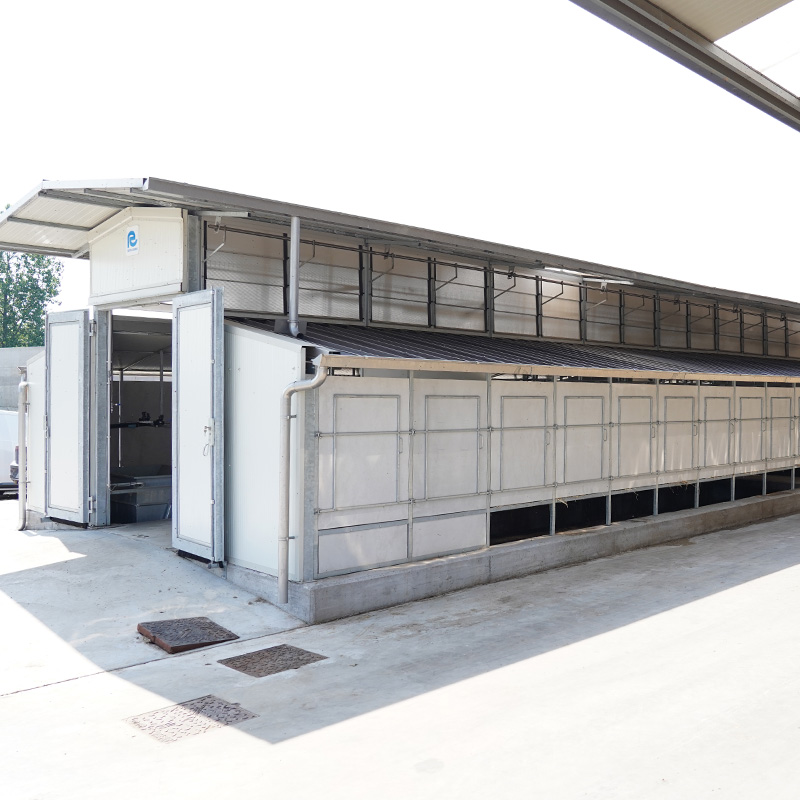
Roofing over the pens and domes over the central aisle to protect both animals and staff.
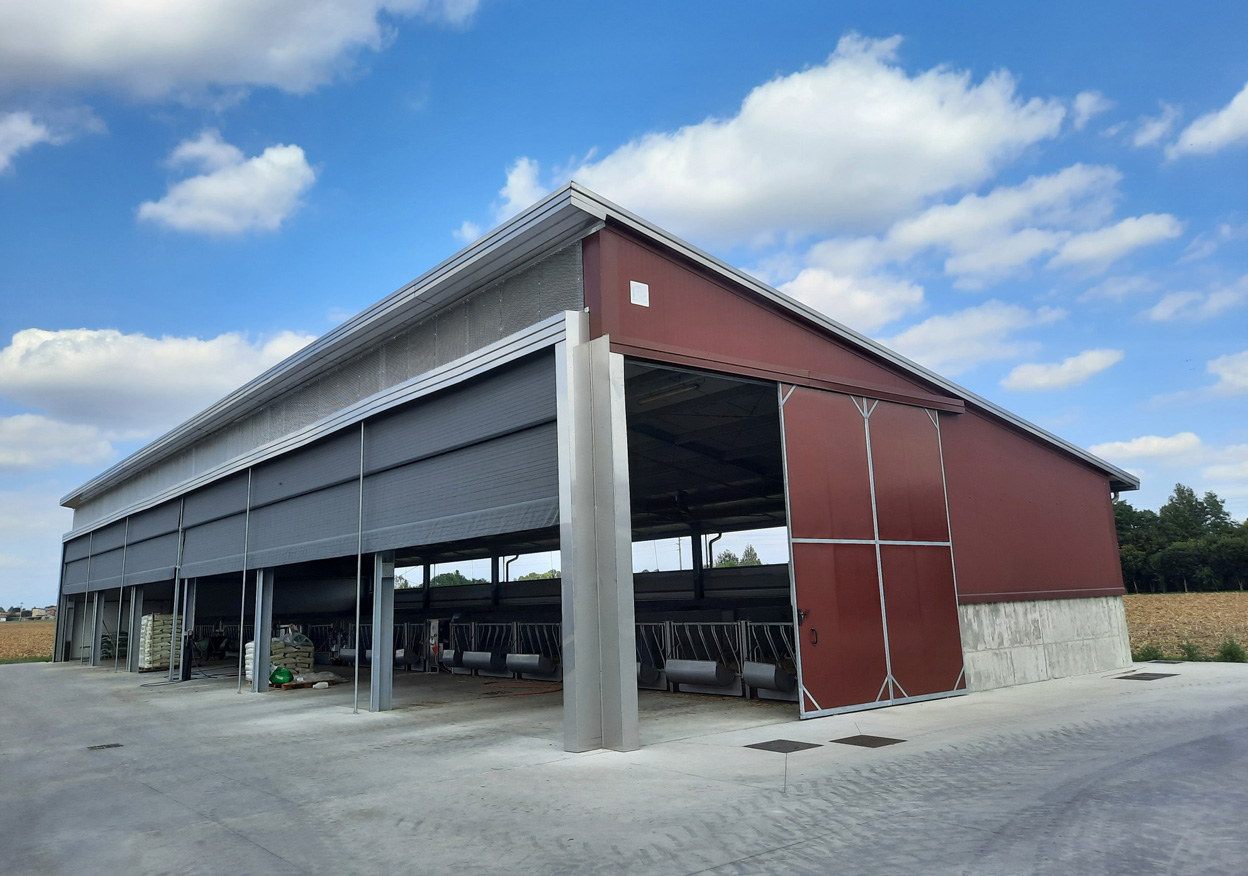
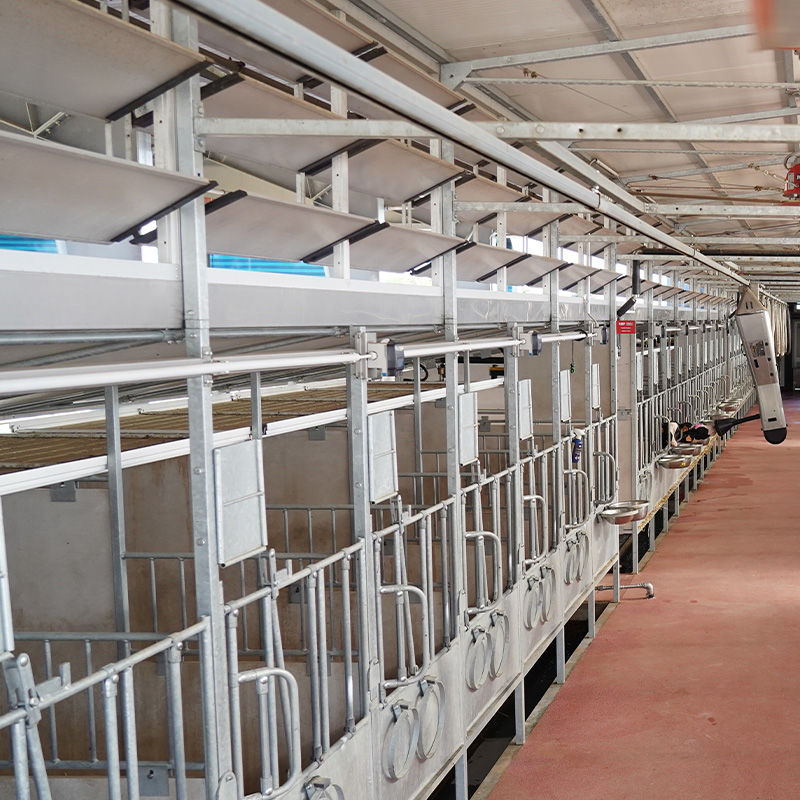
End doors and side slats controlled by sensors and anemometers to maintain the ideal temperature (10–15°C) without draughts that are particularly harmful to newborn calves.
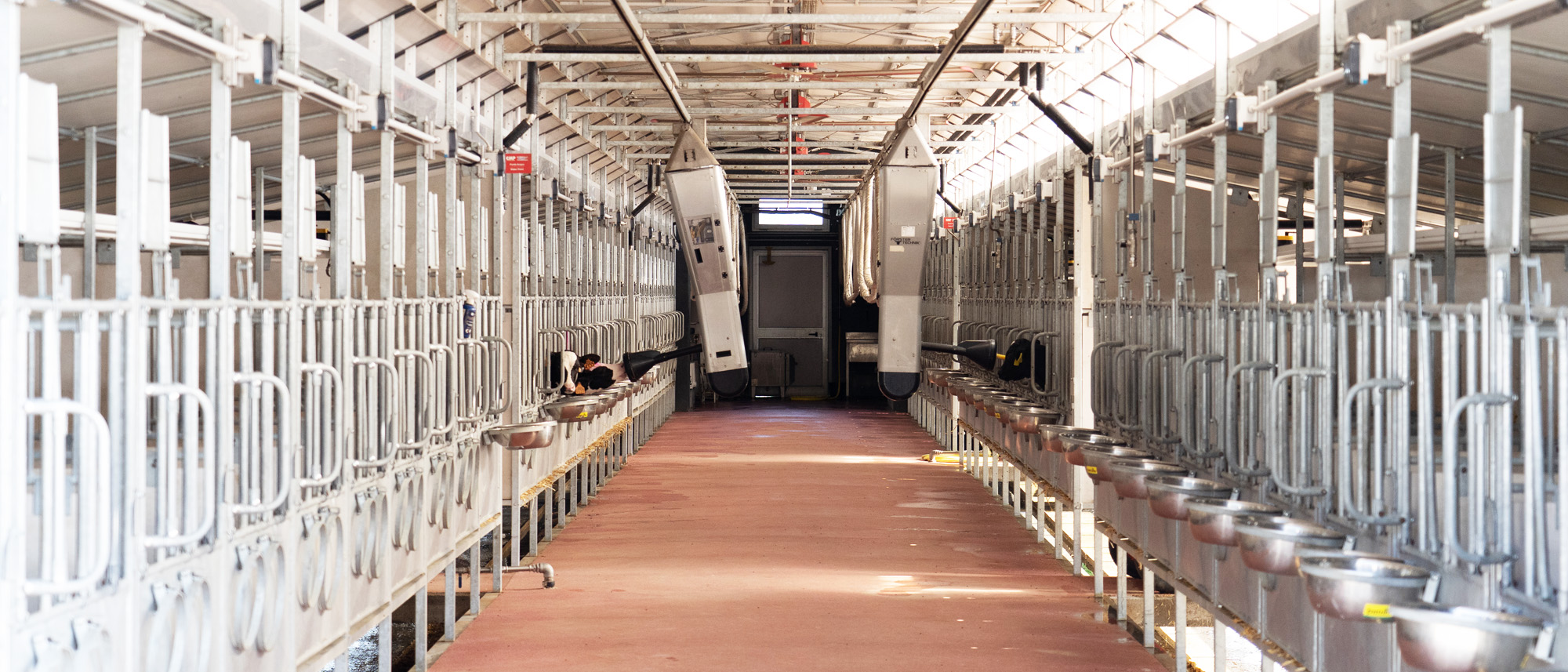
Fans in the operator’s corridor to ensure controlled air exchange and the removal of harmful gases.
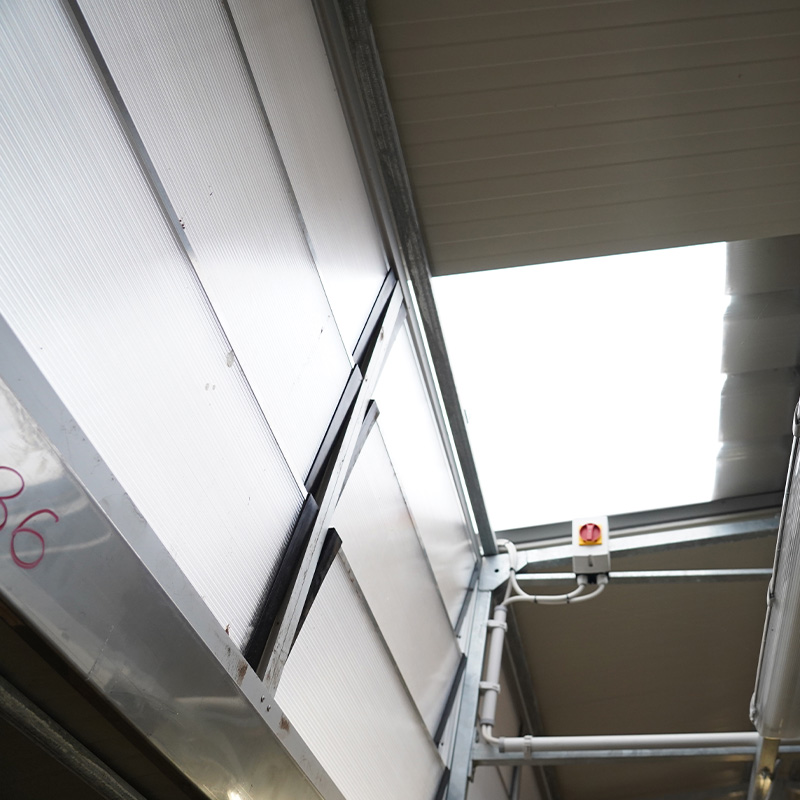
How to: microclimate in group box
Maintains constant temperatures and protects against sudden temperature changes.
Ventilation hood to promote natural air circulation.
Wind protection, shading function and automated two-way opening to regulate light and air.
A system that ensures comfort in summer and winter, reduces humidity and dries the bedding.