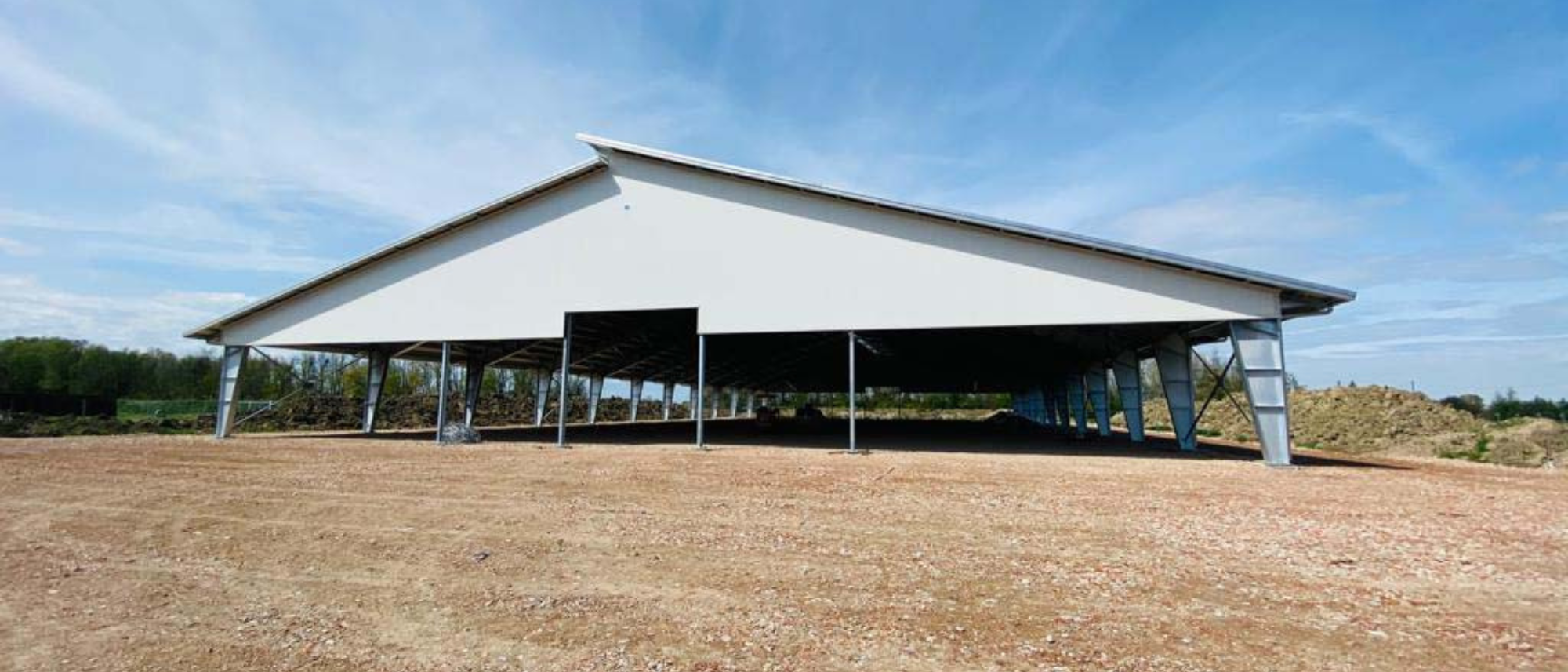
METAL STRUCTURES
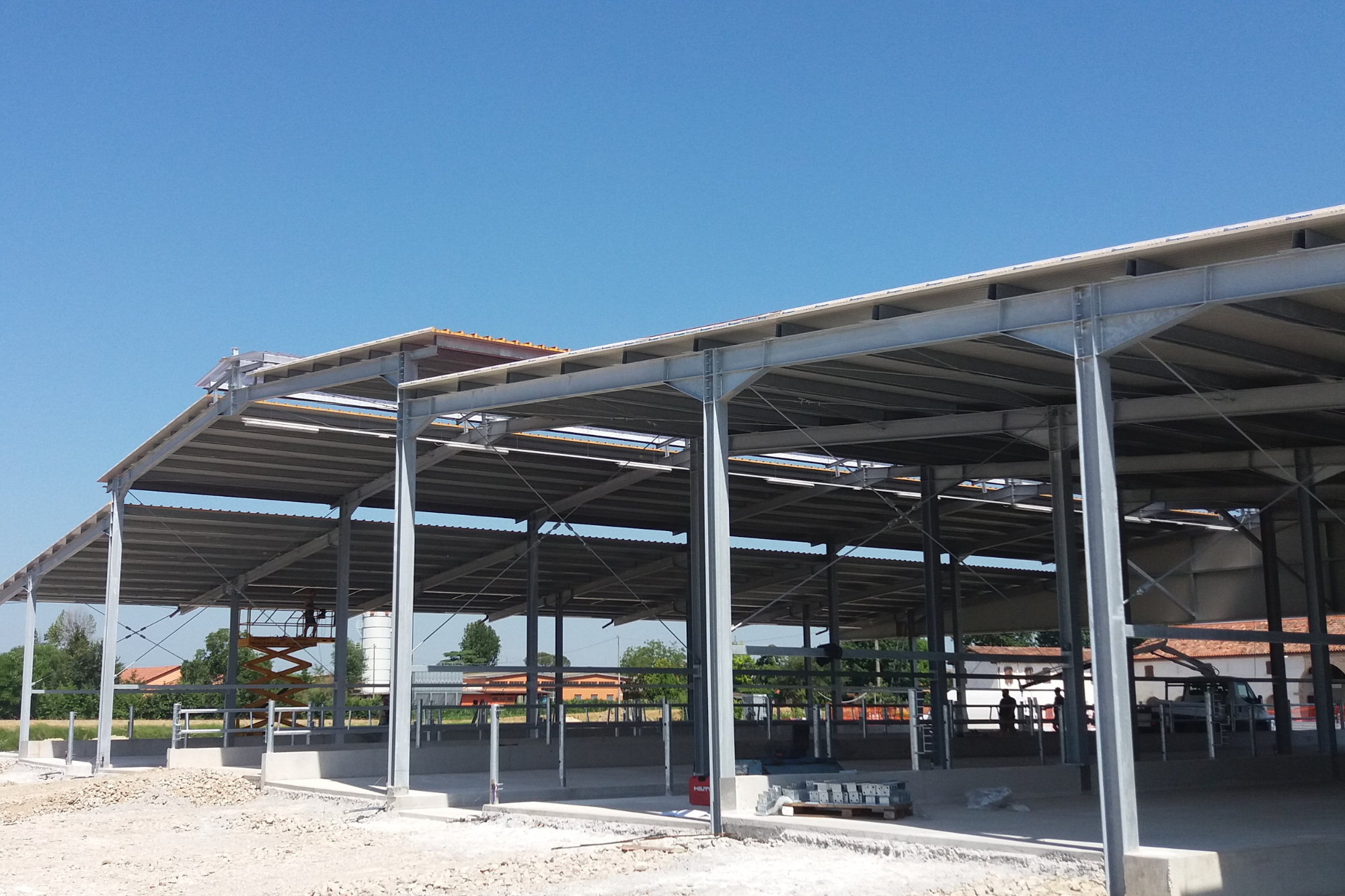
Prefabricated steel structures for livestock and industry
Structures designed for all major livestock species (dairy and beef cattle, calves, buffalo, poultry, sheep, goats, pigs, rabbits, horses, and donkeys) as well as for industrial, manufacturing, and logistics applications.
INTENDED USE
Facilities for all types of livestock
Facilities designed to house and efficiently manage the main livestock, adapting to the specific production and management needs of each farm and the desires of each farmer.
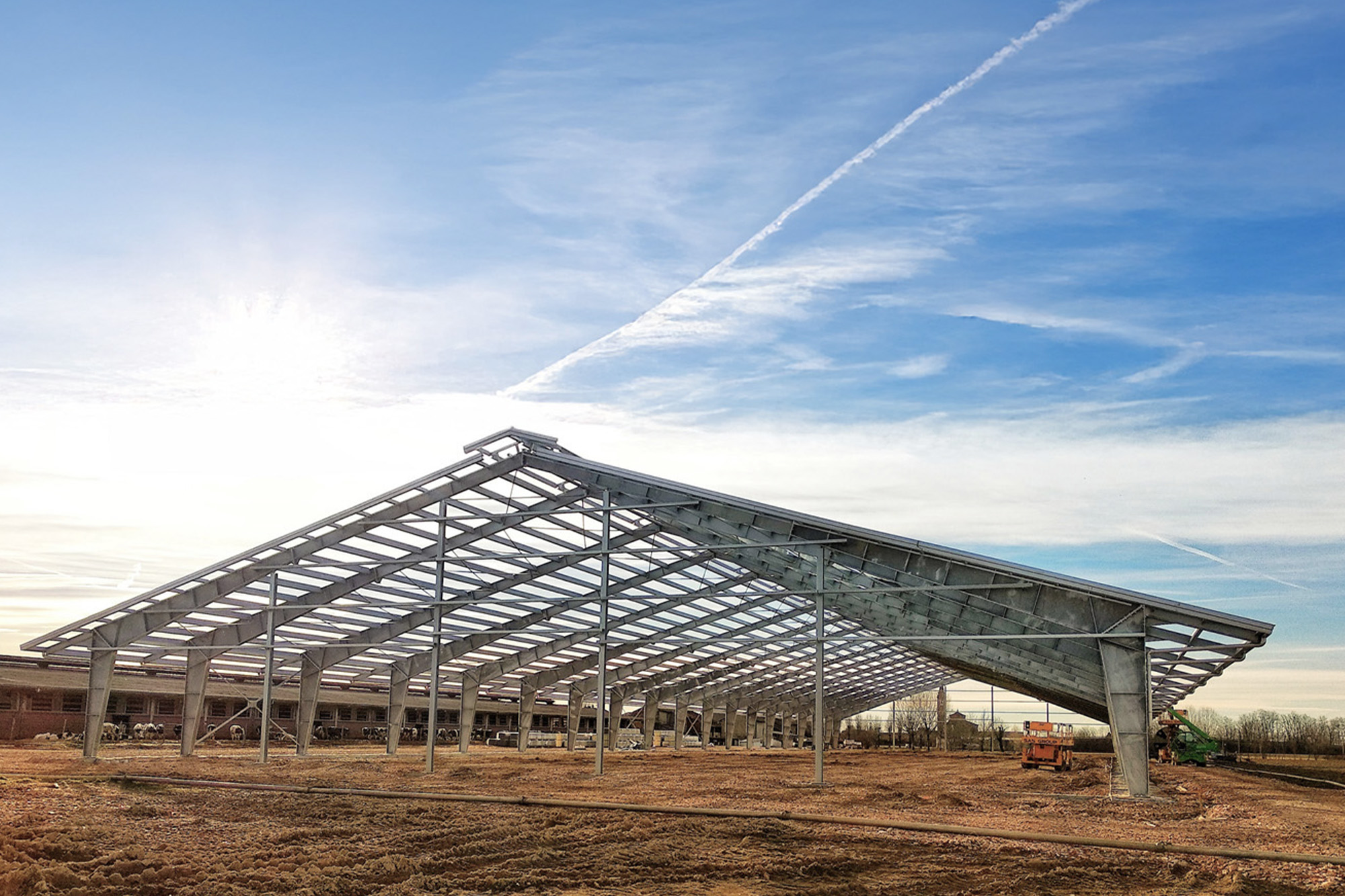
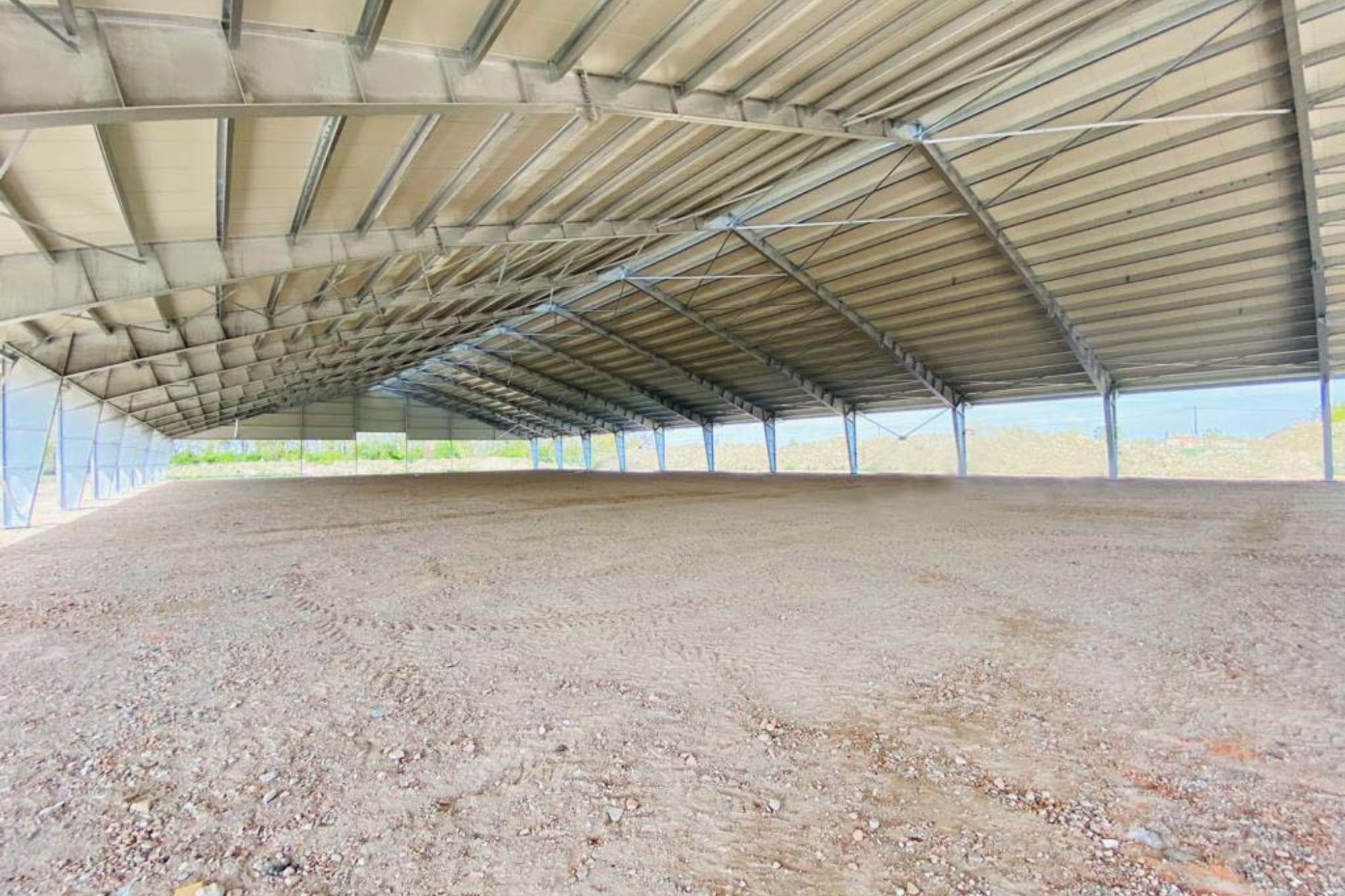
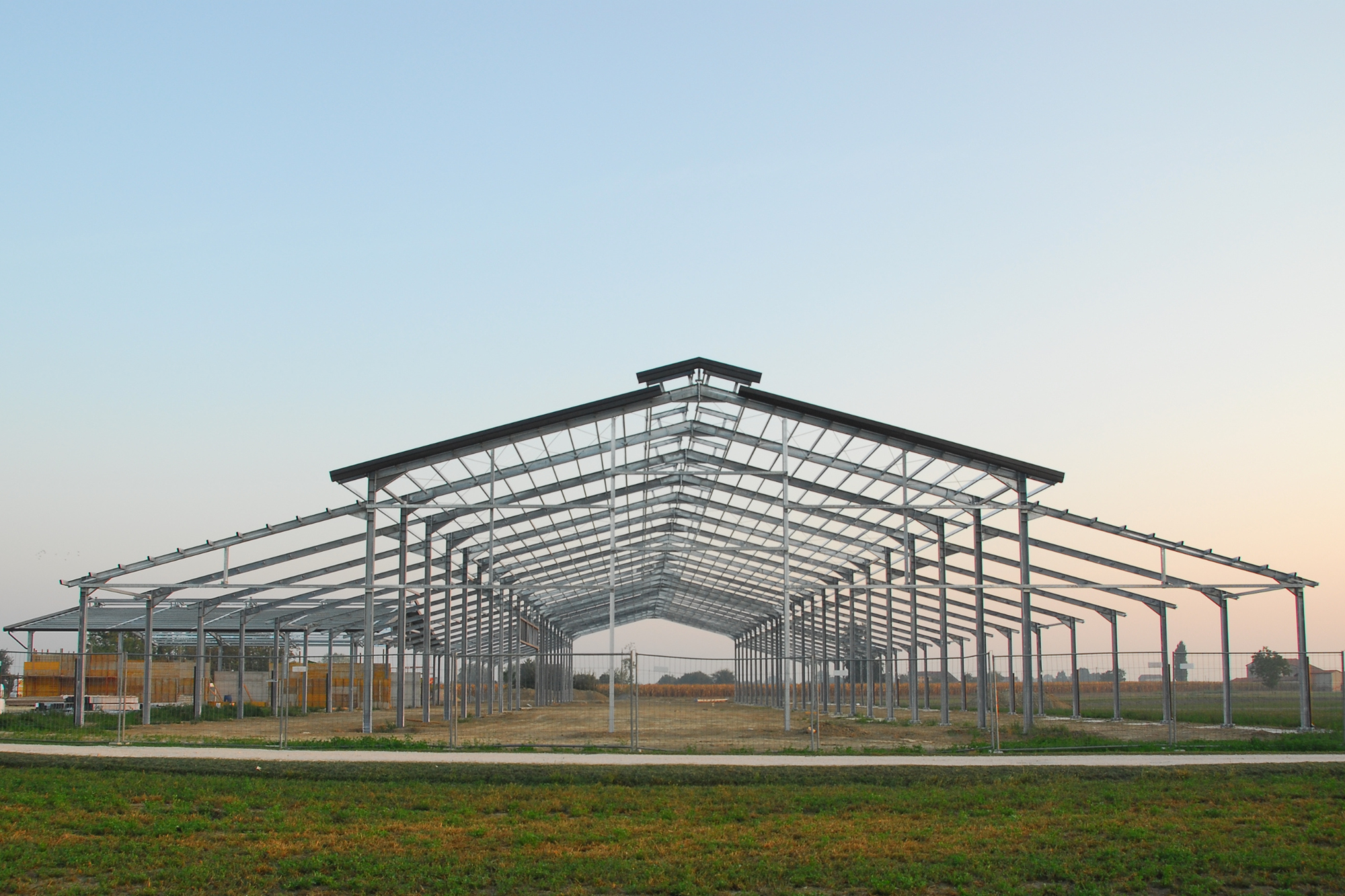
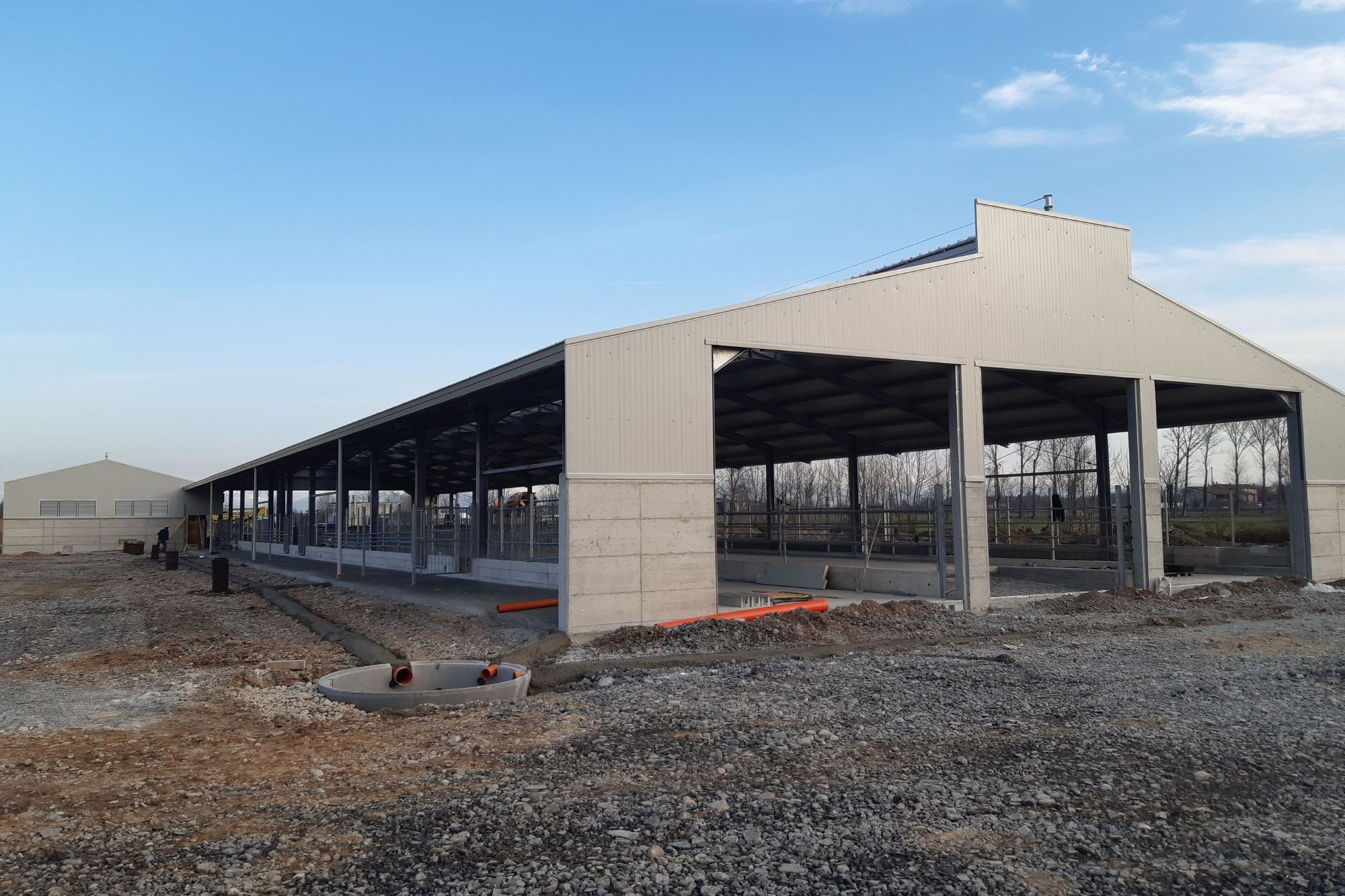
DAIRY CATTLE
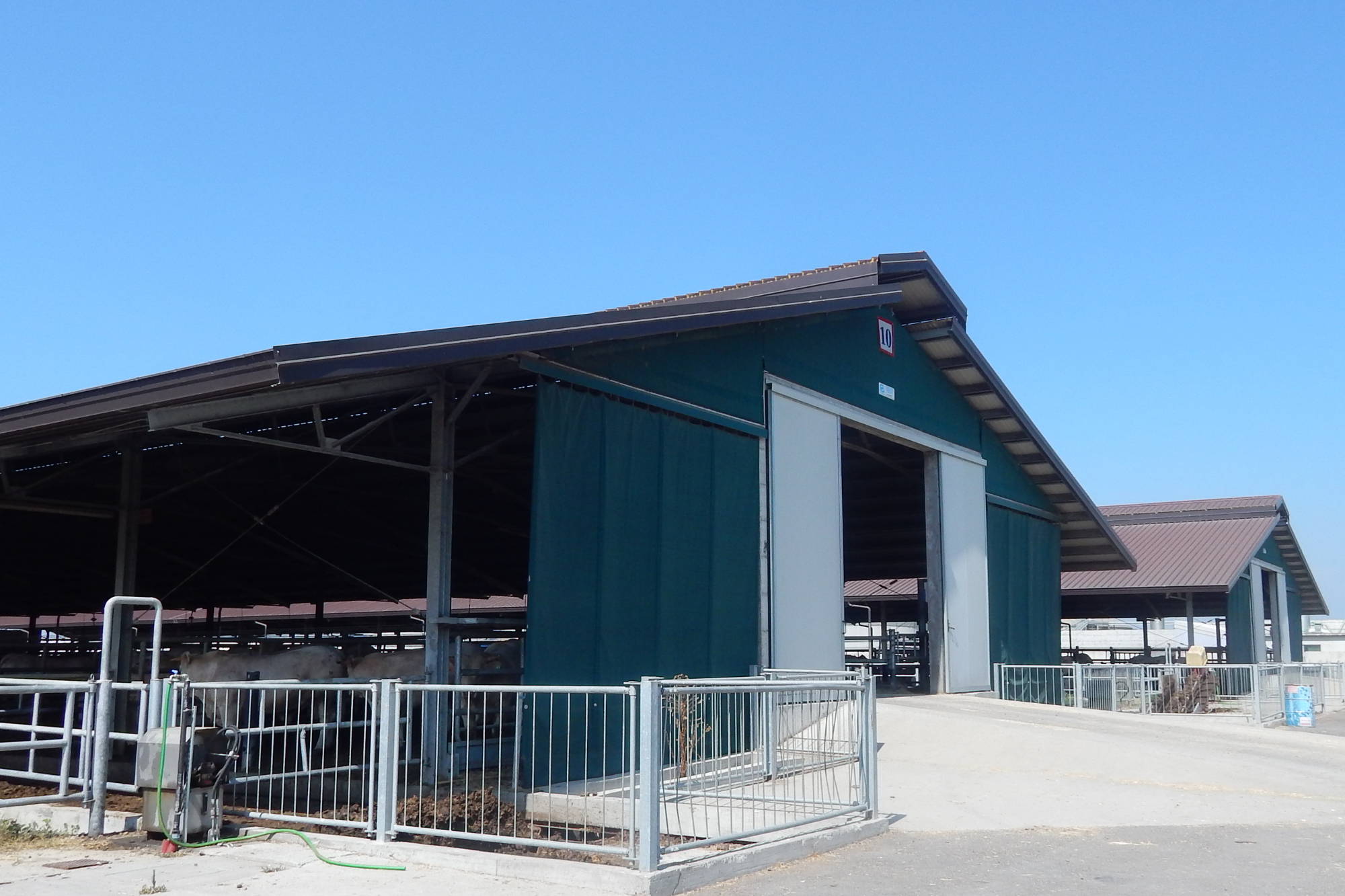
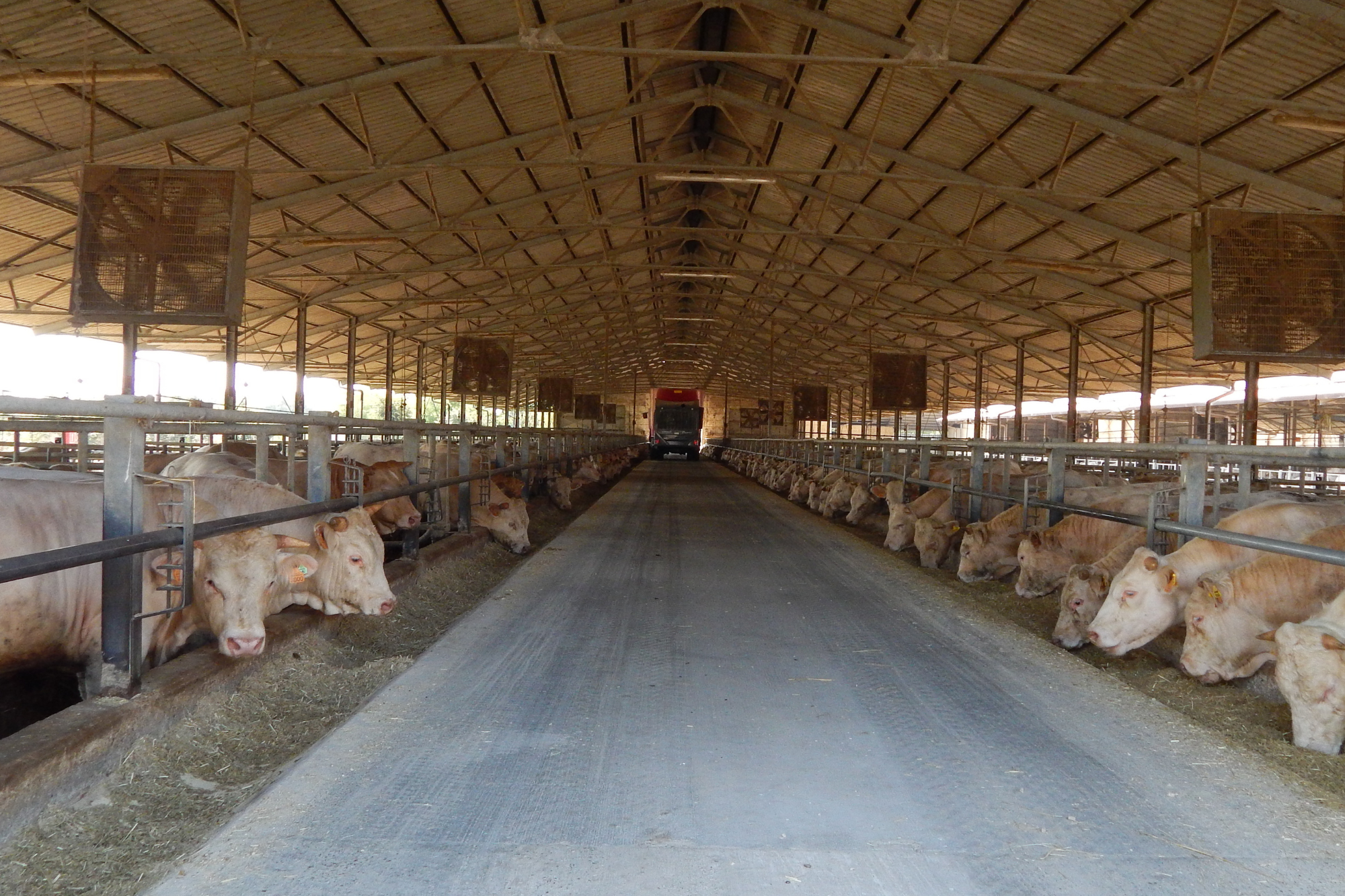
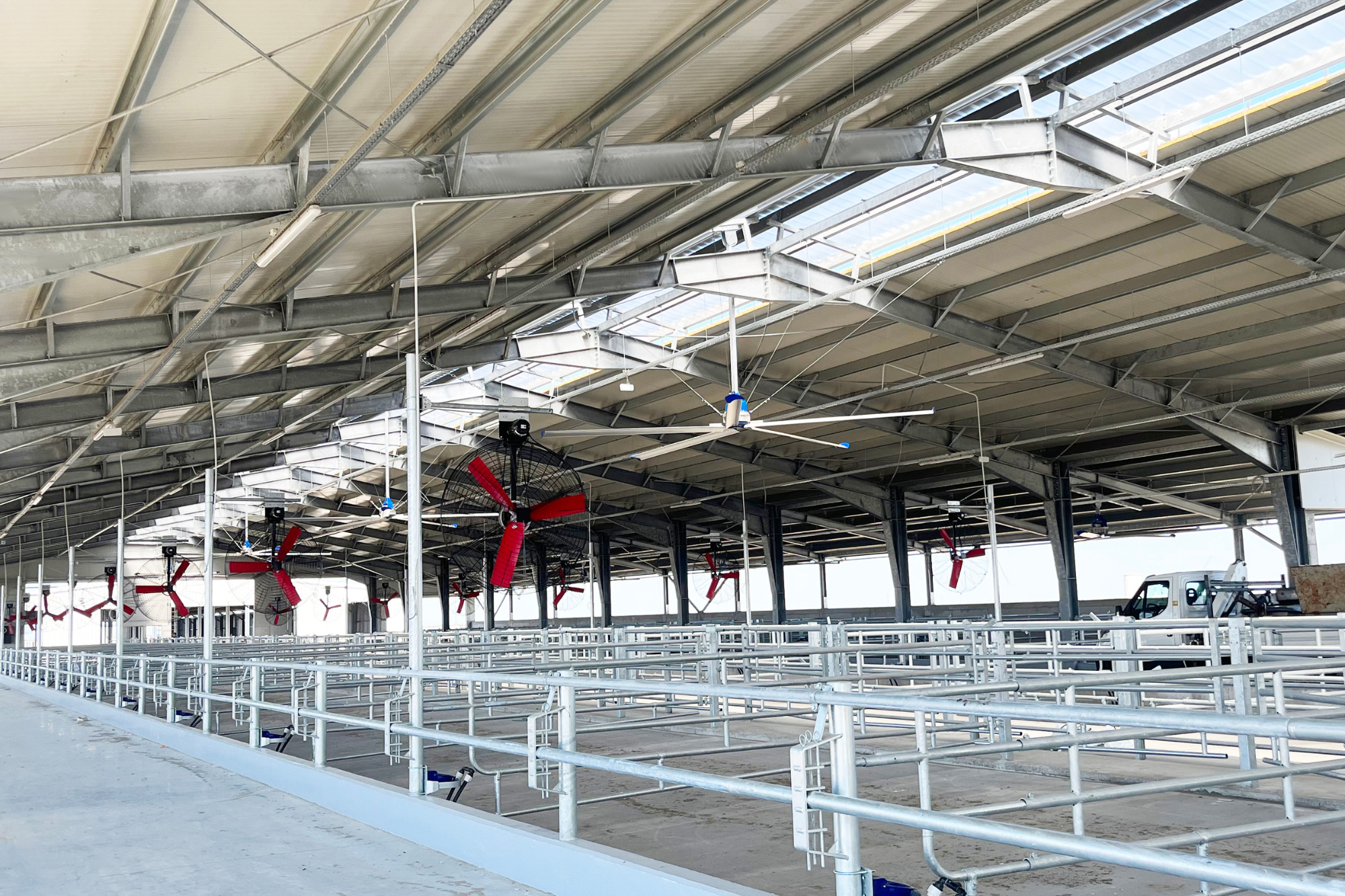
Free-stall cattle farming facilities
BEEF CATTLE
Tied-stall cattle farming facilities
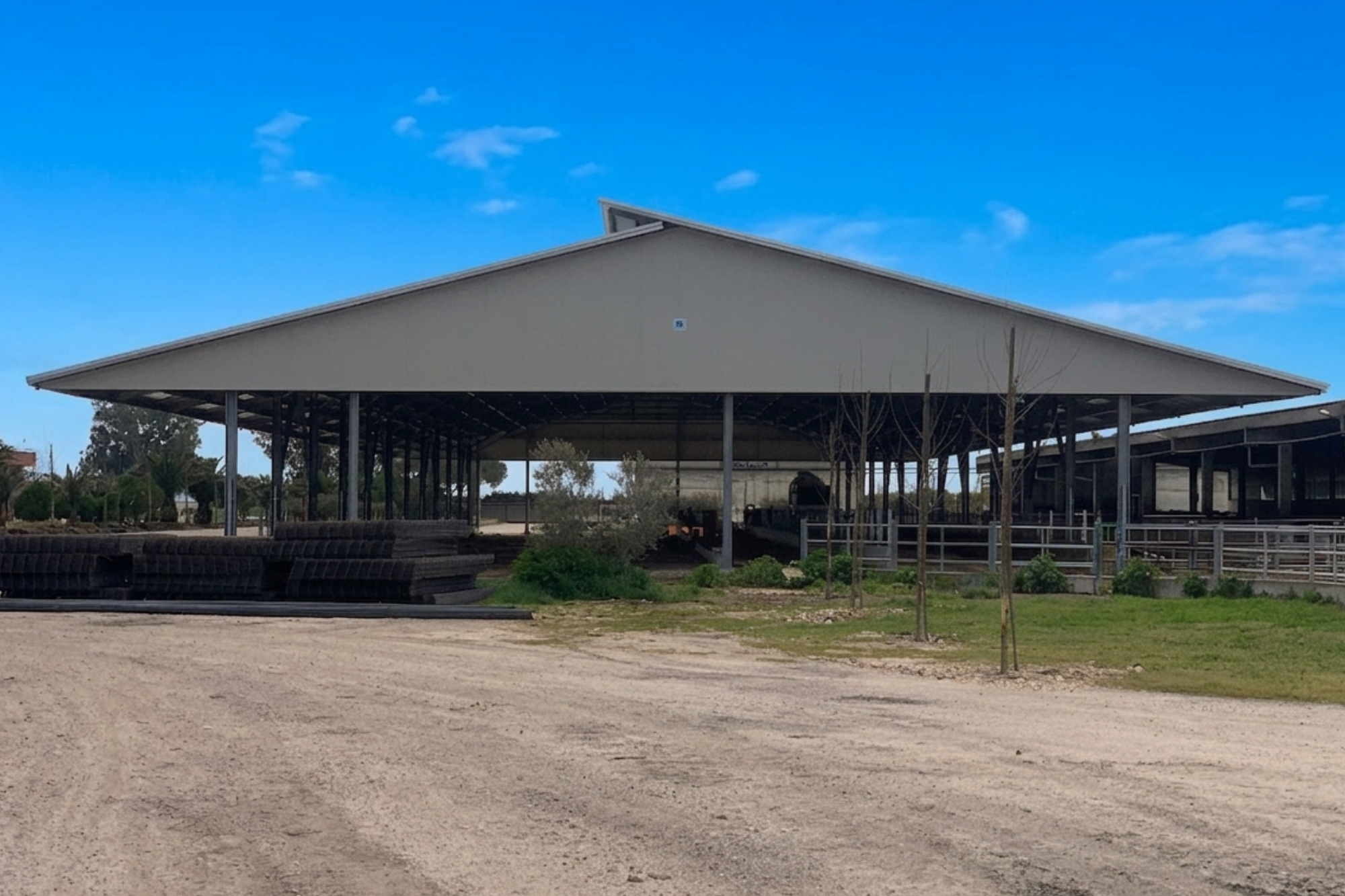
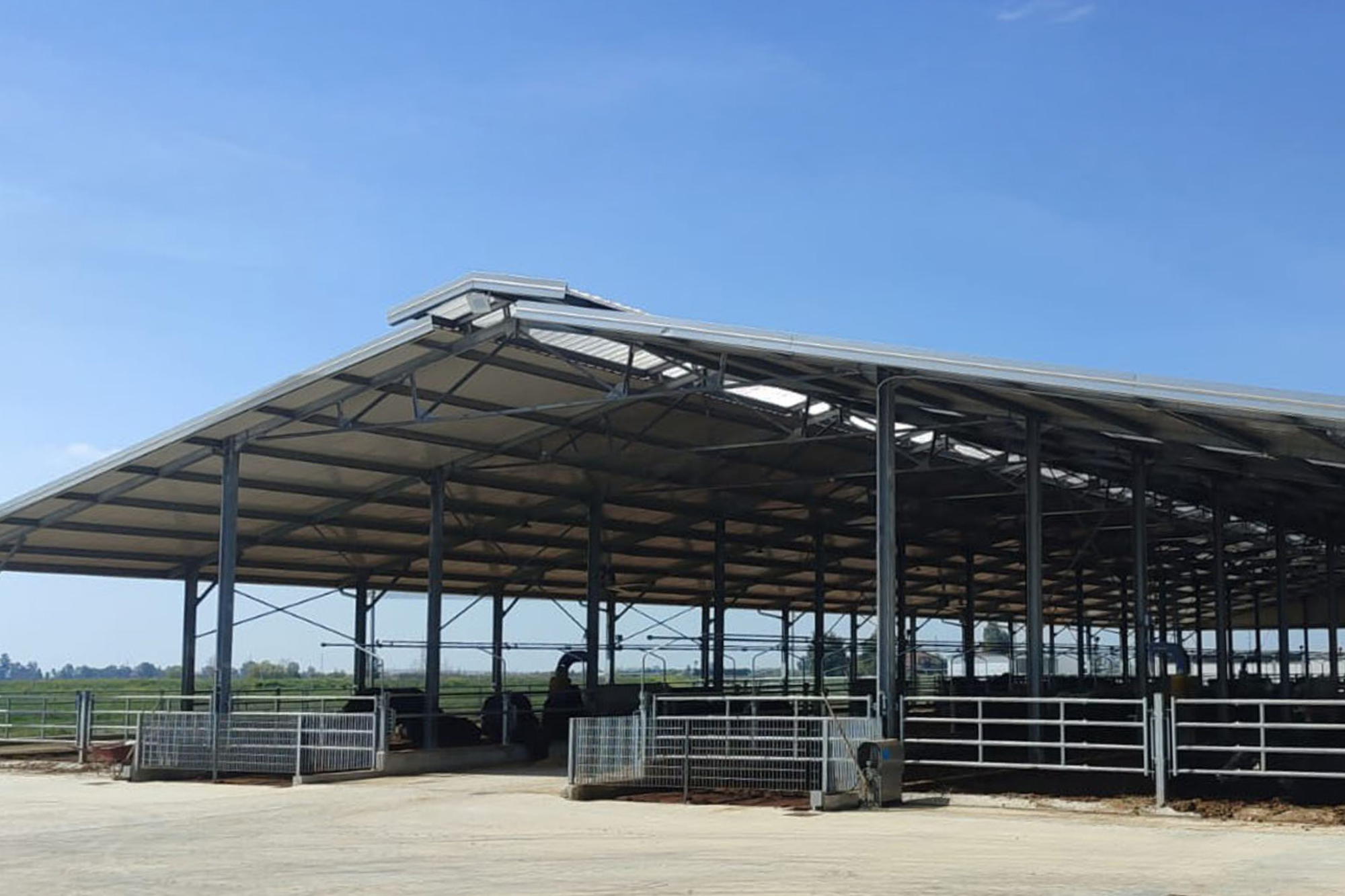
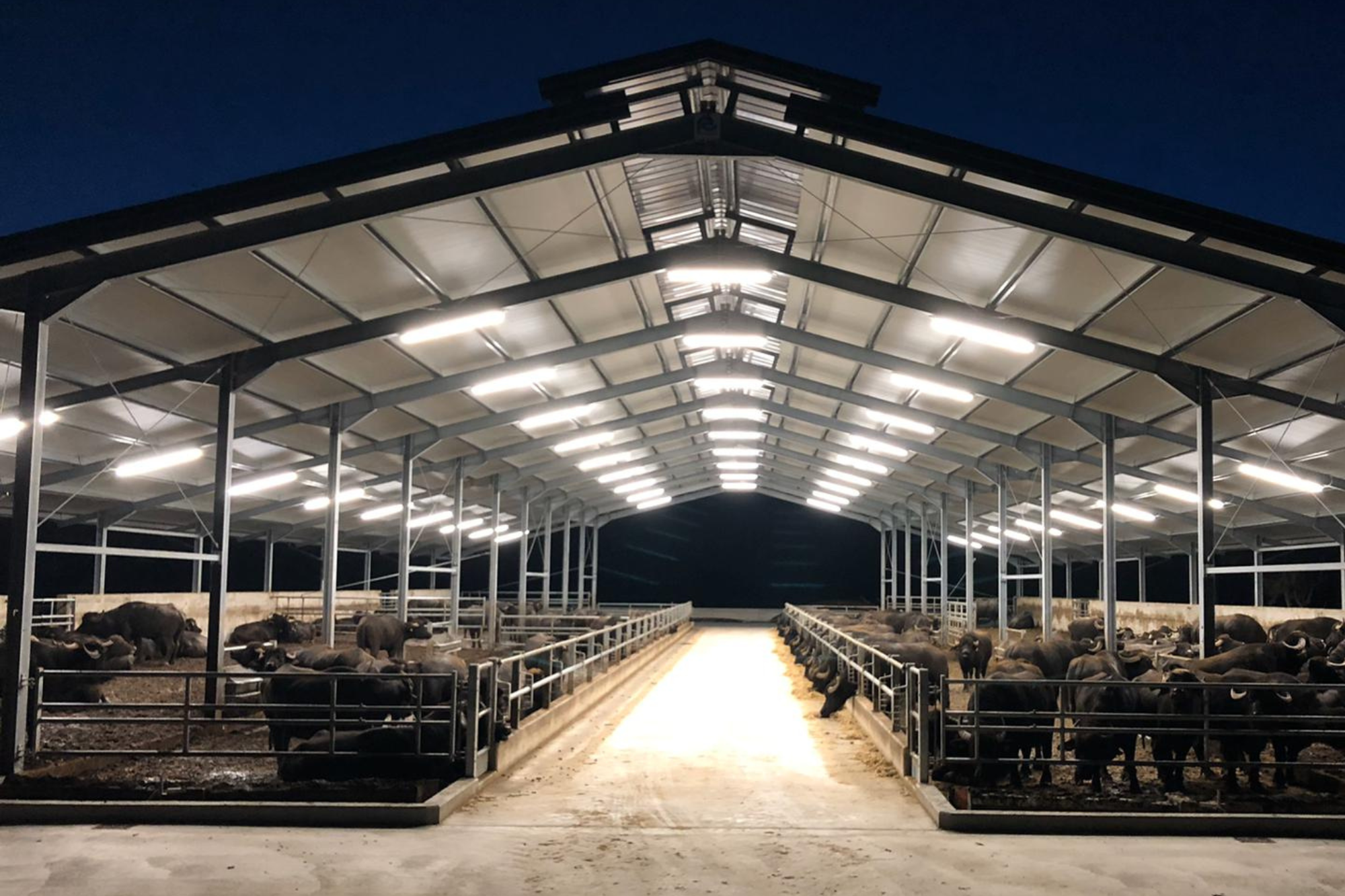
BUFFALOES
Buffalo breeding facilities
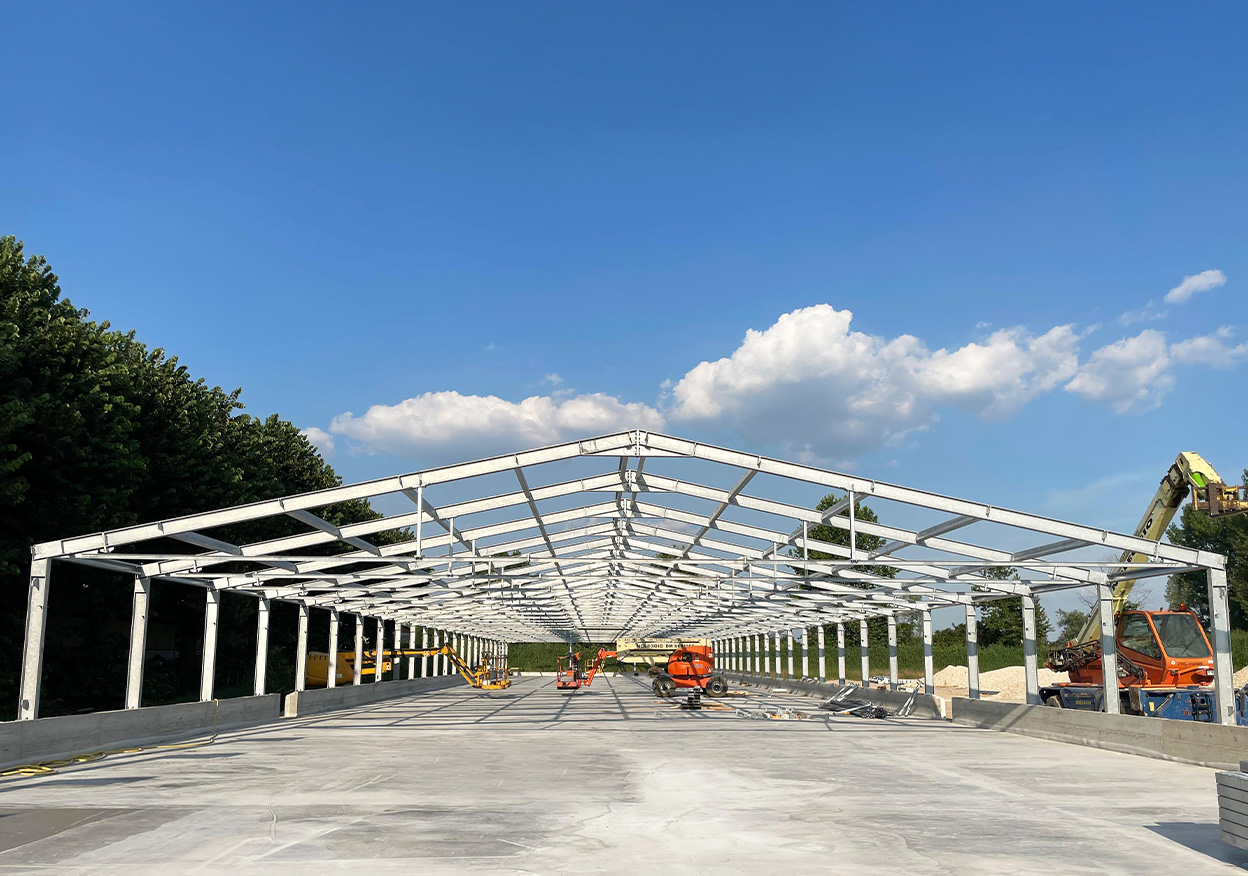
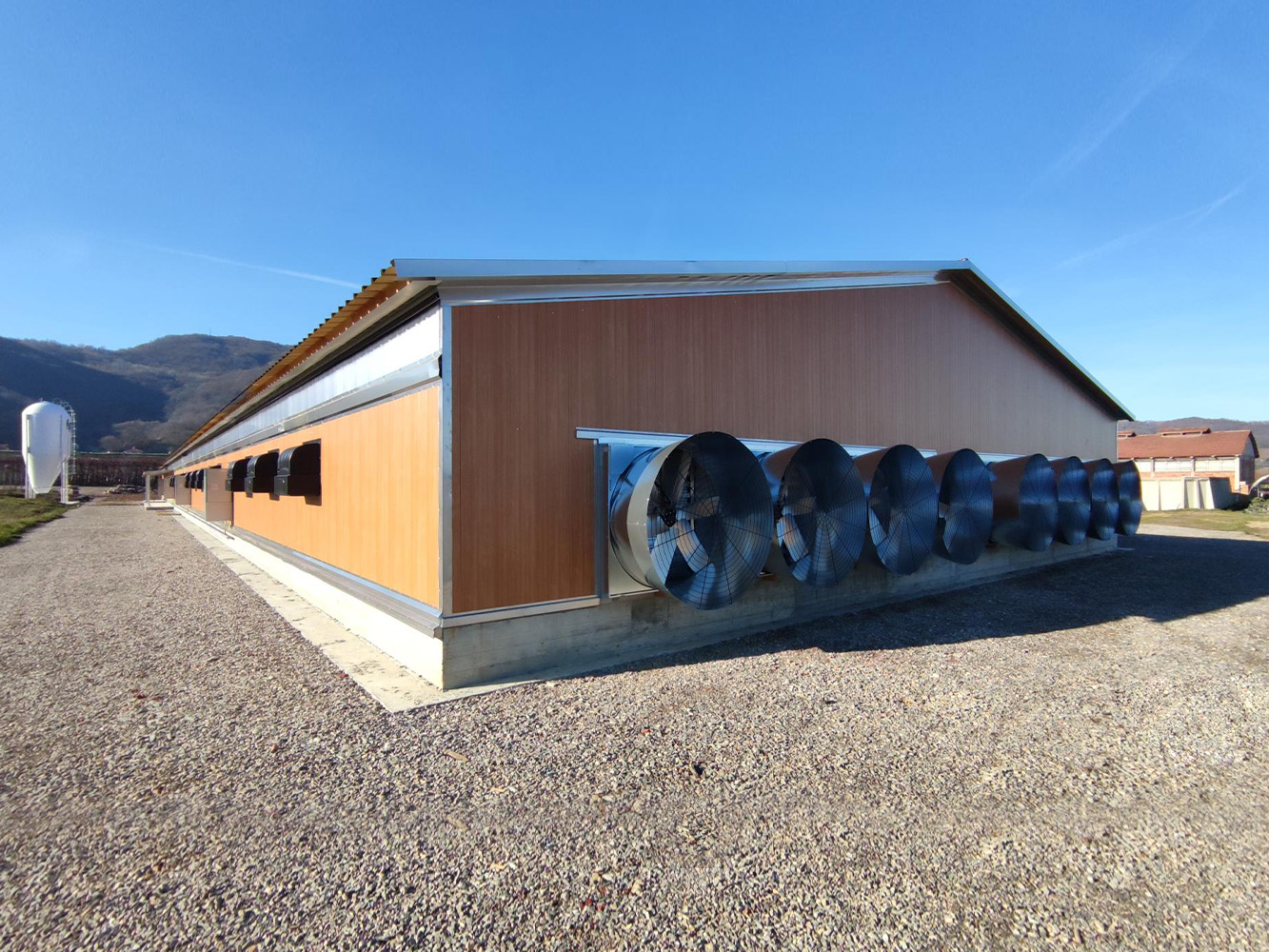
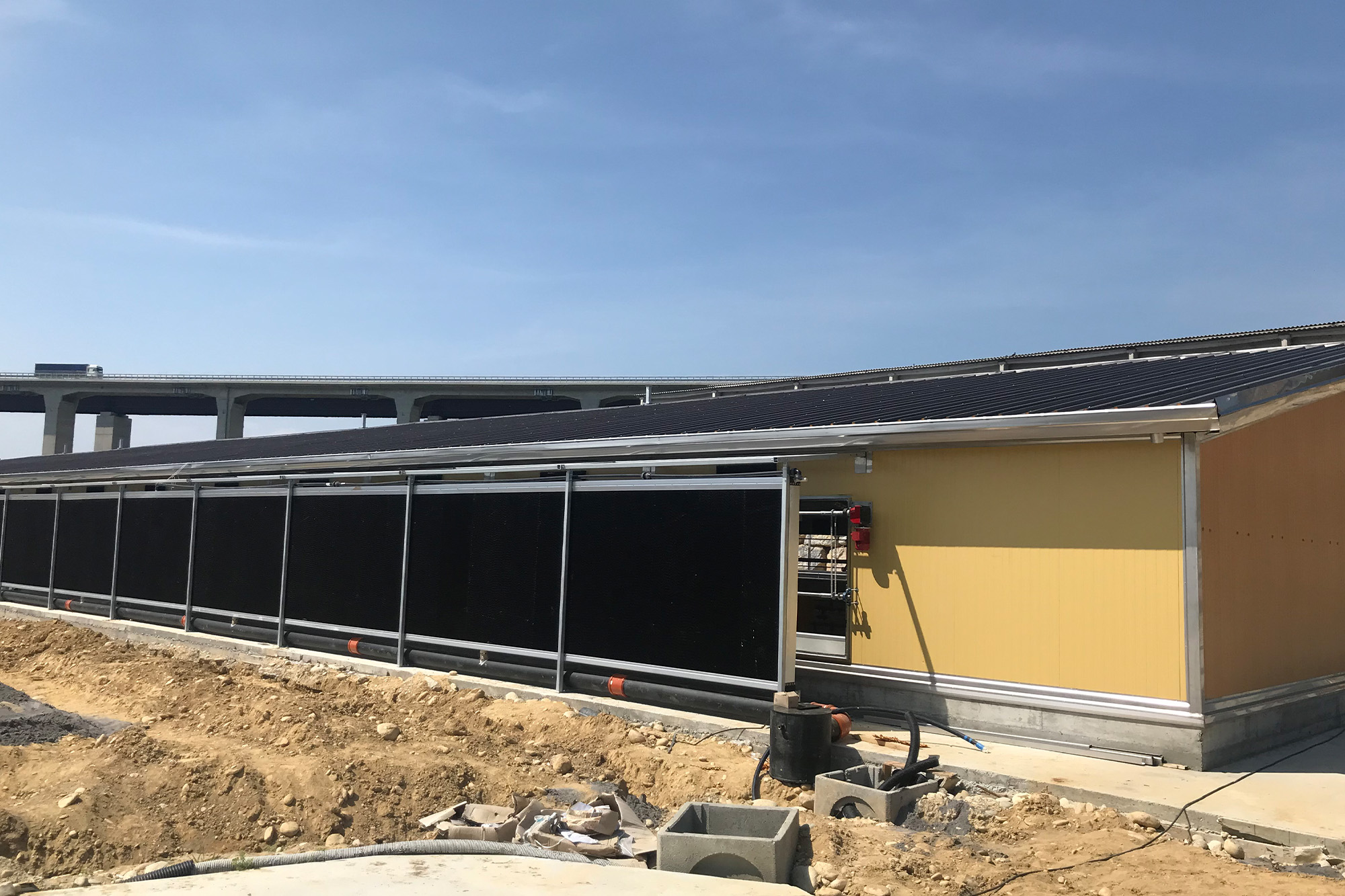
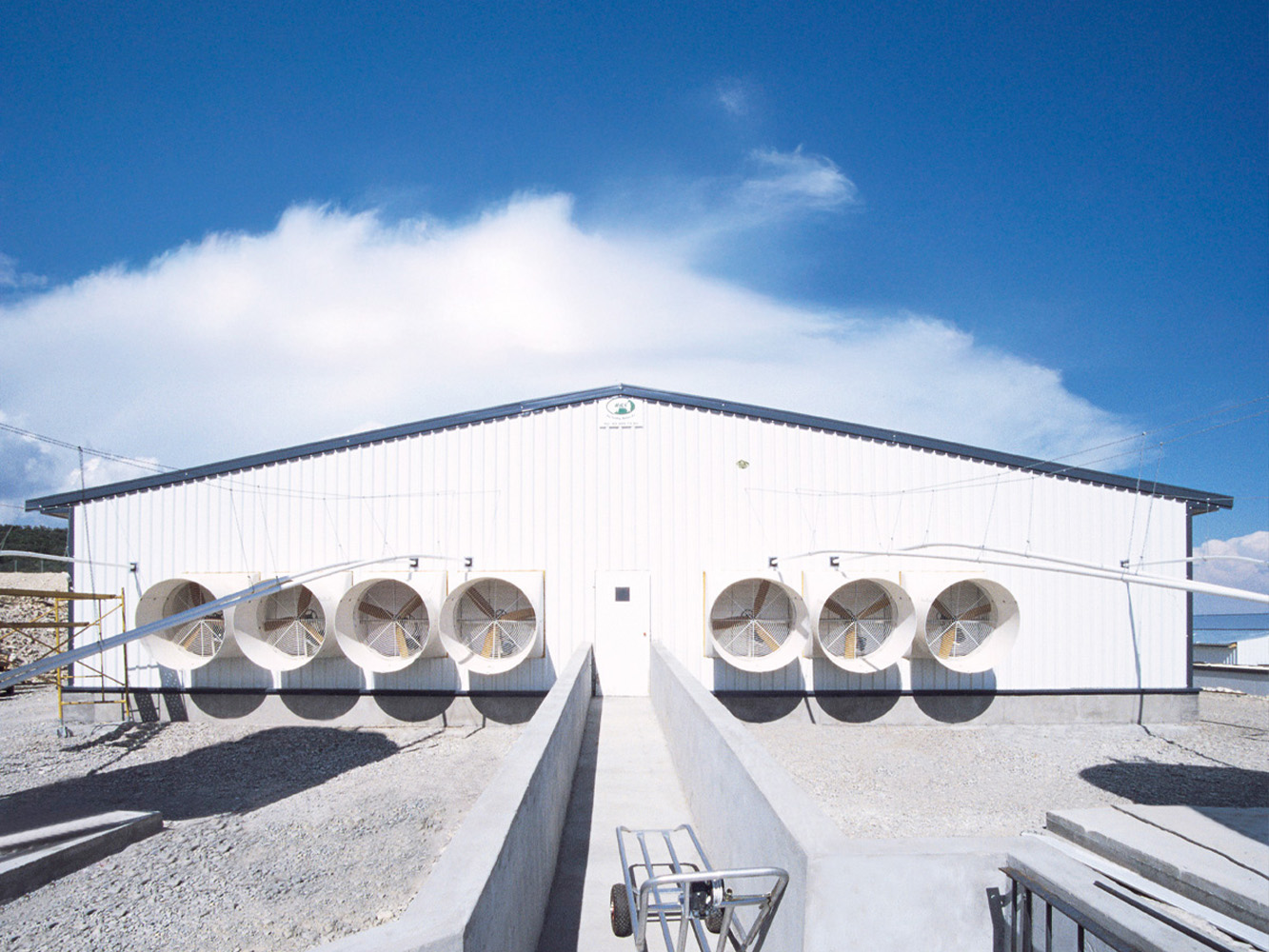
POULTRY
Facilities for broiler and layer farming
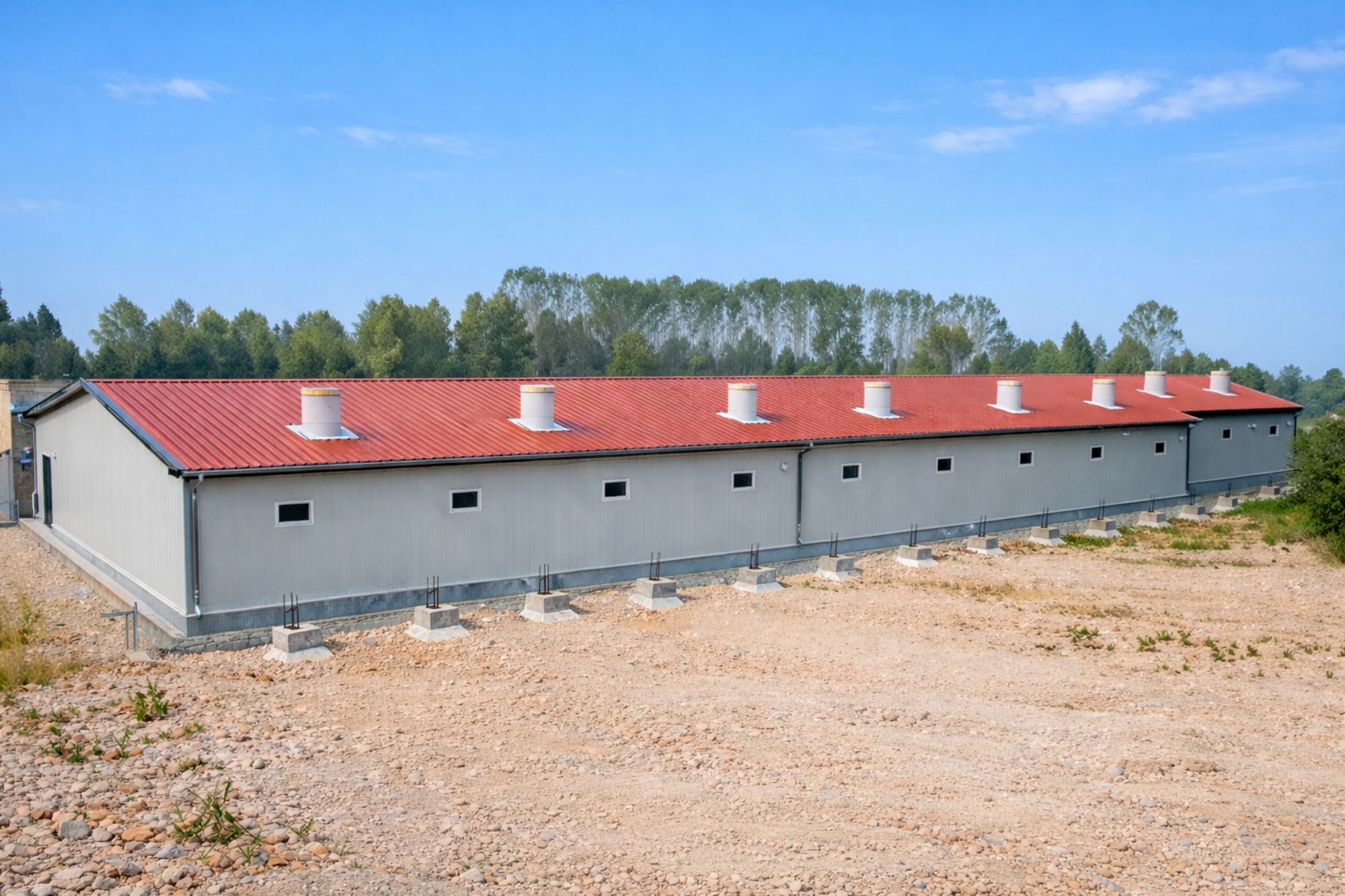
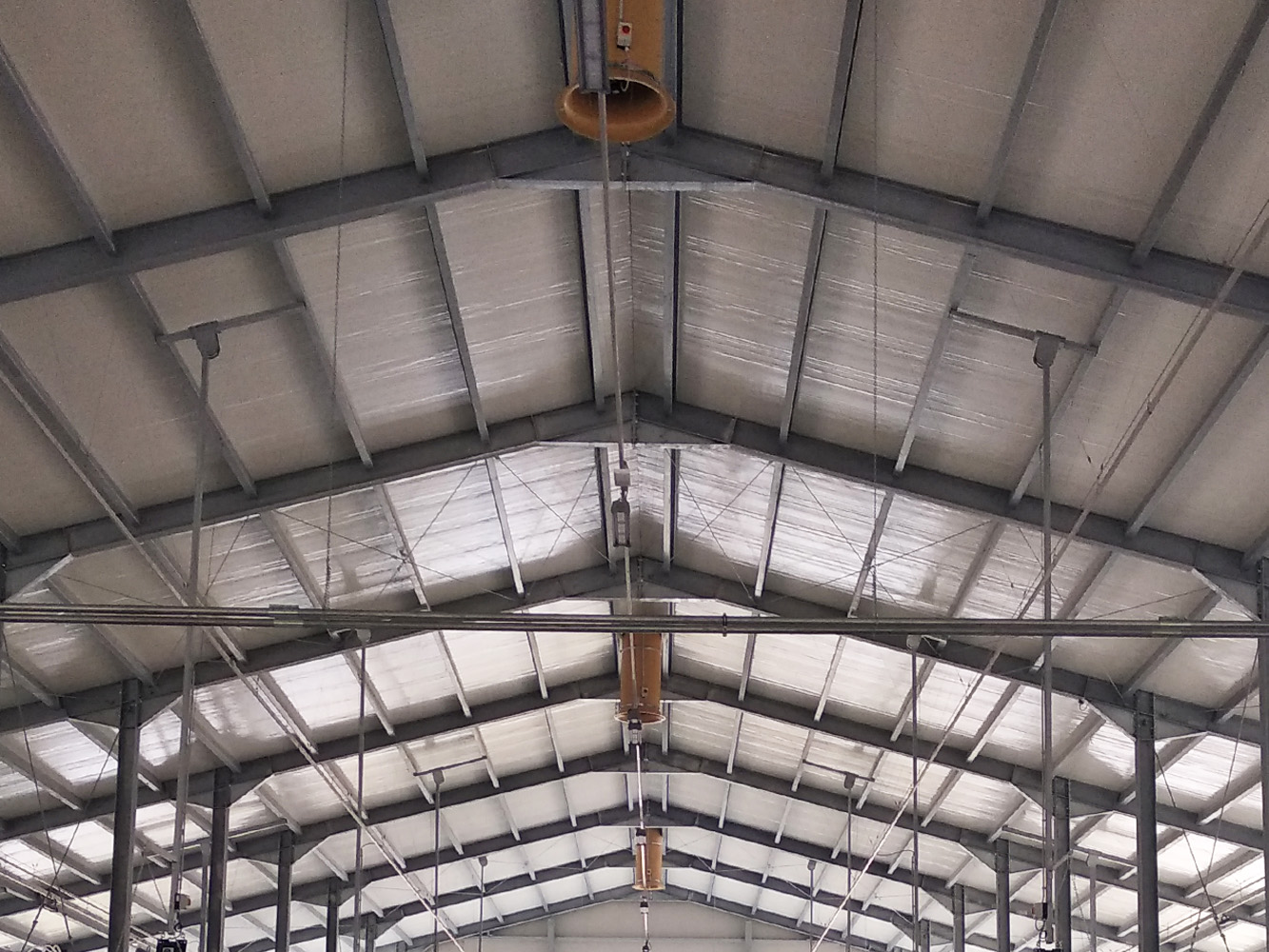
PIGS
Sties for the first and second stages of gestation, farrowing, weaning, and for the growing and fattening sectors
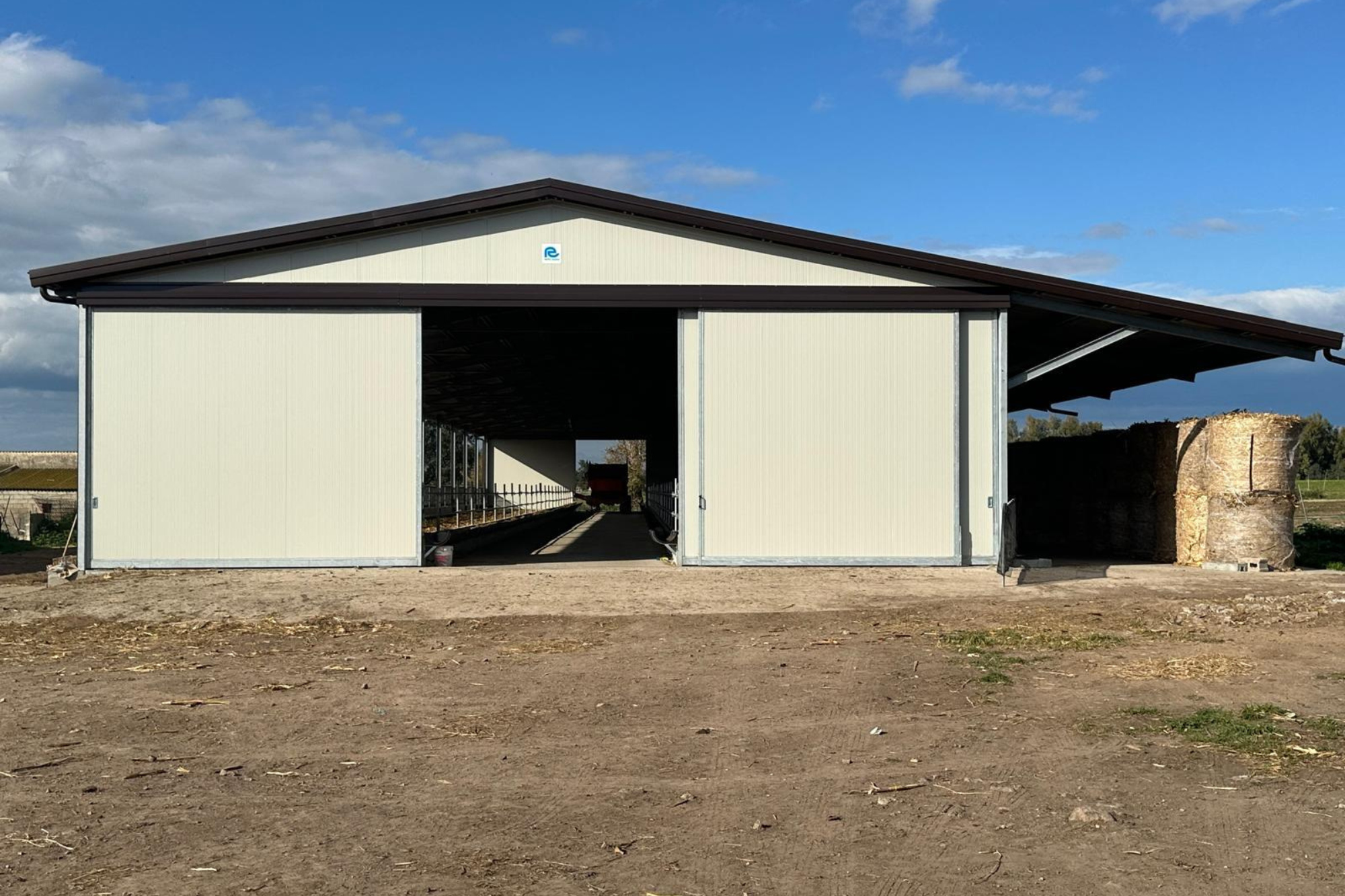
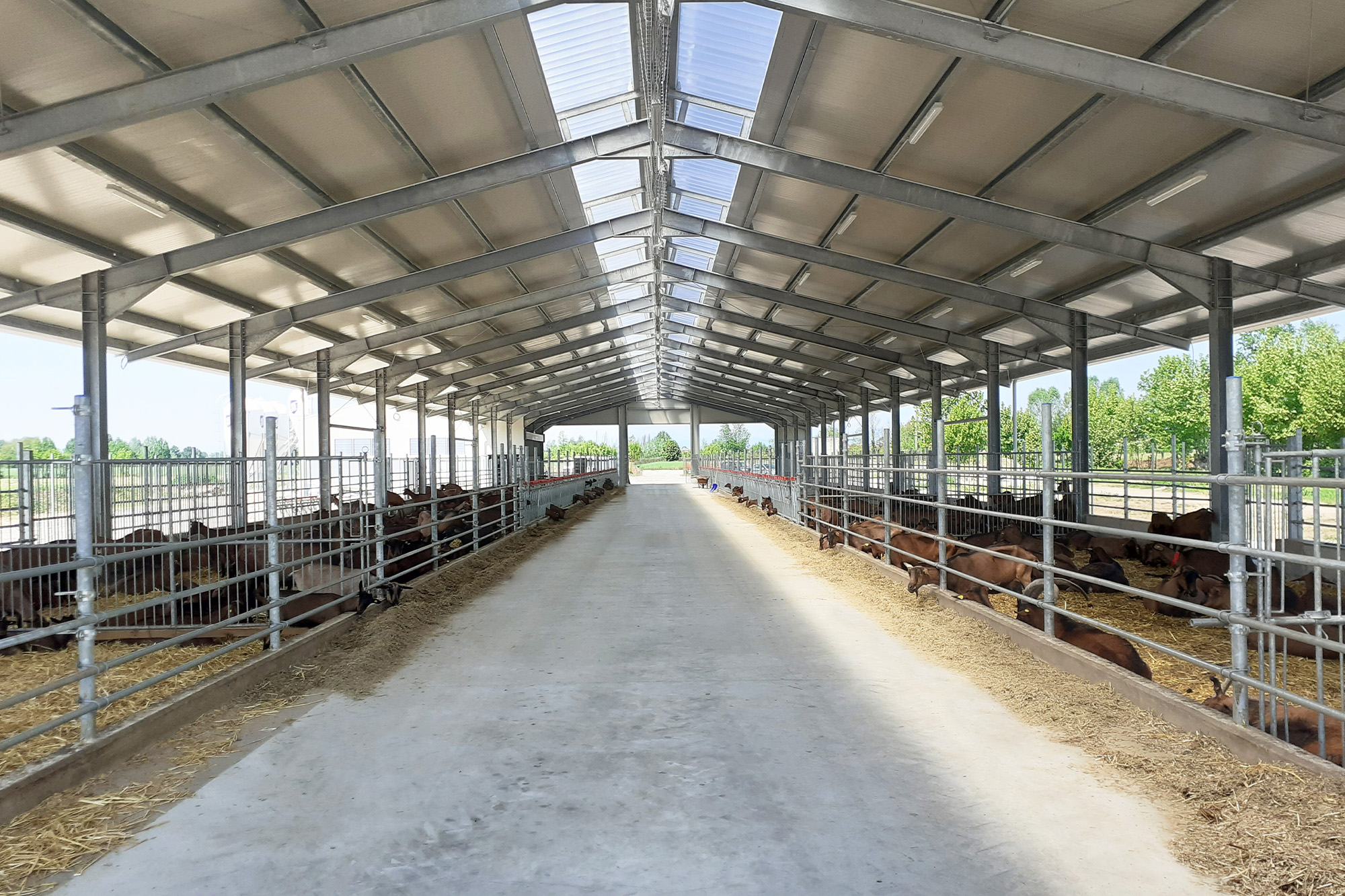
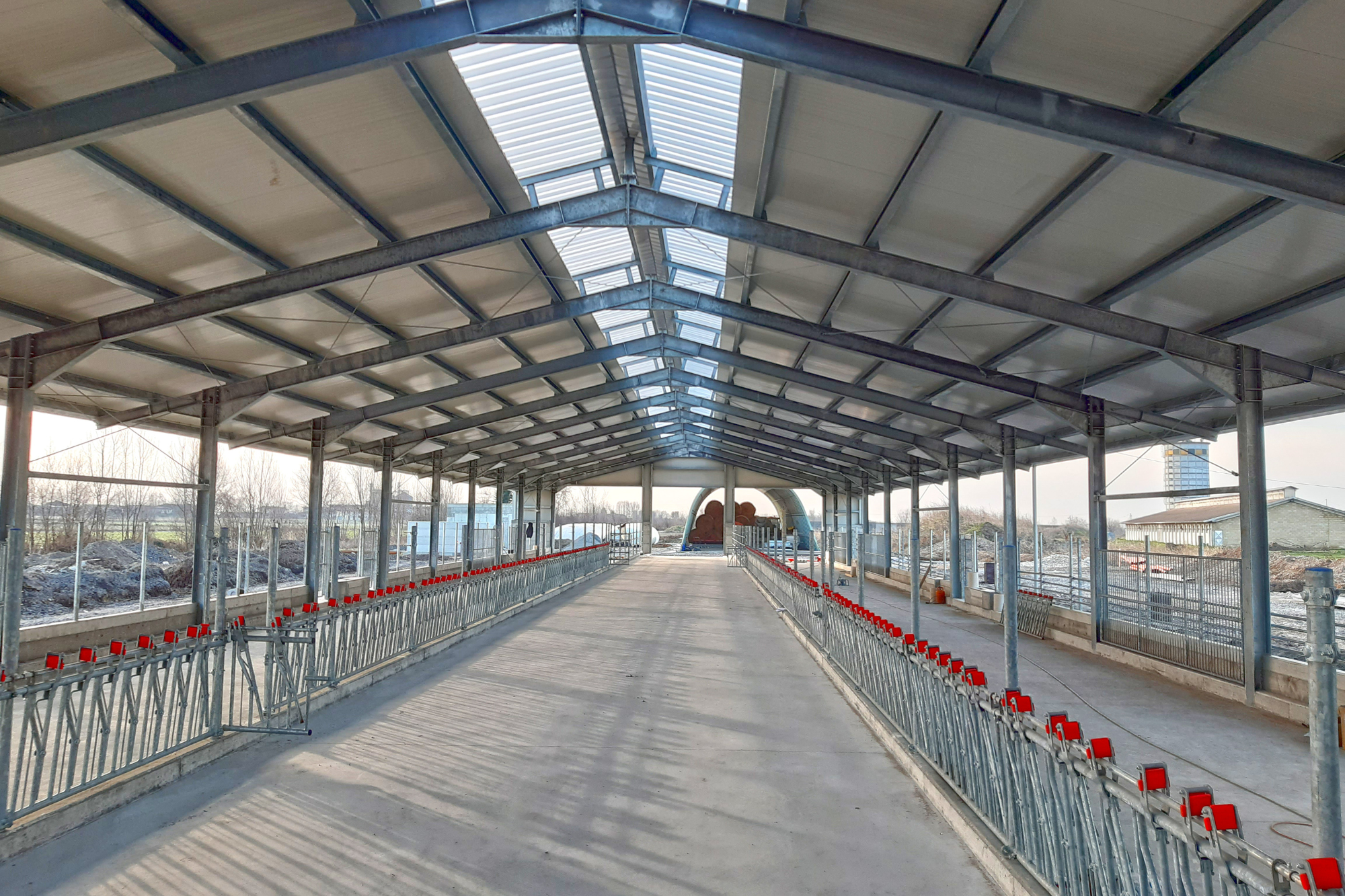
SHEEP, GOATS, RABBITS
Farming facilities and shelters
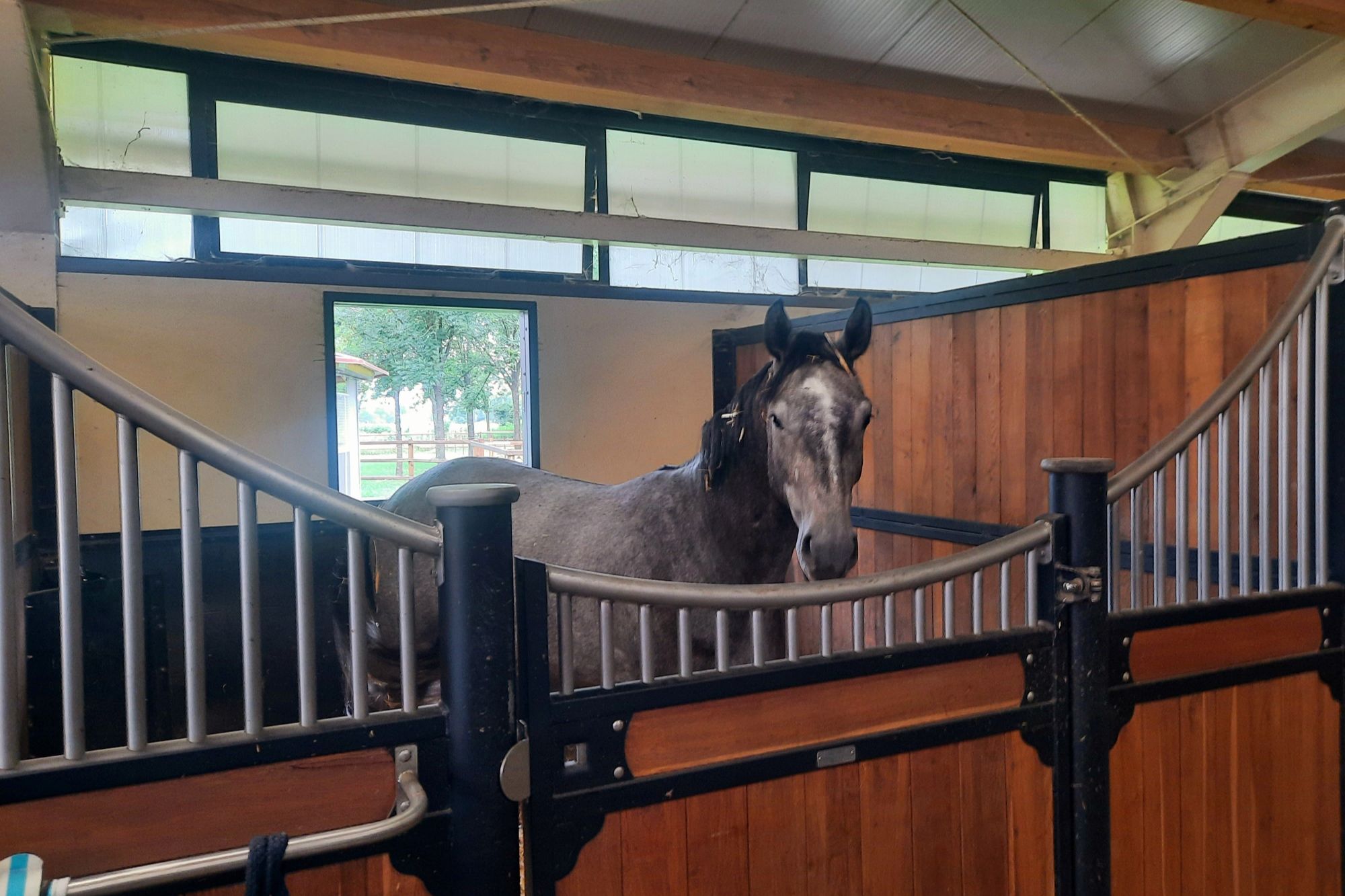
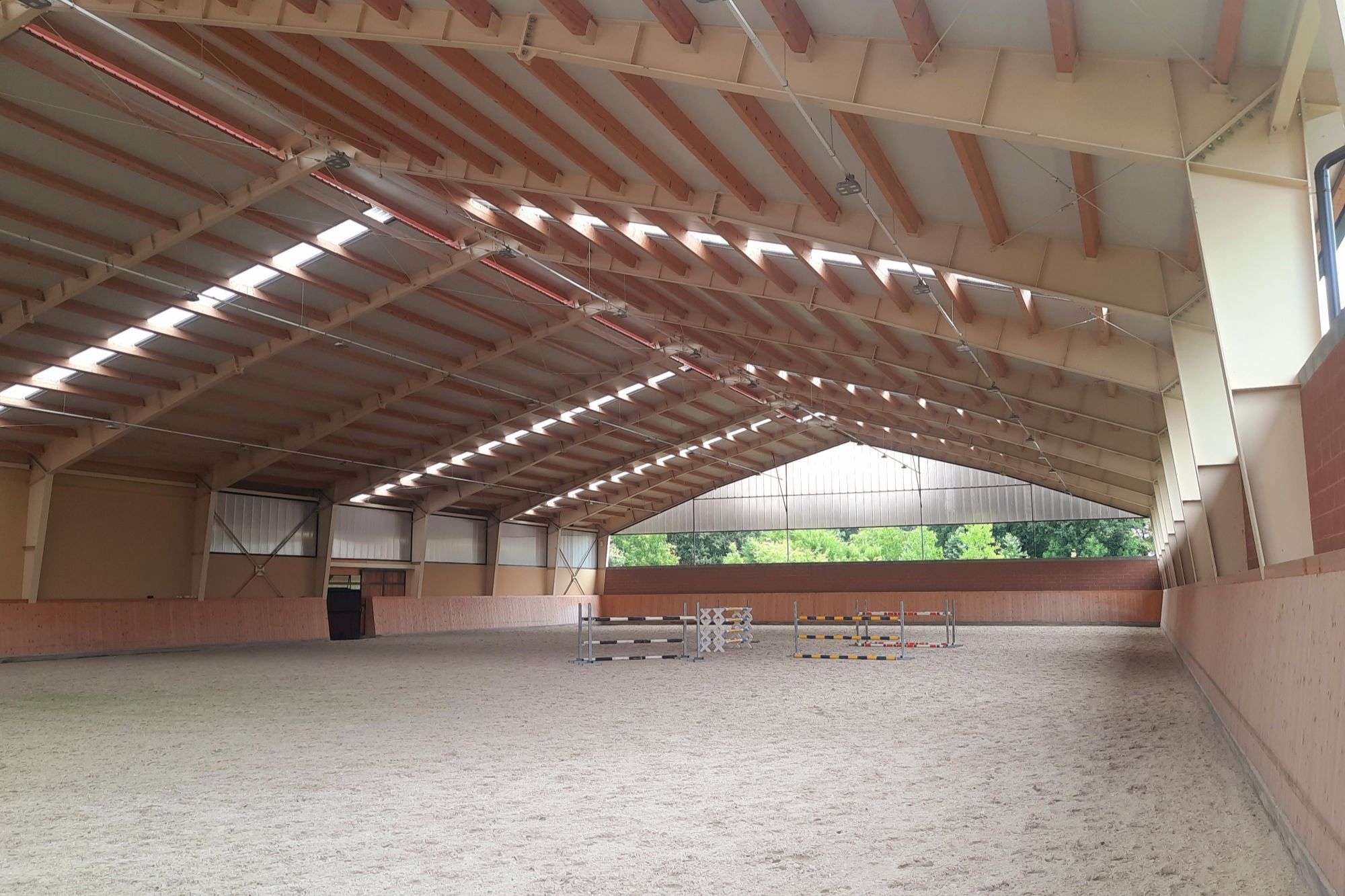
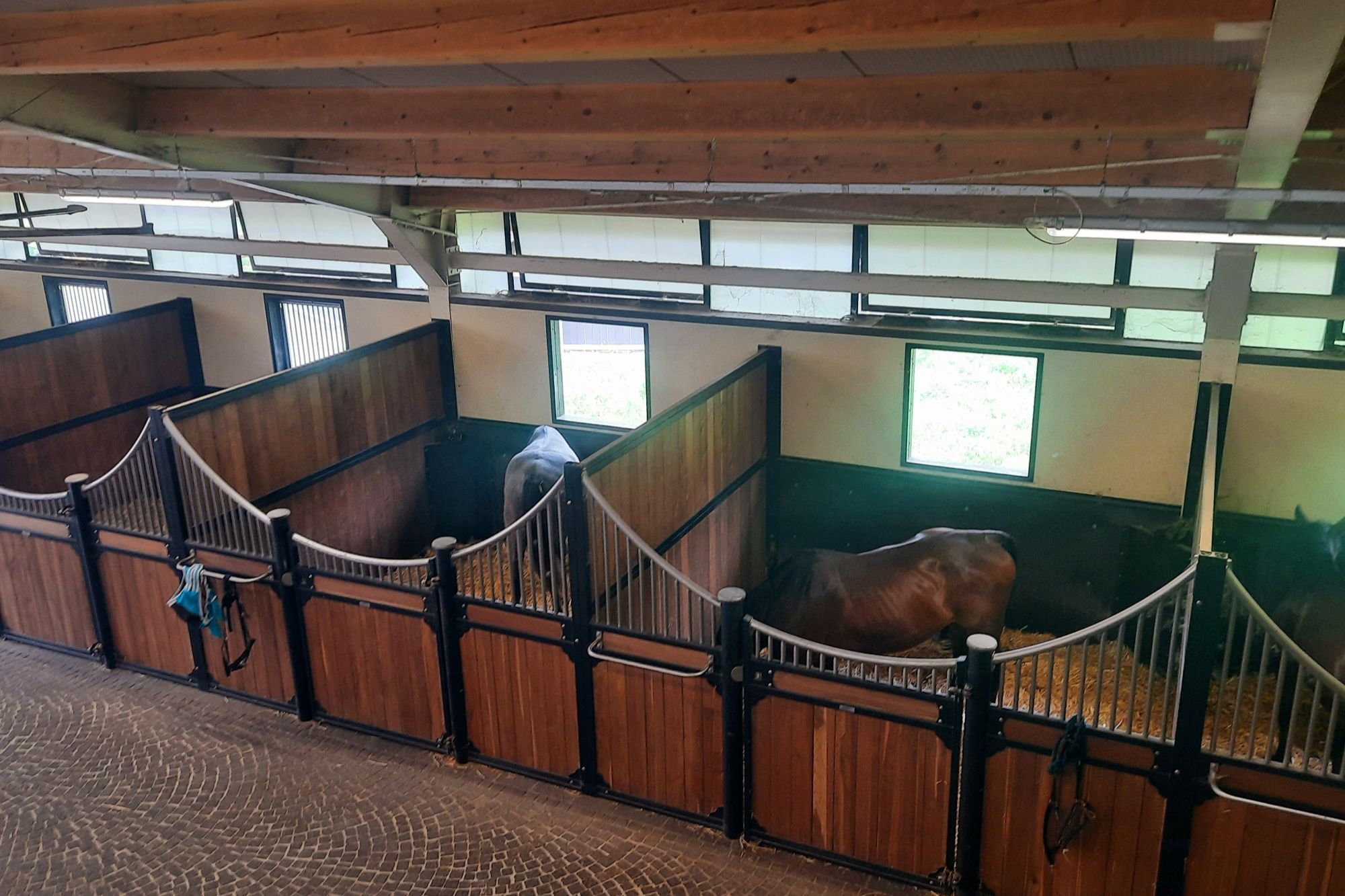
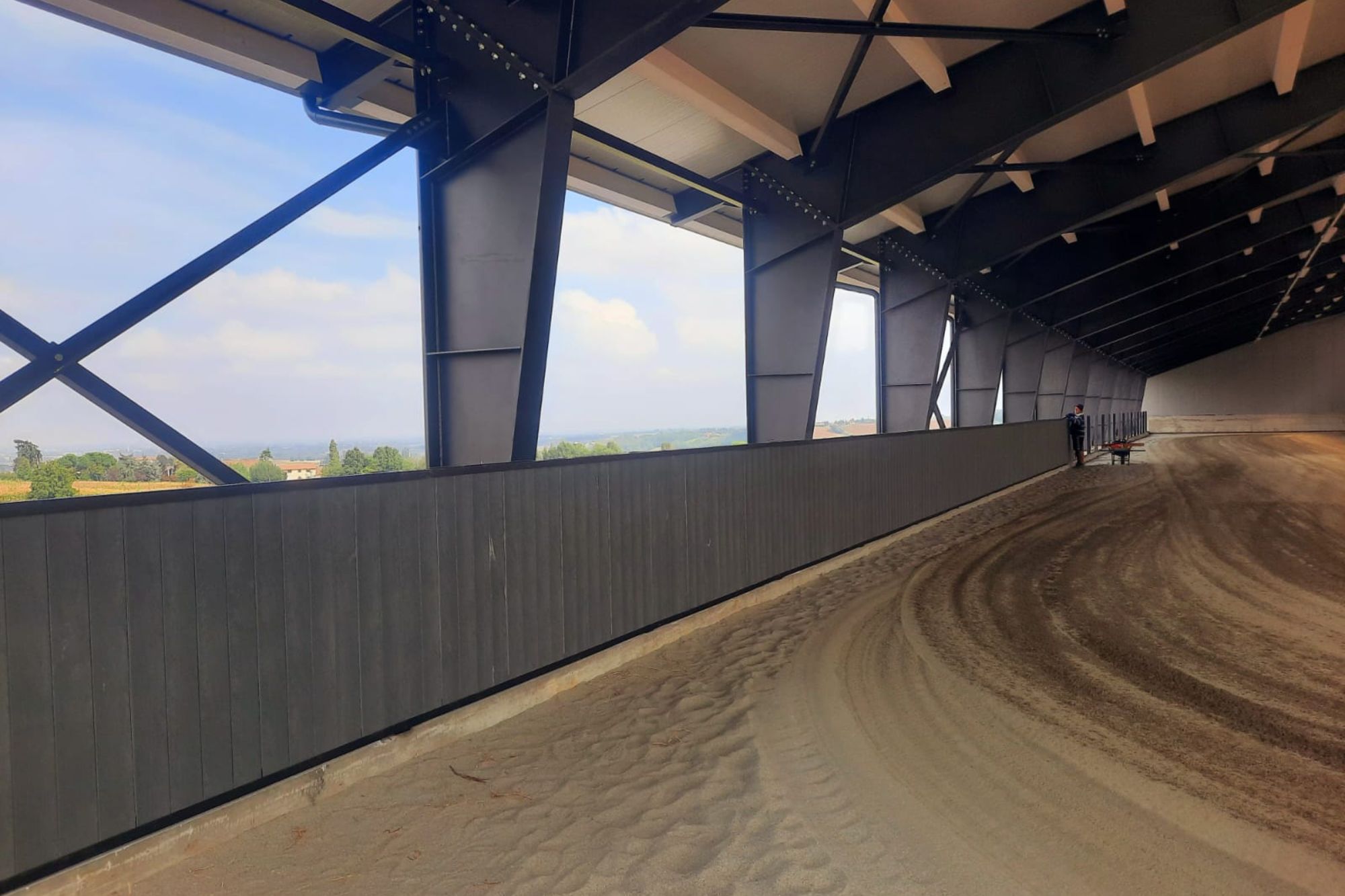
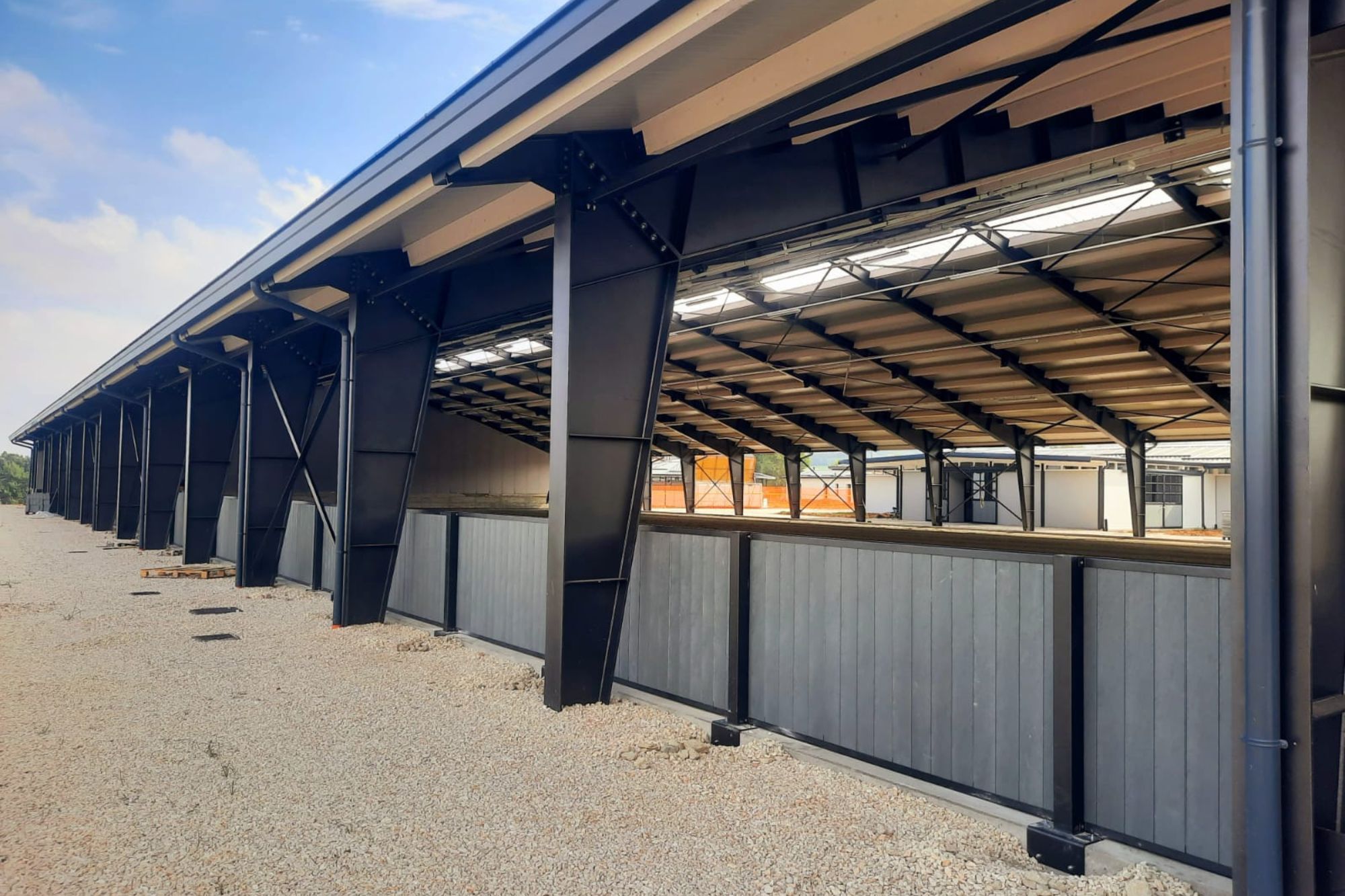
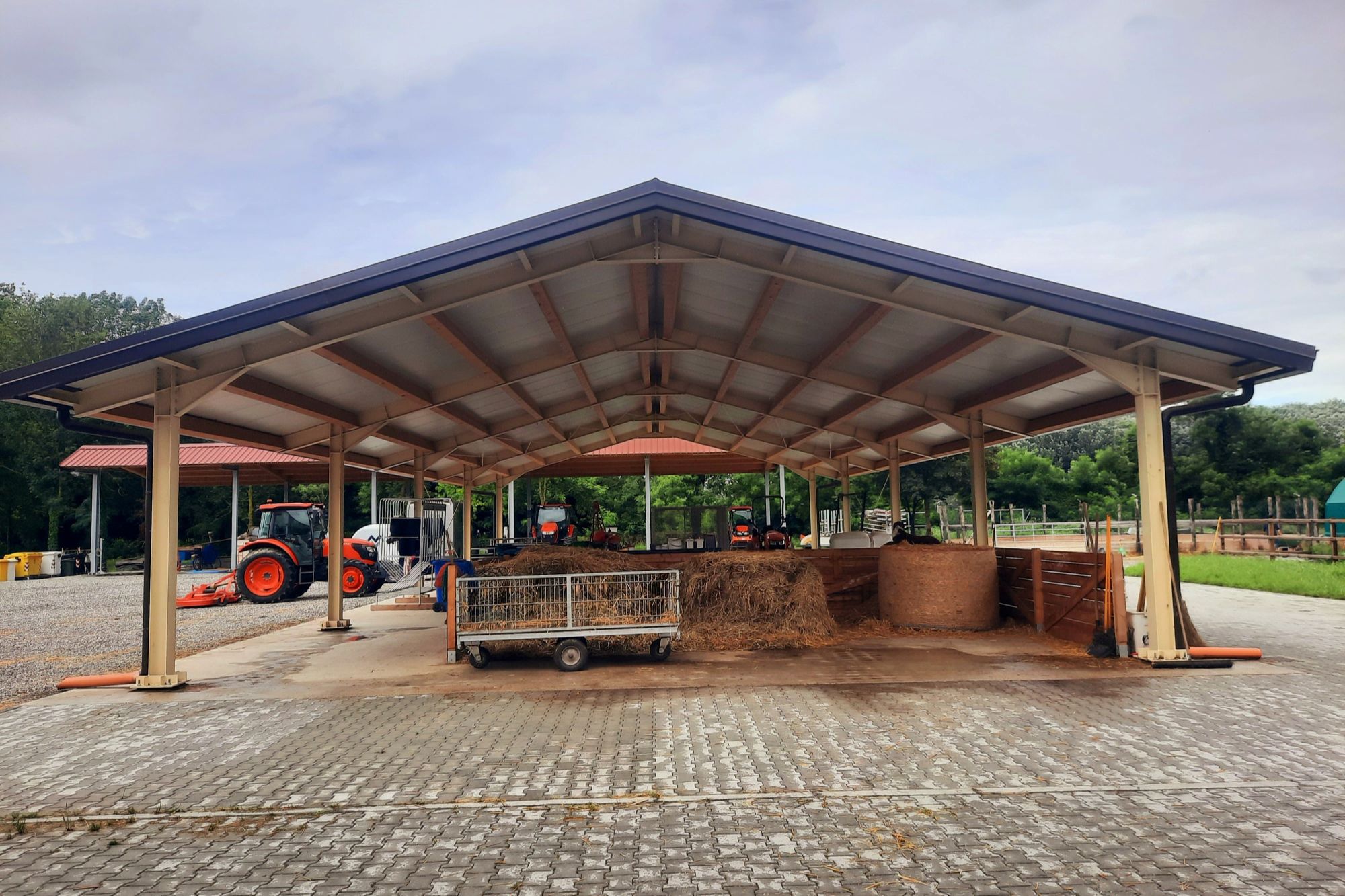
EQUINES
Stables, riding stables, and horse and donkey stables
Steel vs. PVC. Why choose steel?
Steel is 100% recyclable without any loss of quality: structures can be dismantled, reused, or reintroduced into the steel industry, contributing to a truly circular construction industry. PVC, on the other hand, requires complex end-of-life treatments, resulting in a greater environmental impact.
Rota Guido galvanized steel structures have a useful life of over 30 years, requiring little maintenance. They are resistant to environmental and mechanical stress and can be expanded. PVC roofing lasts an average of 10–20 years and requires more frequent maintenance.
Thanks to its thermal inertia and the ability to integrate ventilation, insulation, and photovoltaic systems, steel promotes a stable microclimate in the barn. Conversely, PVC can cause overheating and noise disturbance, compromising animal comfort.
A steel barn is designed to be efficient, orderly, and safe. It improves operational management and ensures more ergonomic environments. PVC structures, often temporary, do not meet the same functional standards.
Yes, because galvanized steel is easily washable and resistant to chemical or biological agents. PVC sheets, on the other hand, deteriorate more easily under UV rays, ammonia, or impacts, requiring more maintenance over time.
A steel structure is a capitalized asset that increases the value of a company over time. PVC coverings, while initially less expensive, are classified as temporary assets and lose value more quickly.
VARIOUS USE DESTINATIONS
Industrial Structures
Solutions designed to ensure functionality, durability, and high operational efficiency, adaptable to different production and logistics contexts, and seamlessly integrated with locking systems designed and installed by Rota Guido.
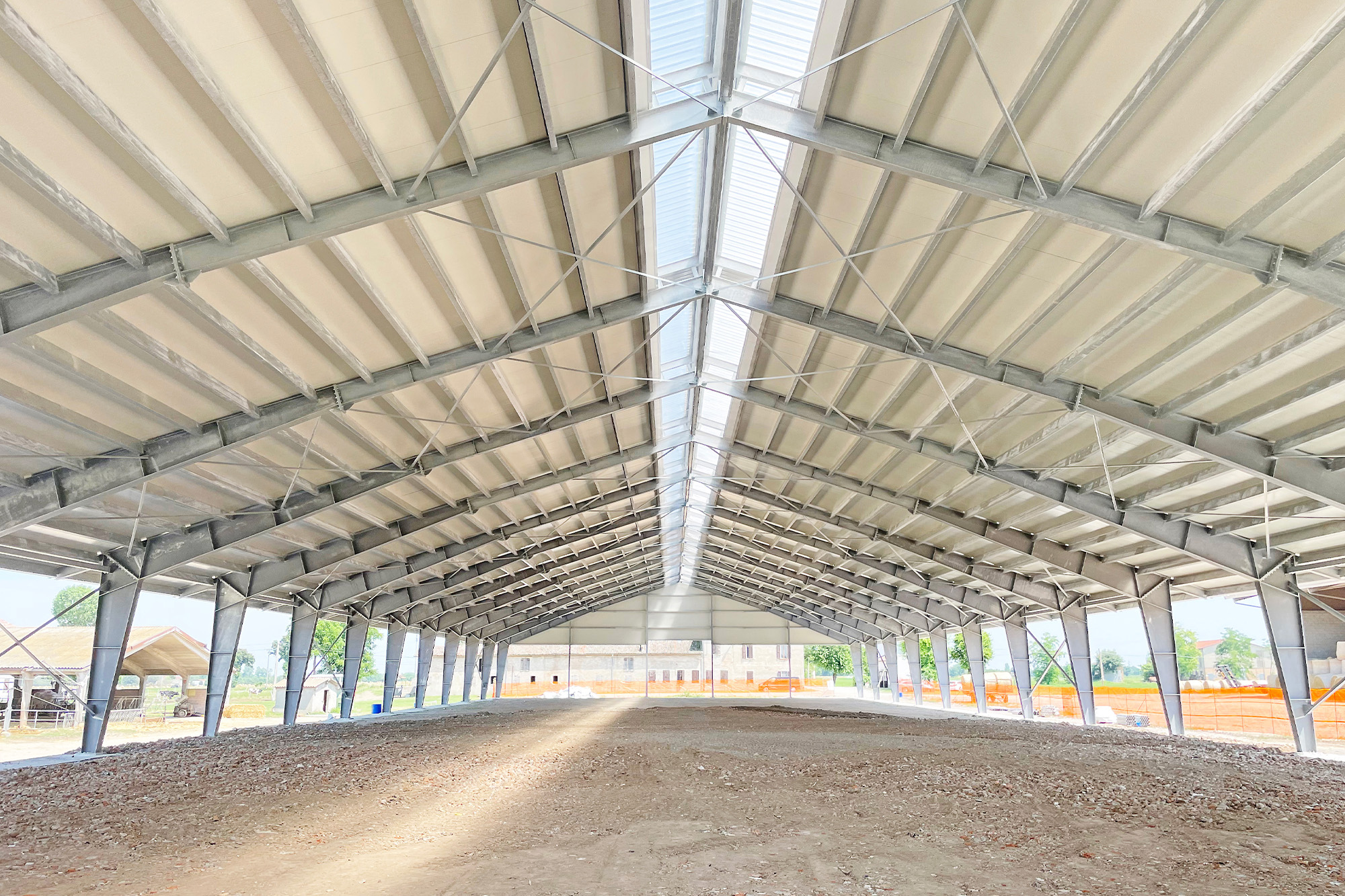
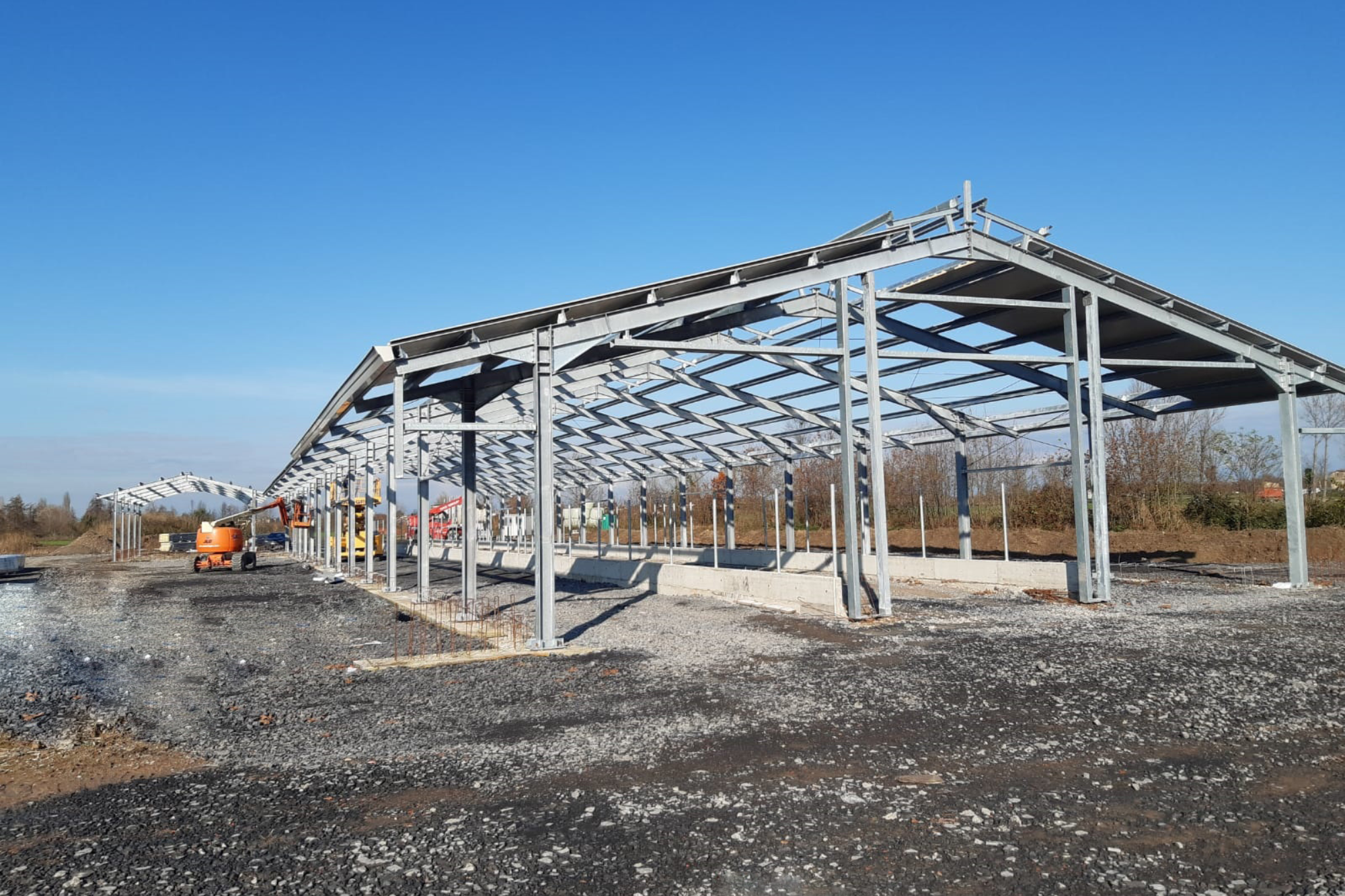
SELF-SUPPORTING STRUCTURES
3-Hinged Arch
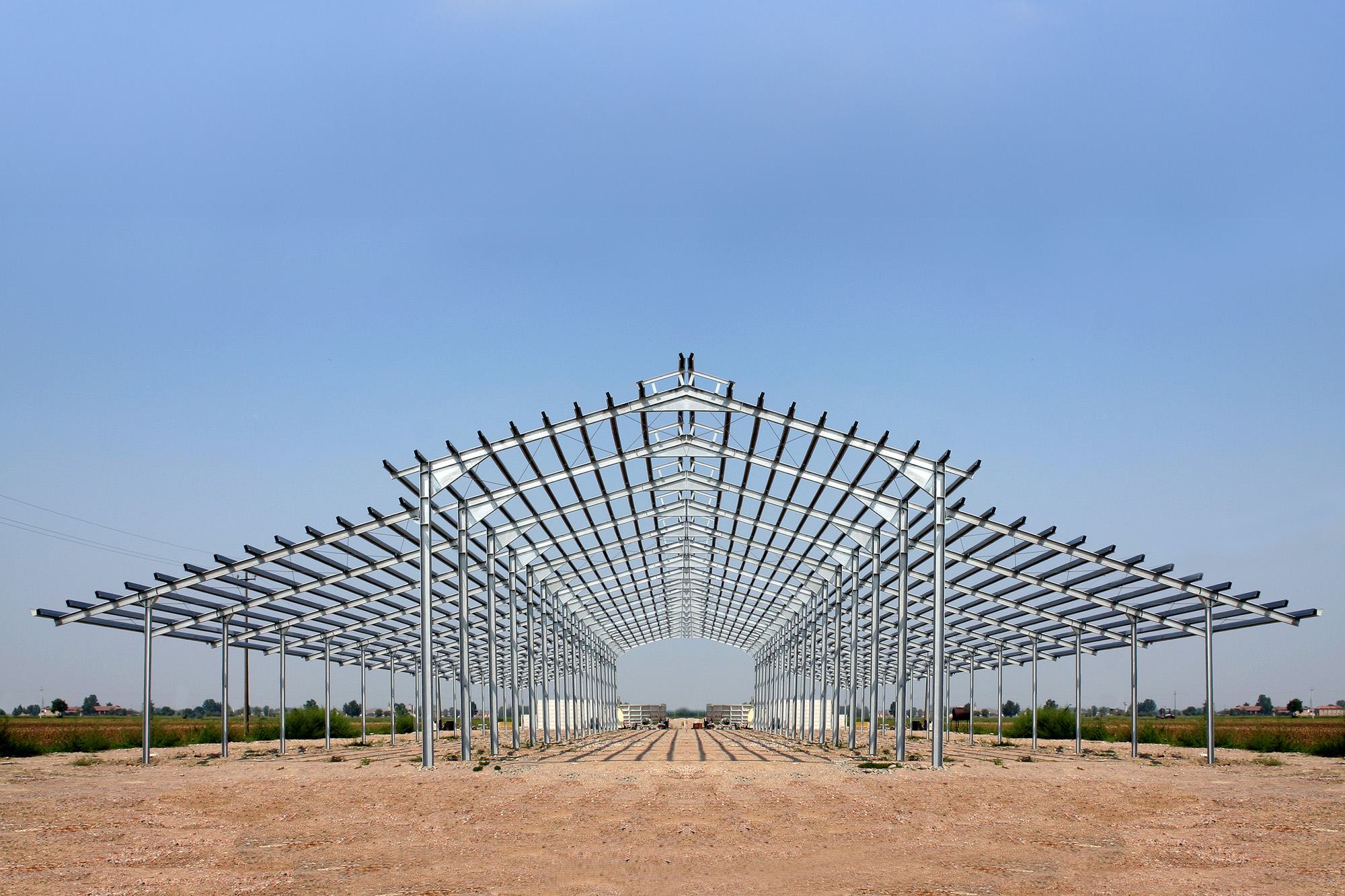
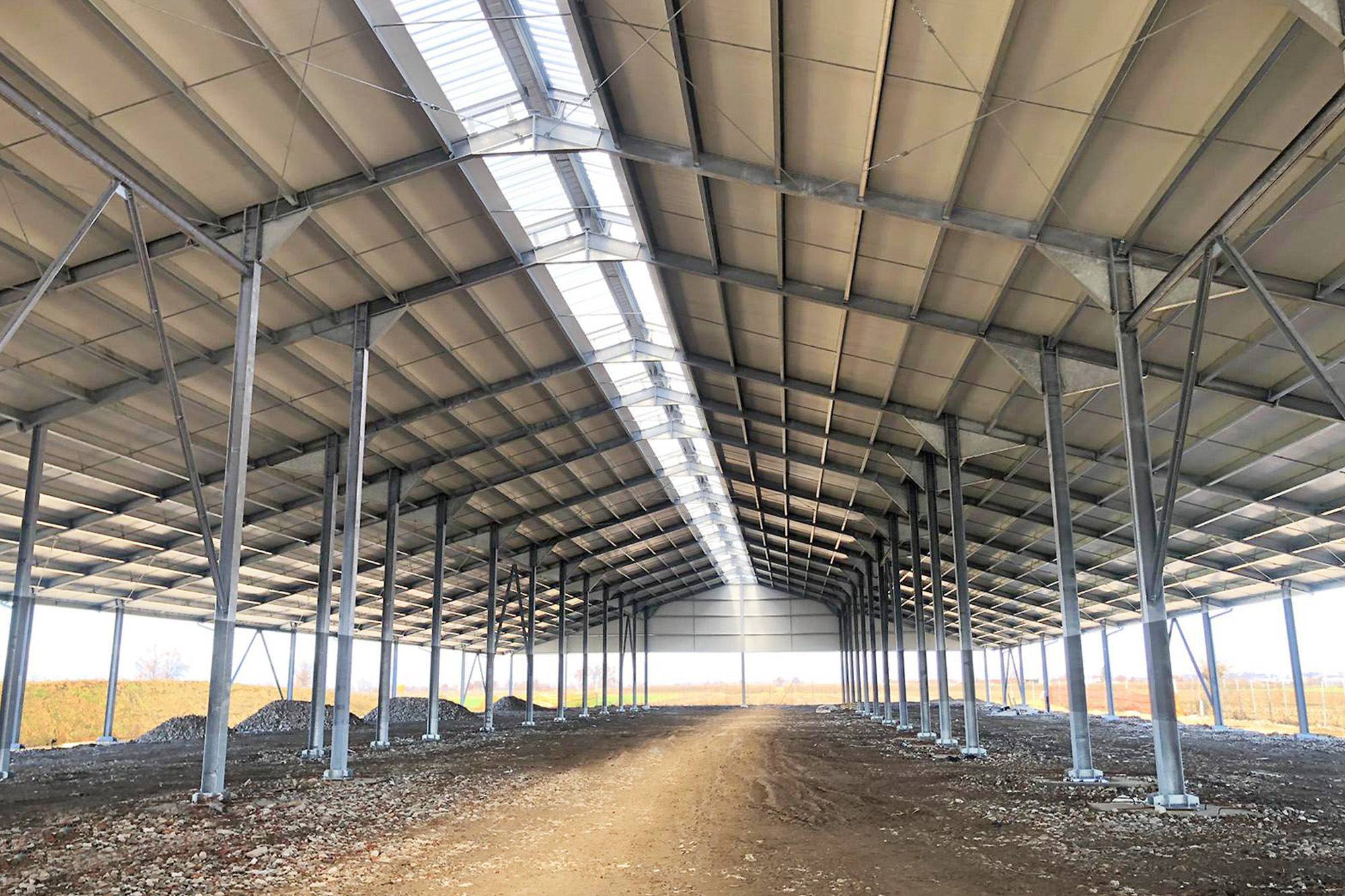
STRUCTURES FOR MAXIMUM OPERATIONAL FREEDOM
Column structures
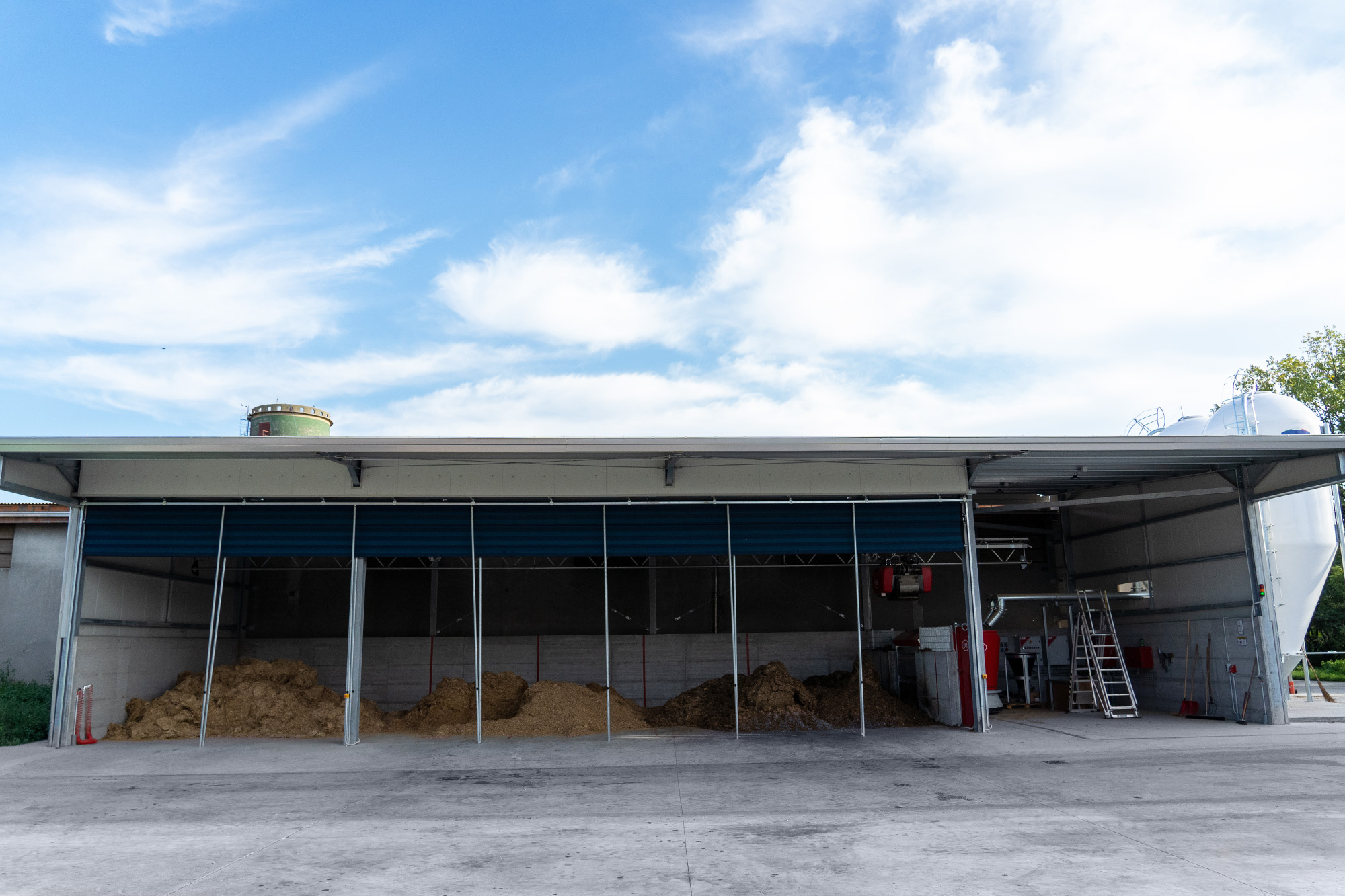
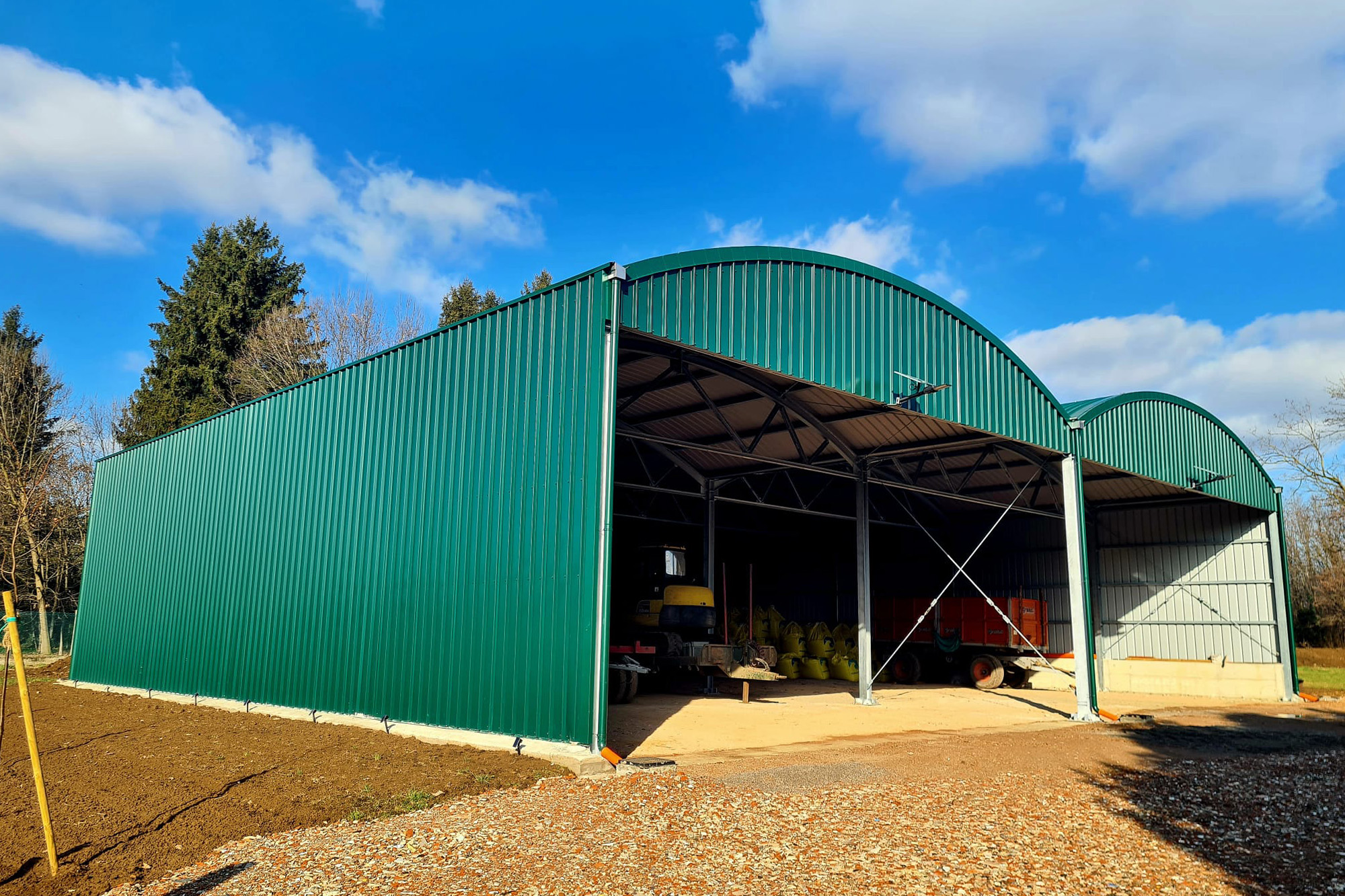
STORAGE FACILITIES
Barns and warehouses
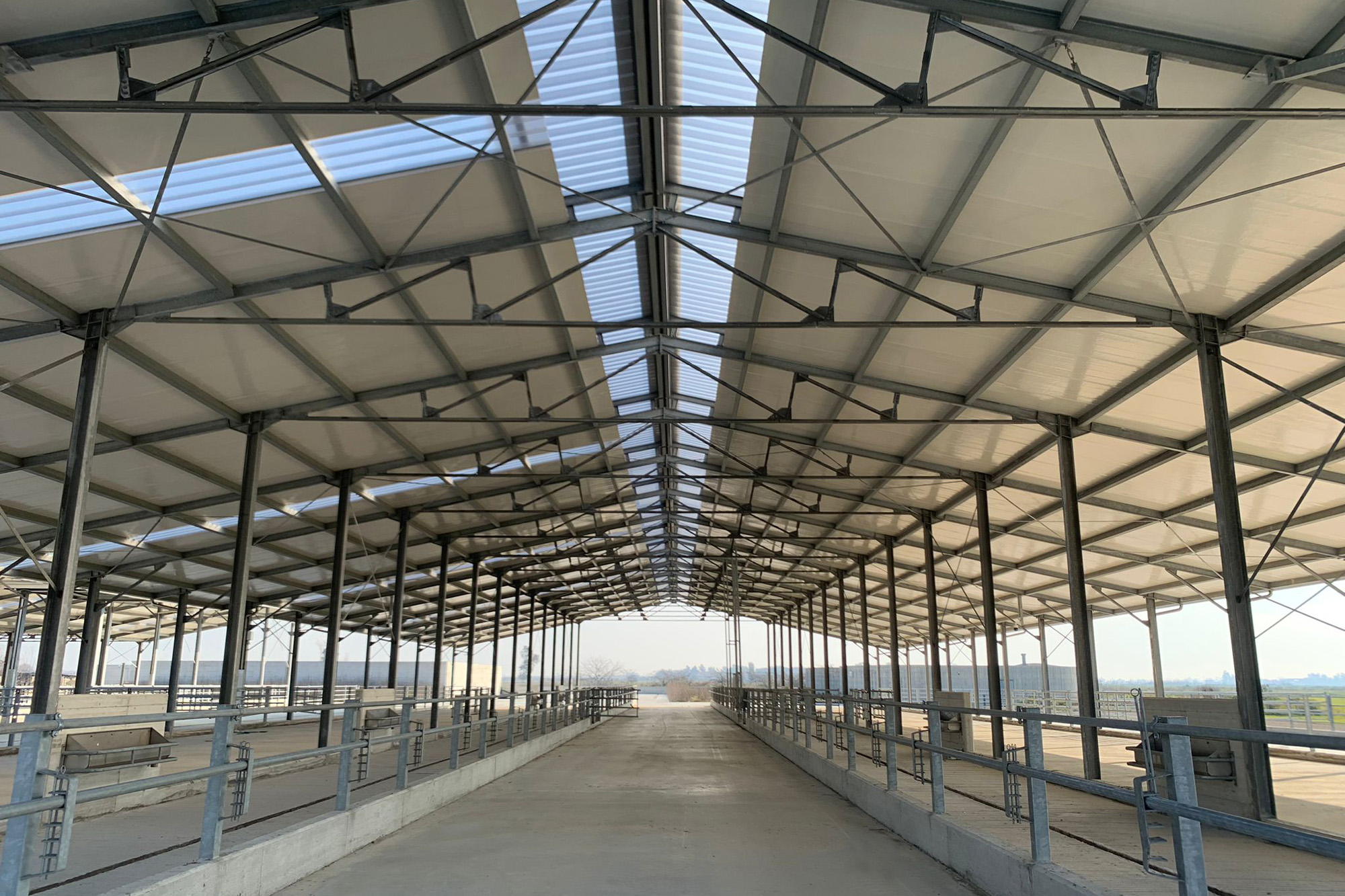
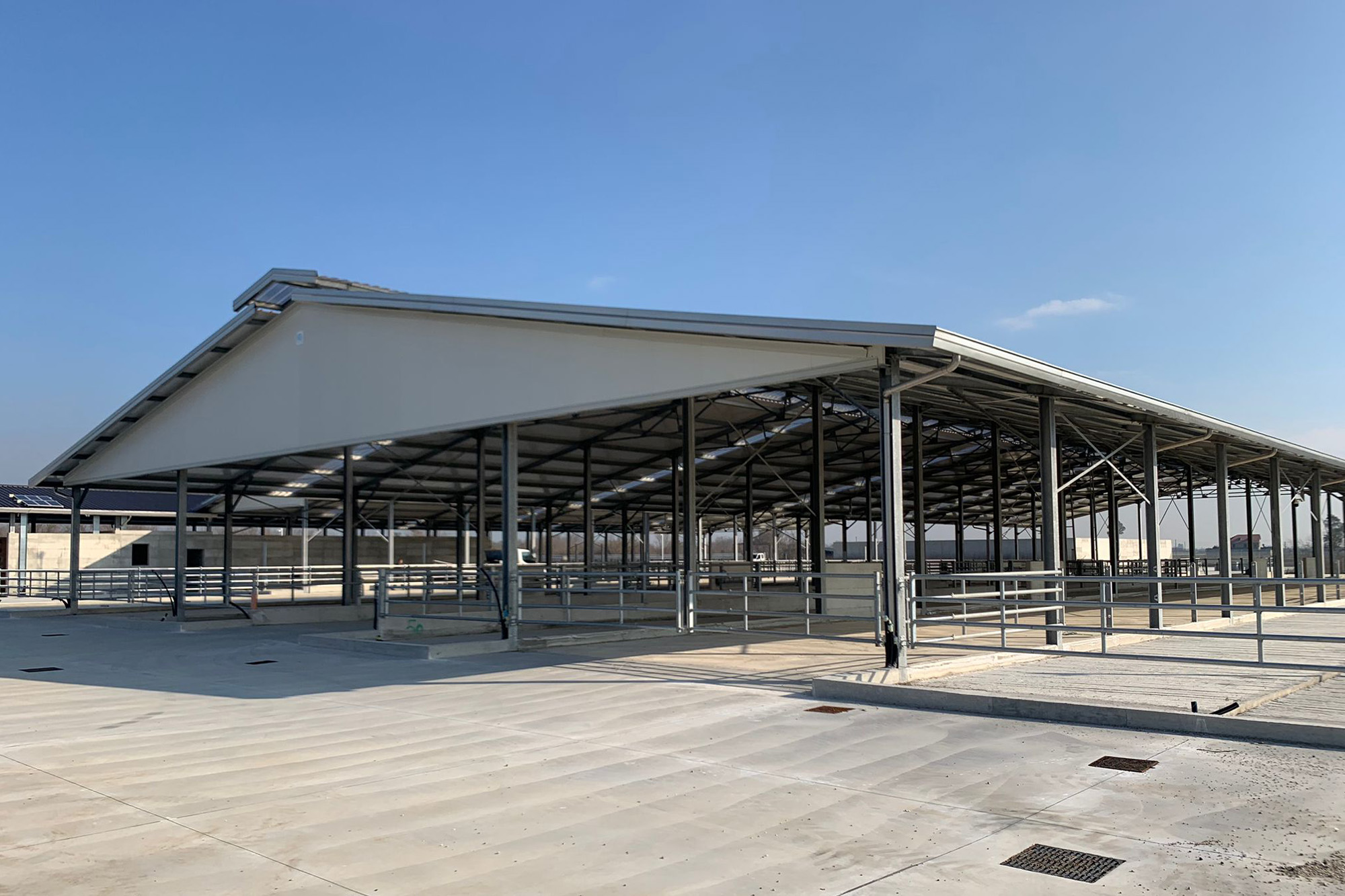
LIGHTWEIGHT AND EFFICIENT ROOF STRUCTURES
Structures with tie rods
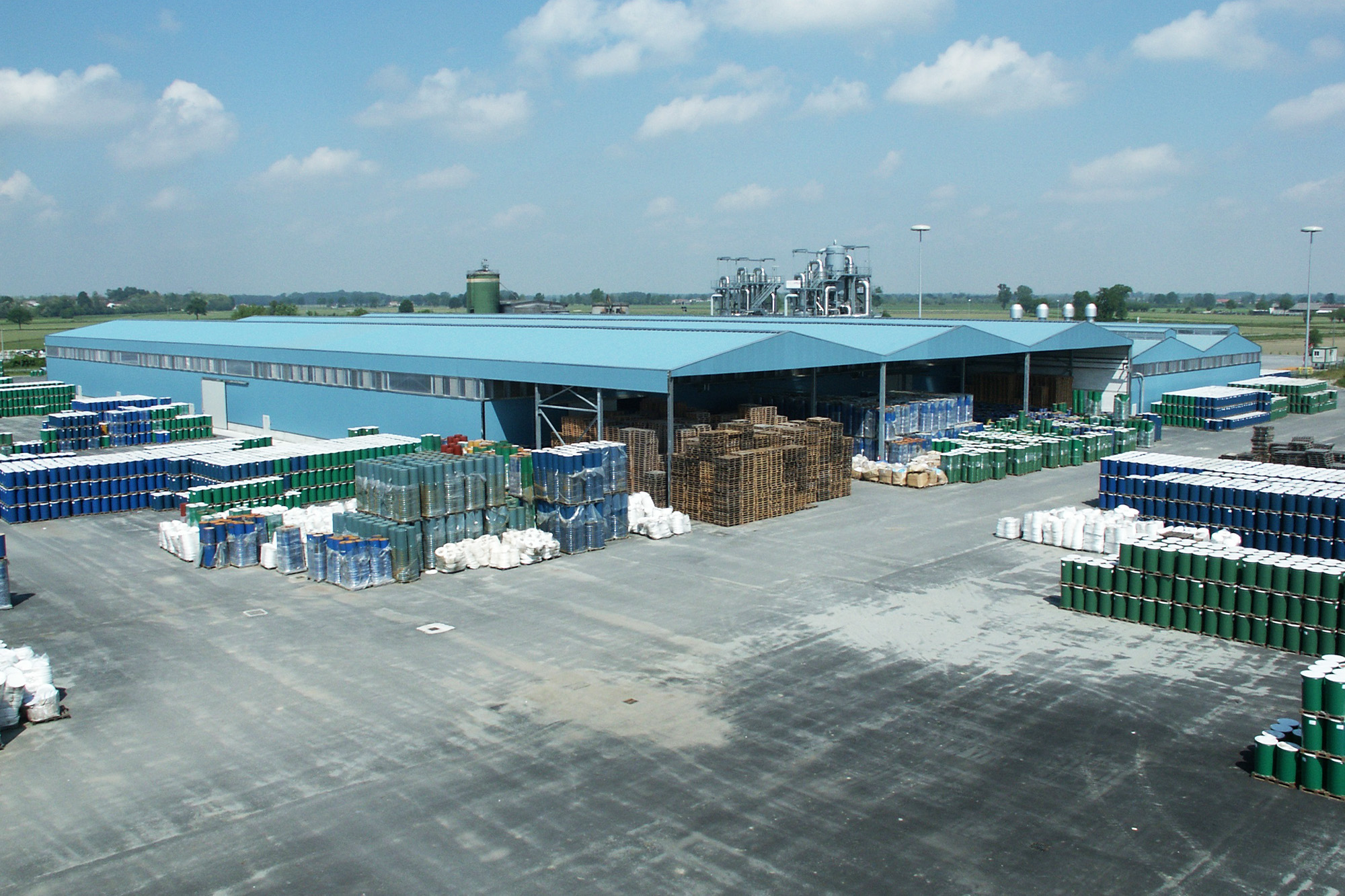
FOOD STORAGE AND PREPARATION FACILITIES
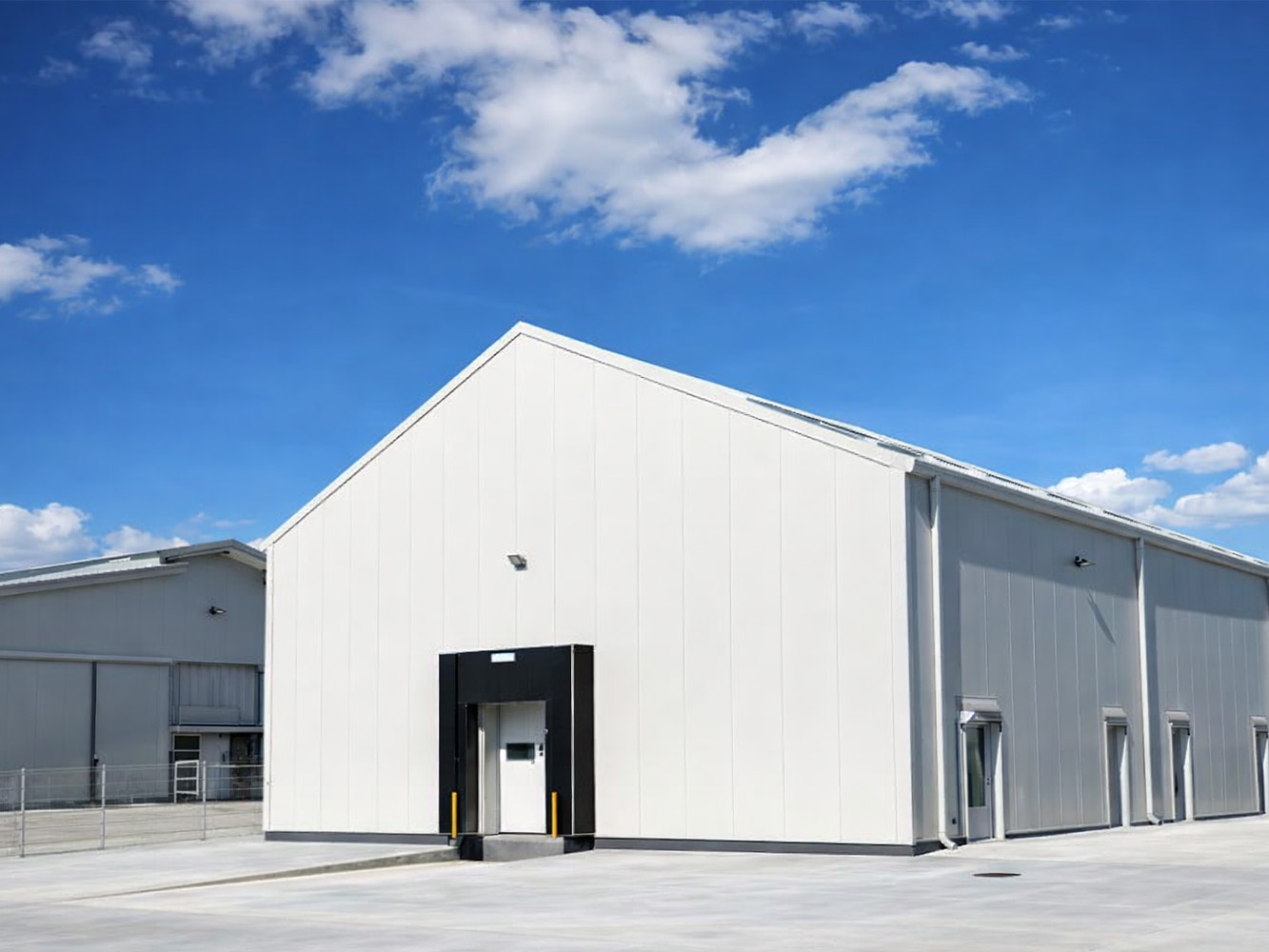
Industrial warehouses
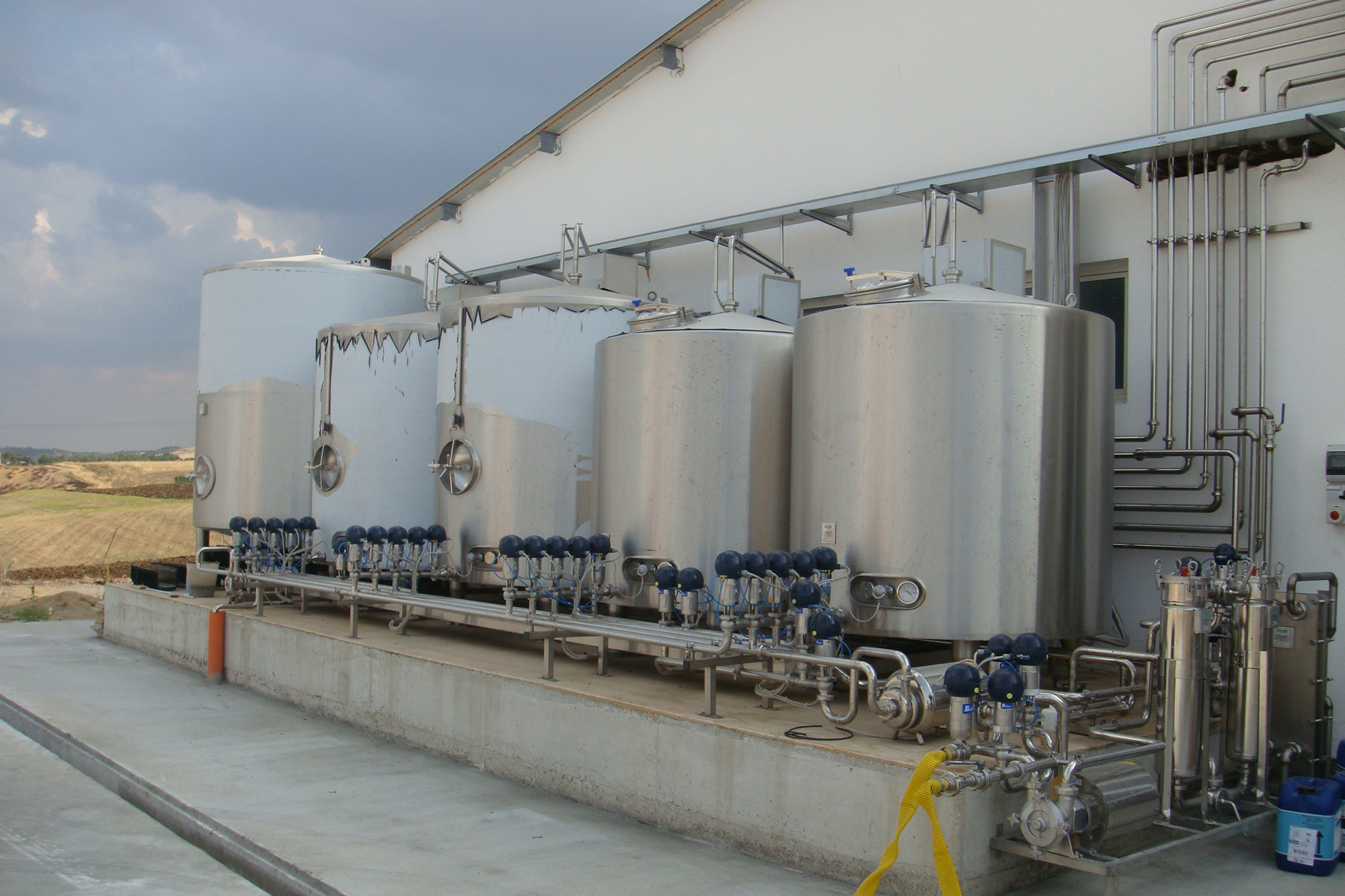
MILK AND MEAT PROCESSING FACILITIES
Dairies and slaughterhouses
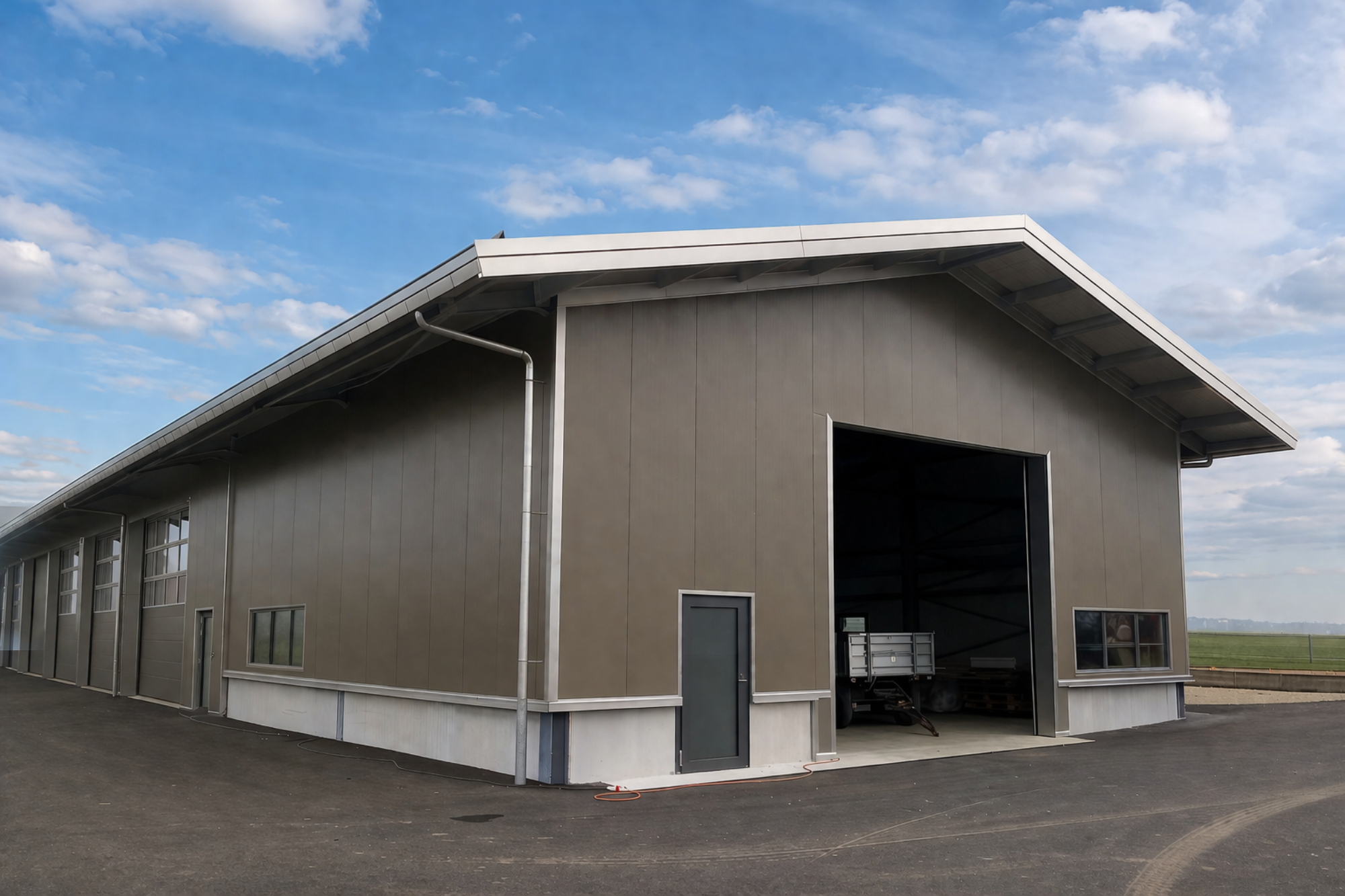
AGRI-FOOD PROCESSING FACILITIES
Factories
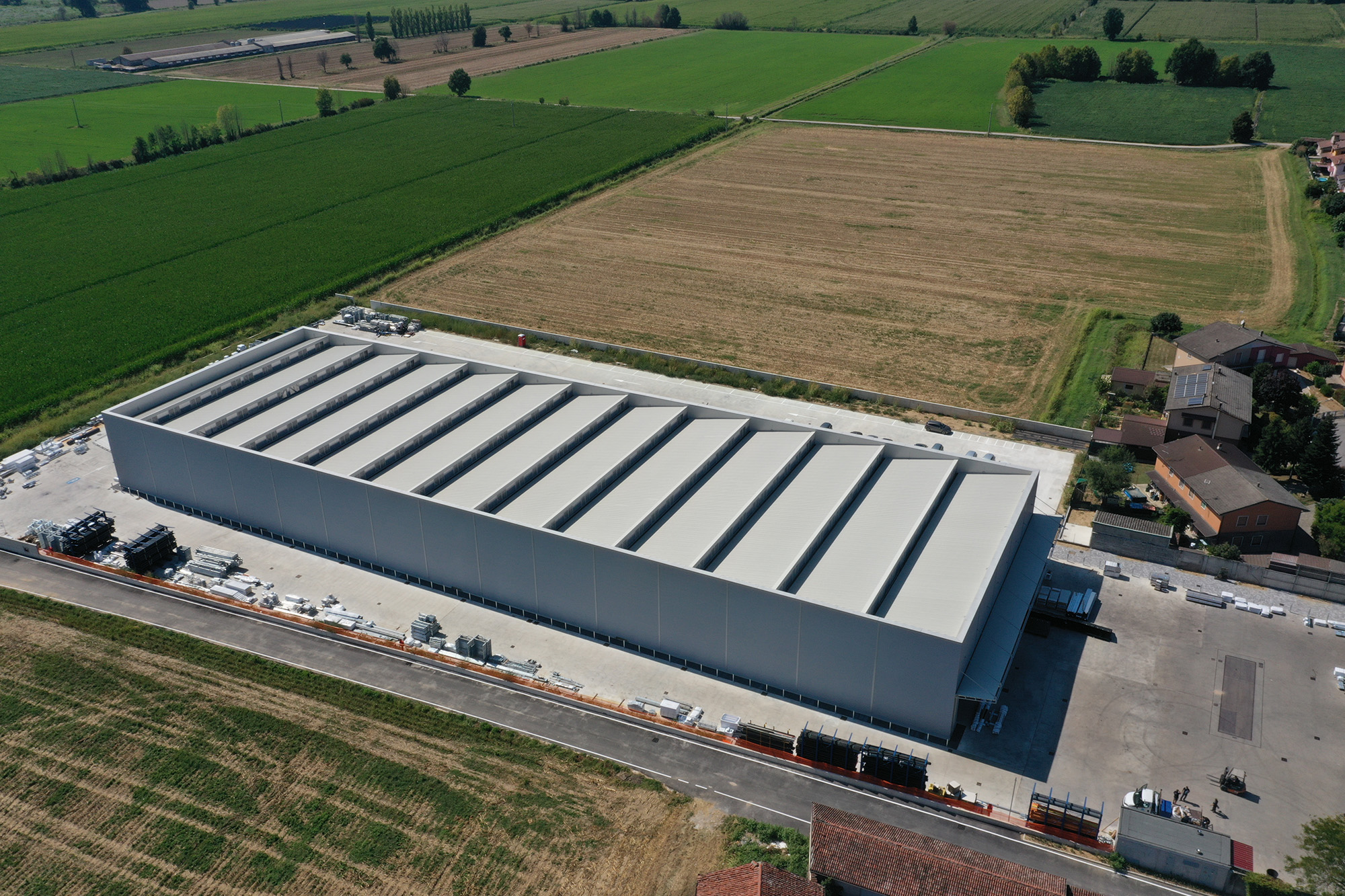
CIVIL AND INDUSTRIAL STRUCTURES
Single- and multi-story civil and industrial structures
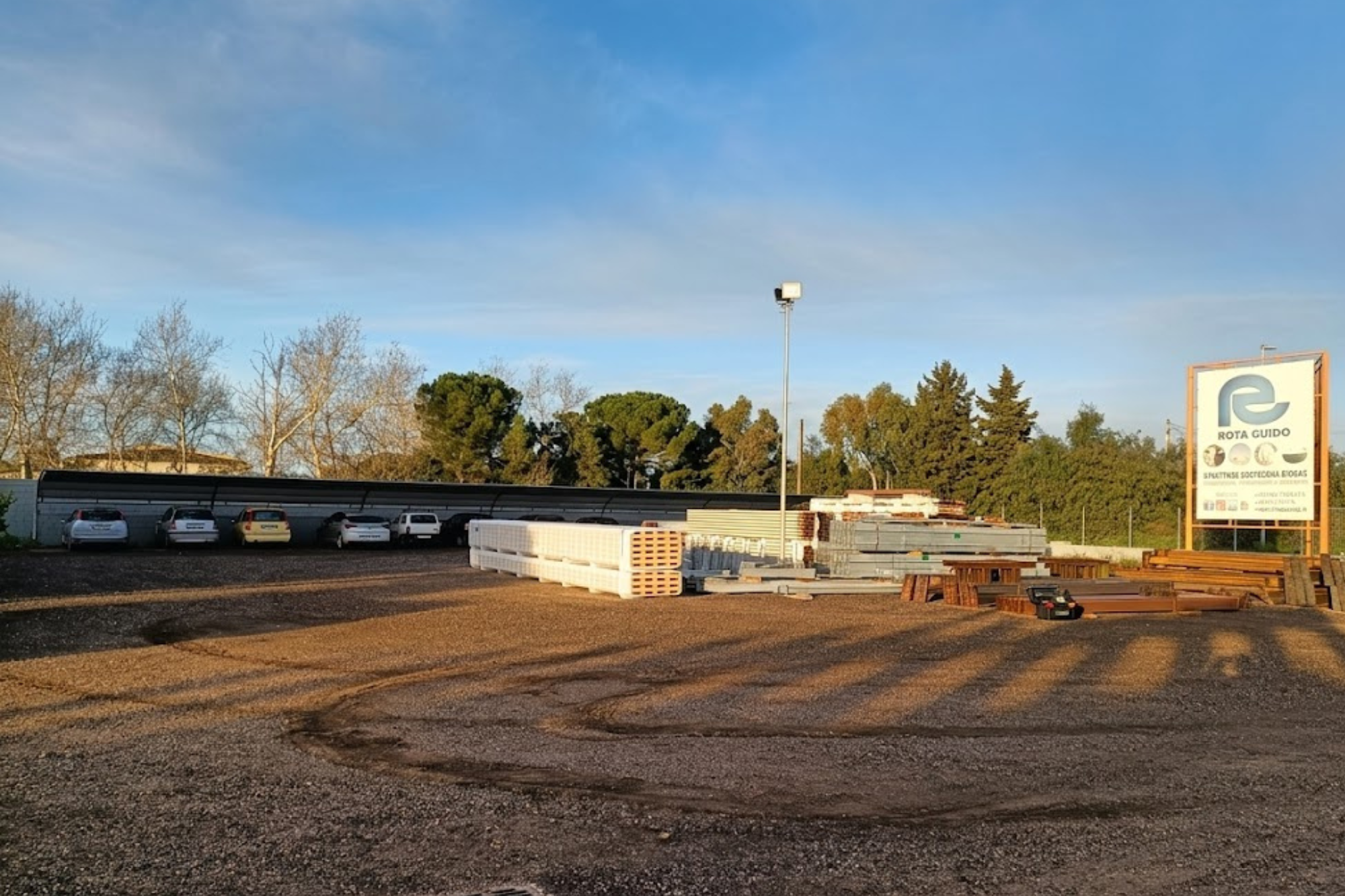
LIGHTWEIGHT ROOFING STRUCTURES
Steel curved arch canopies
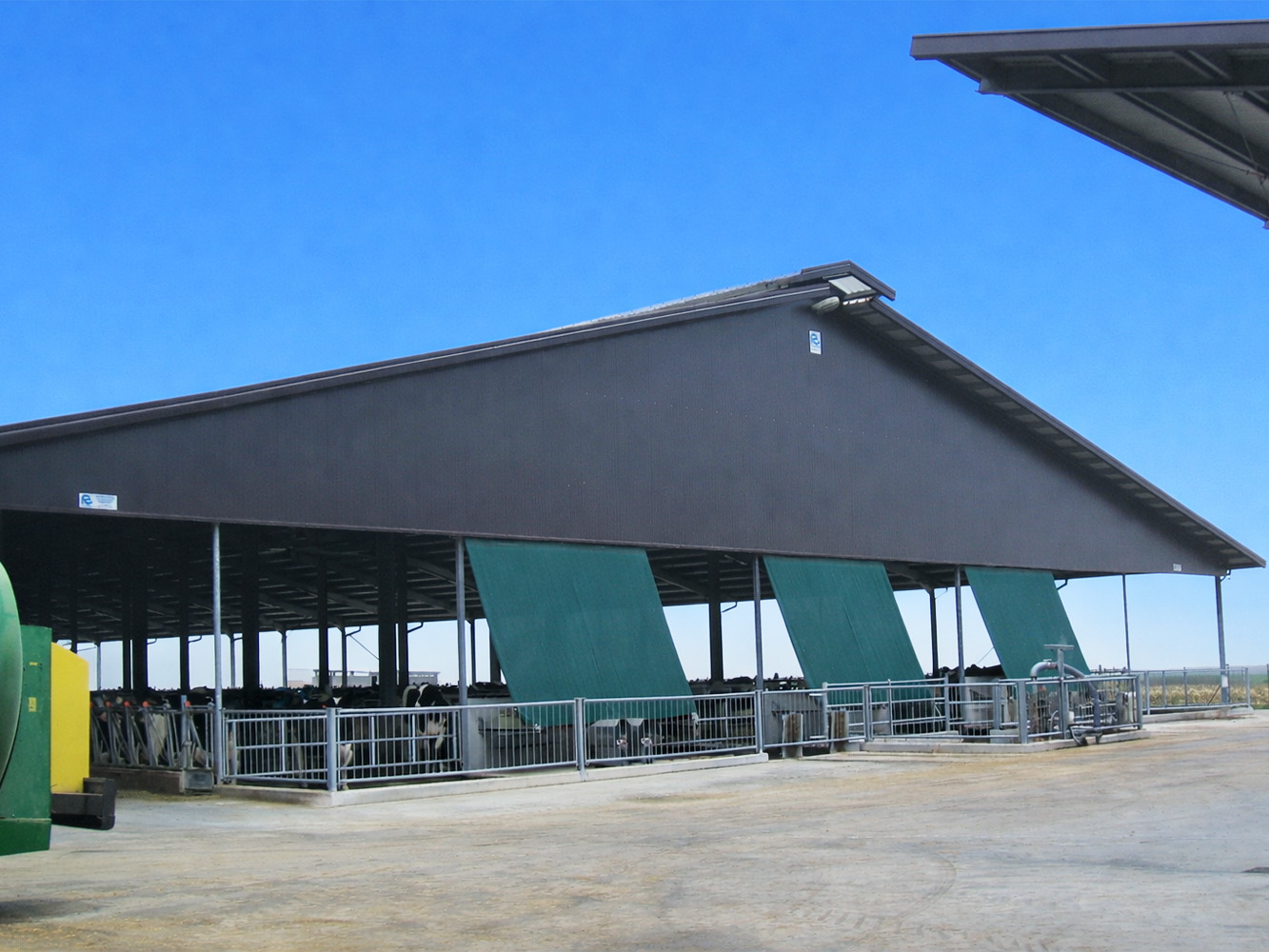
CLOSING SYSTEMS FOR MICROCLIMATE CONTROL
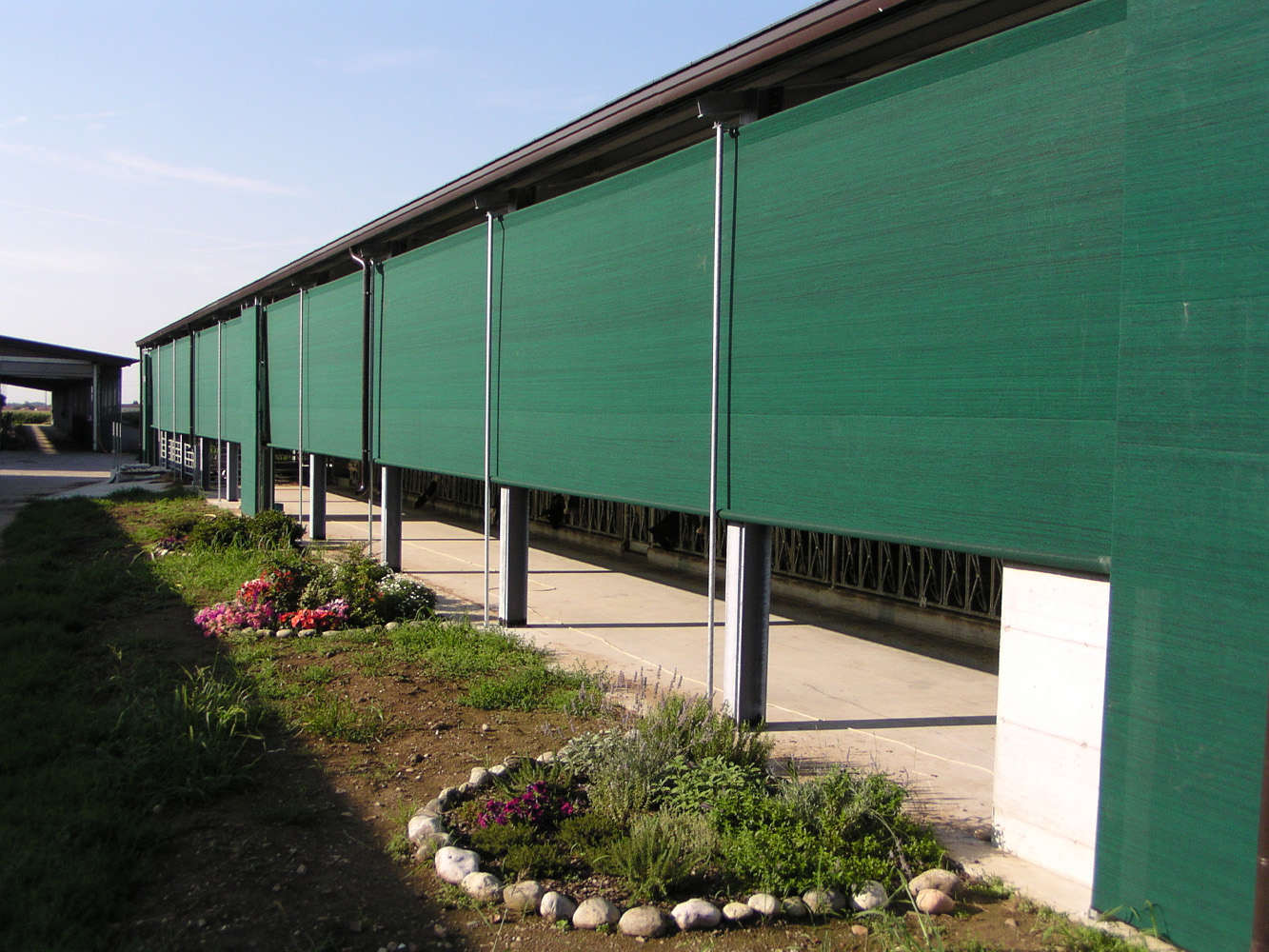
Curtains, curtain walls, and doors for livestock farms
The integration of curtains, curtain walls, and doors allows the barn to be configured consistently with climatic conditions and production needs, combining dynamic solutions and structural closures to achieve an optimal balance between natural ventilation, shading, and protection from wind, dust, and precipitation.
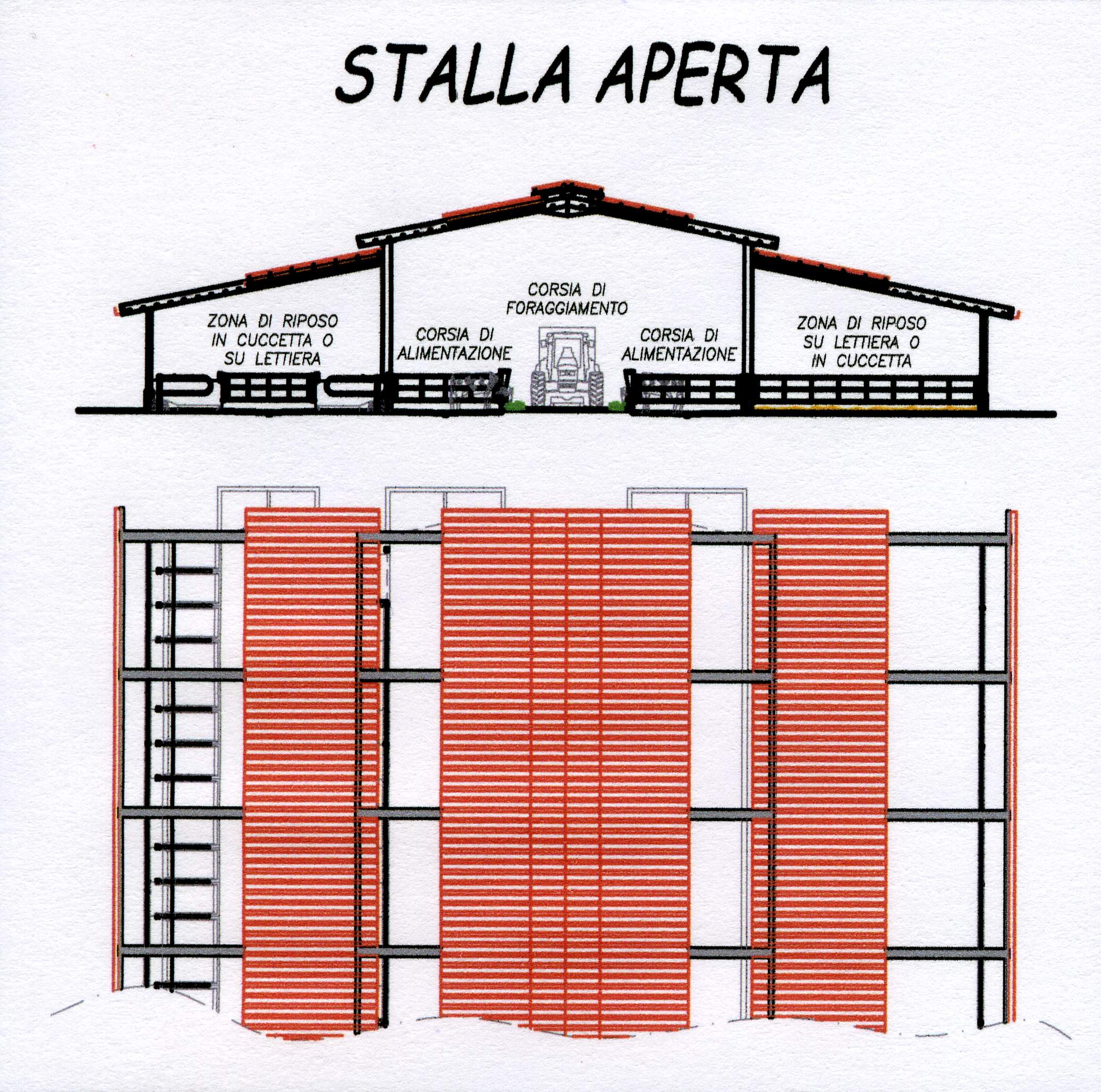
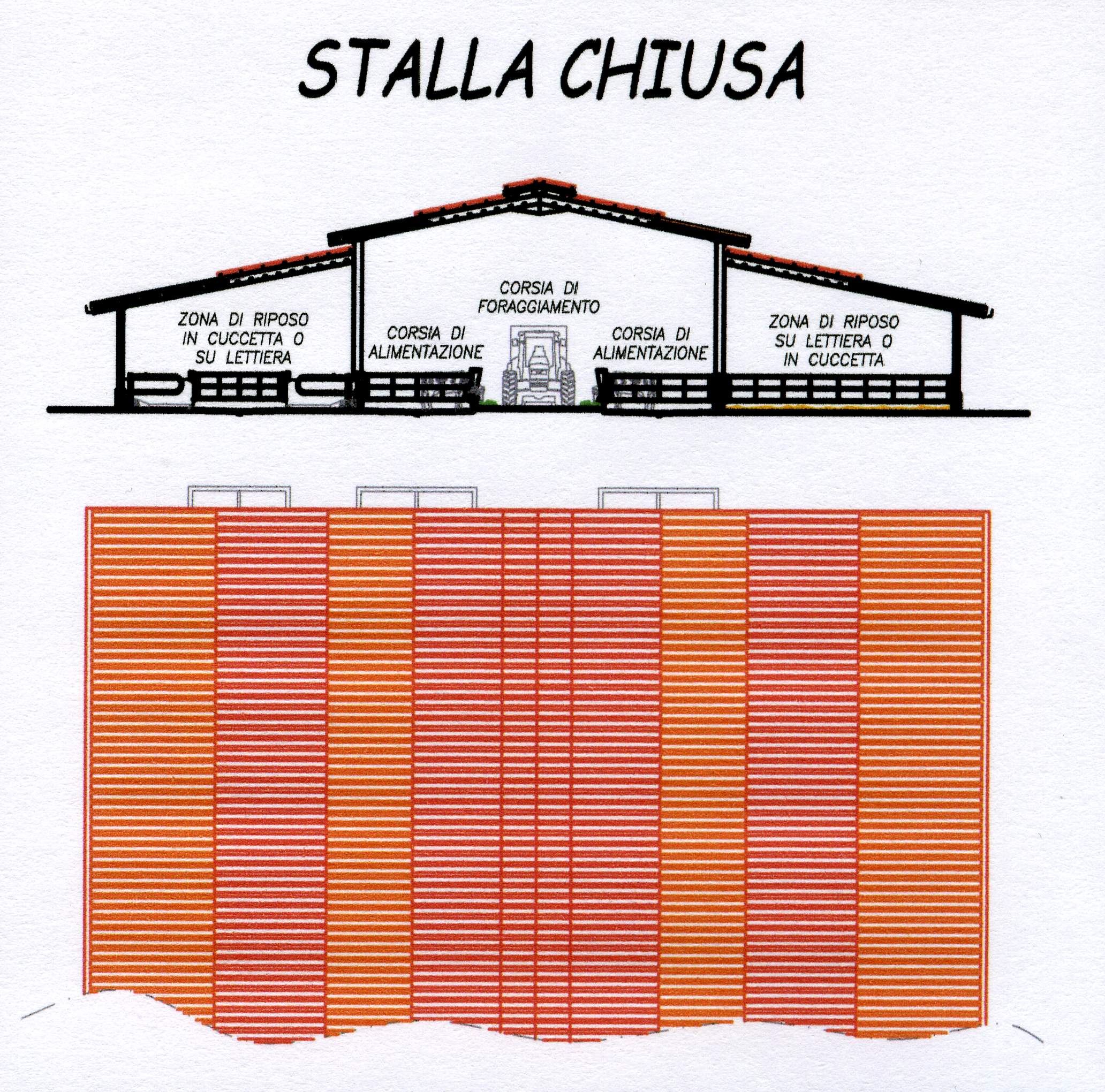
THE SUN AND STARS STABLE
Advanced microclimate management: intelligent automation
An innovative structure equipped with a motorized sliding cover that opens or closes automatically based on environmental conditions, leaving a large portion of the barn completely open, exposed to the sun or moon. Thanks to a microclimate control unit that detects temperature, humidity, radiation, rain, and wind, the barn regulates the opening to ensure maximum animal well-being in every season. In summer, it promotes nighttime ventilation and provides protection from the sun during the day, while in winter, it harnesses daytime solar heat and protects against the cold at night. All this at a low cost and with a system integrated into the supporting structure, making this technology accessible, efficient, and advantageous for farmers.
Download our app
ACCESS THE FULL ROTA GUIDO SOLUTIONS CATALOGUE
Here you’ll find news, in-depth articles and full descriptions of Rota Guido’s main products.