WEANING BUFFALO
Balanced and gradual weaning practices for healthy growth
A key stage in the growth of buffalo calves, weaning marks the transition from milk to solid feed, promoting the development of the digestive system.
In buffalo calves, the process is slower than in cattle, which is why it must be managed gradually and carefully to ensure good health and balanced growth.

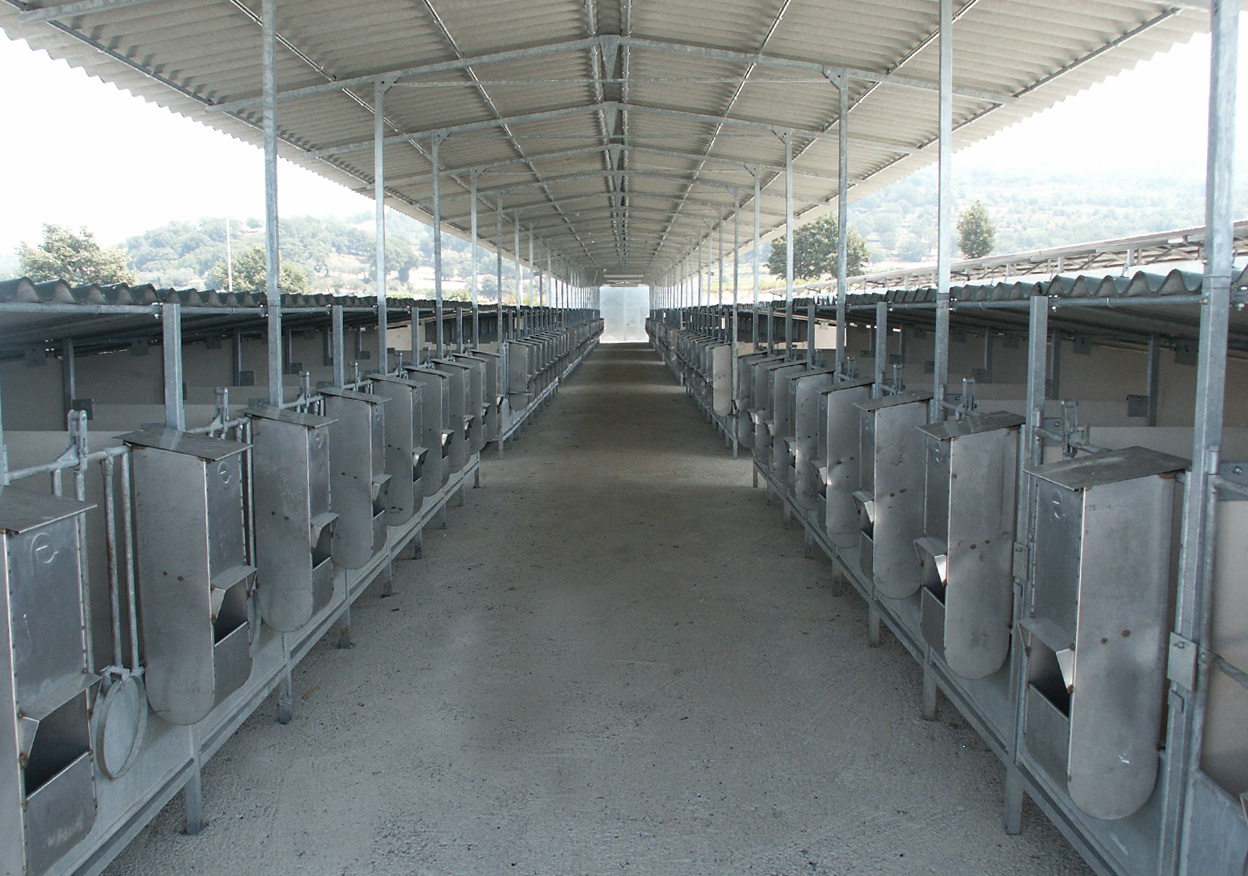
FIRST STAGE OF WEANING
Feeding colostrum
Colostrum, administered within the first 6 hours (approximately 10% of body weight), provides essential immunoglobulins for the immune system.
In the following weeks, the calf is fed milk (either from the mother or a milk replacer), supplemented with small amounts of starter feed and hay to stimulate the development of the rumen.
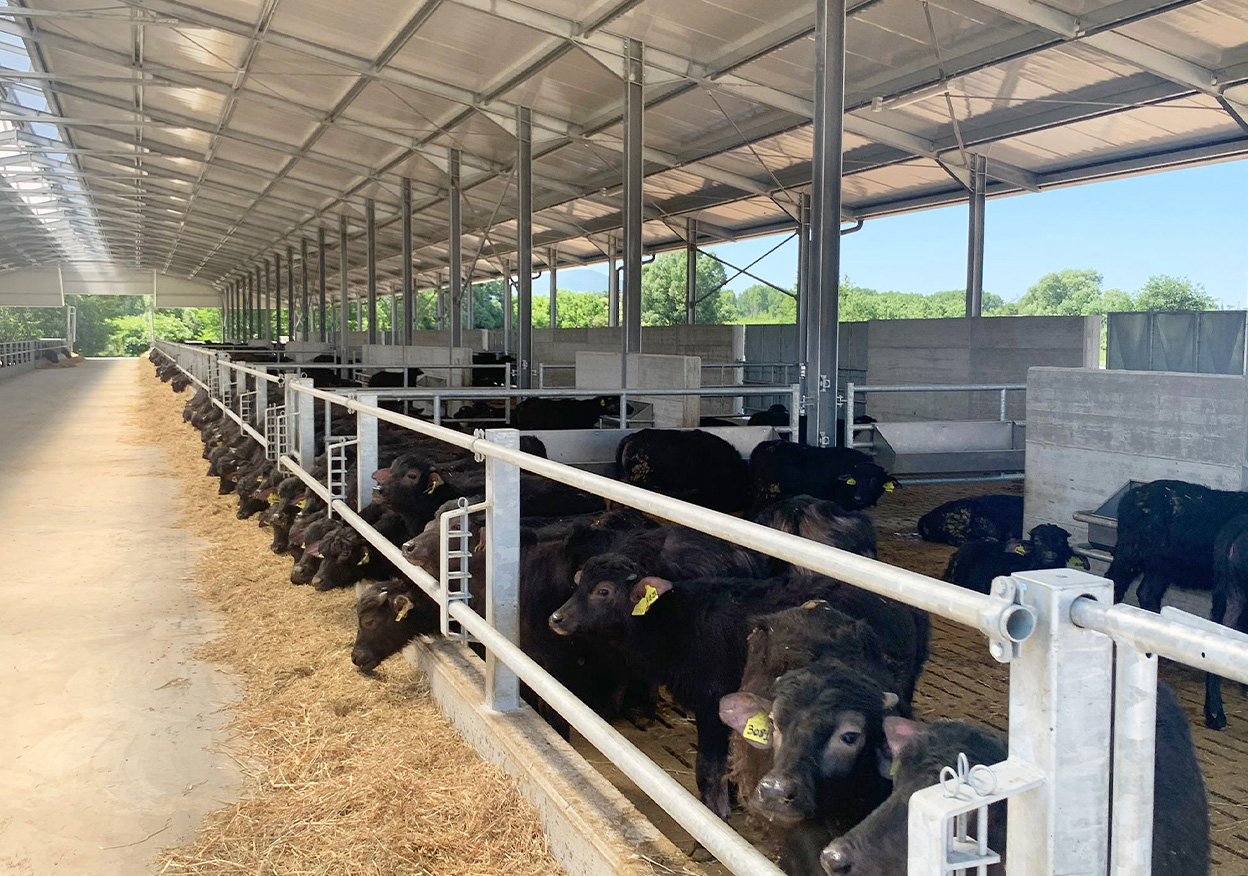
TRANSITION PHASE
Increase solid feed, reduce milk
Buffalo calves begin to be gradually introduced to solid feed (concentrates and palatable forage) whilst the amount of milk is reduced. This encourages them to consume dry matter and stimulates the growth of the ruminal papillae.
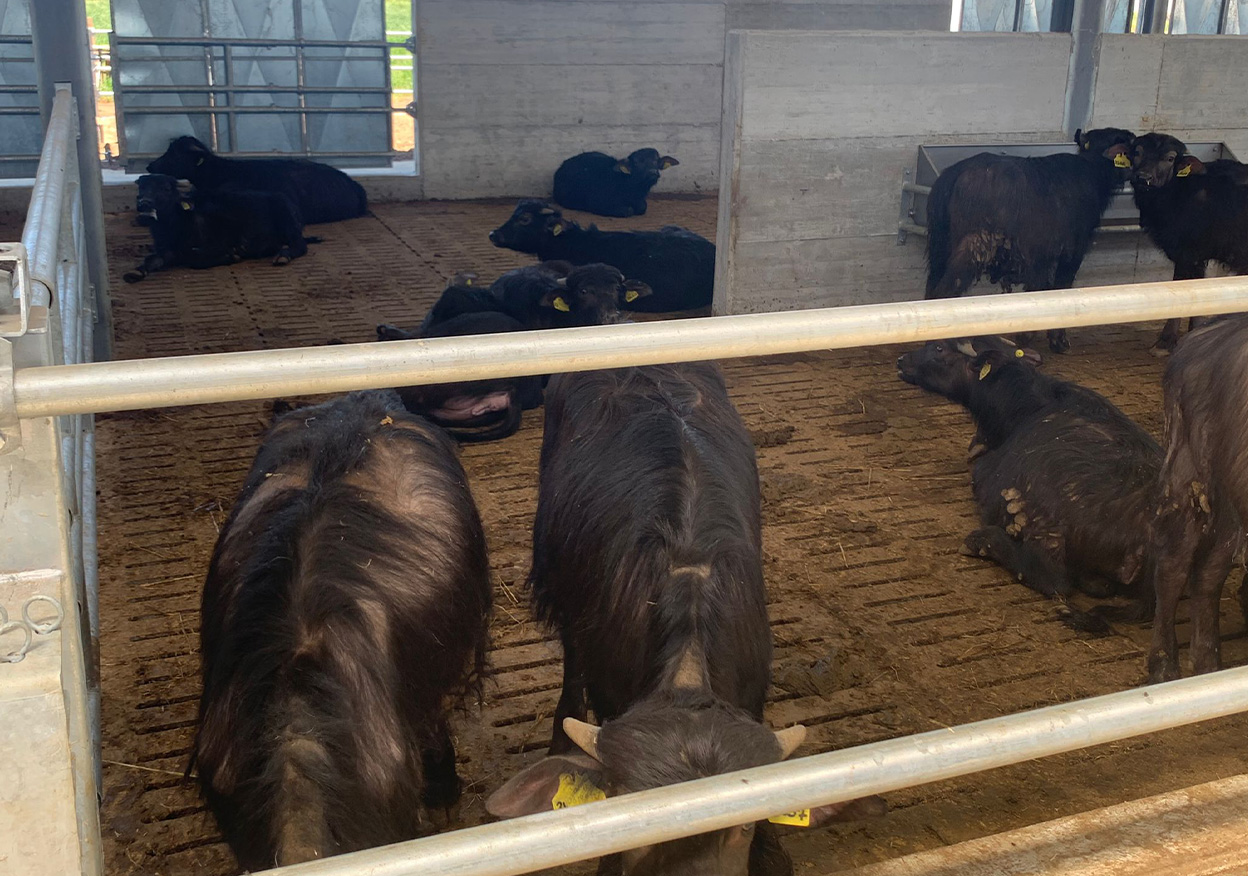
CONCLUSION: WEANING
Consistent intake of solid feed
Weaning can generally be carried out between 60 and 90 days, or once the piglets are consuming approximately 1.5–2 kg of solid feed per day.
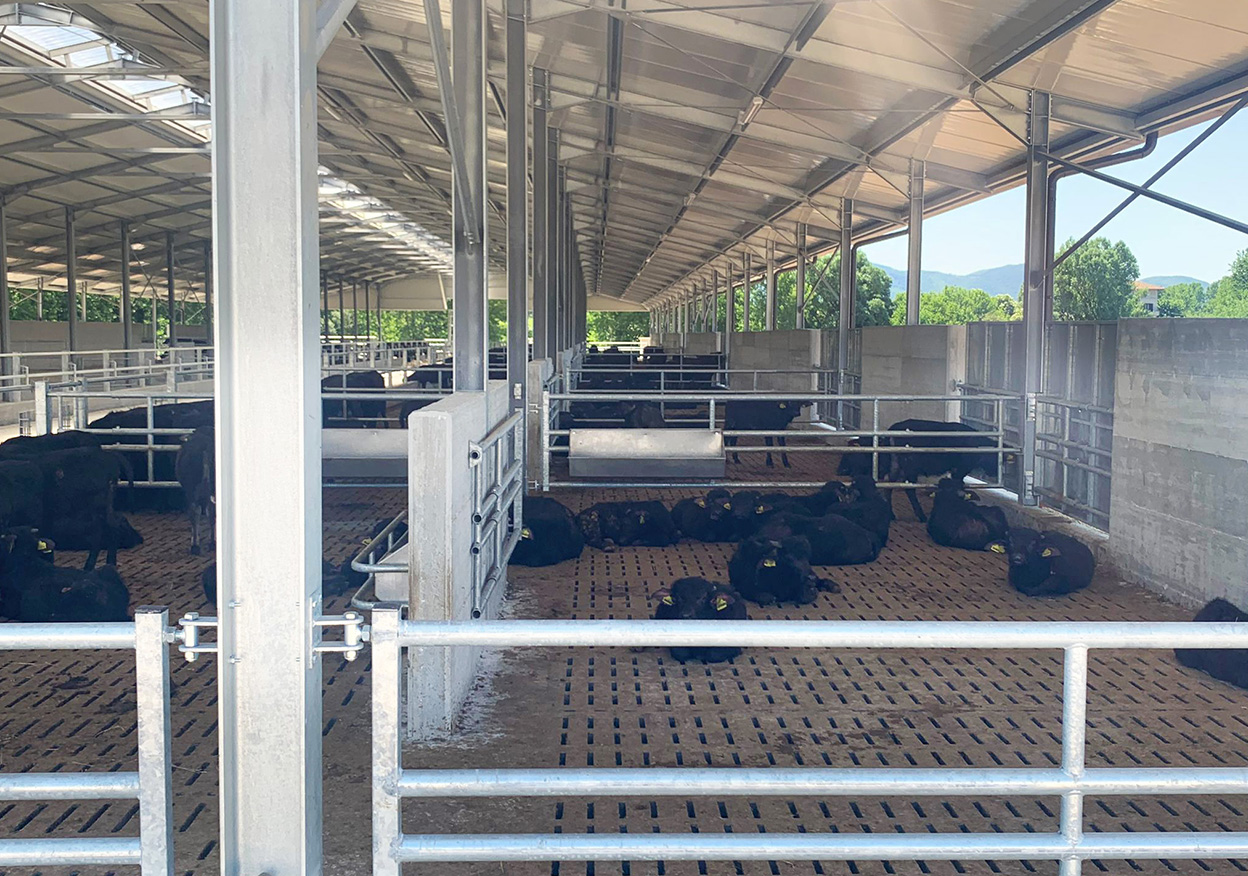
GUIDELINES
Precautions and best practices
- Gradually reduce milk intake (restriction phase) to stimulate the appetite for solid feed.
- Ensure hygiene, ventilation and a controlled microclimate in the pens, first individual and then group pens.
- Constantly monitor growth rates and dry matter intake.
- Avoid sudden changes in diet and high-volume feeds (coarse forage) that slow down digestion in young calves.
CONCRETE RESULTS
Expected benefits
- Optimal development of the digestive system
- Improved nutritional efficiency
- Reduced incidence of stress and digestive issues
- Better production performance outlook for adult animals