The climate is changing, the cow is affected
From positive-pressure ducting to modular ventilation with an integrated inverter, Rota Guido precisely meets the microclimate requirements of the barn.
MICROCLIMATE
Proper management of the microclimate in the barn
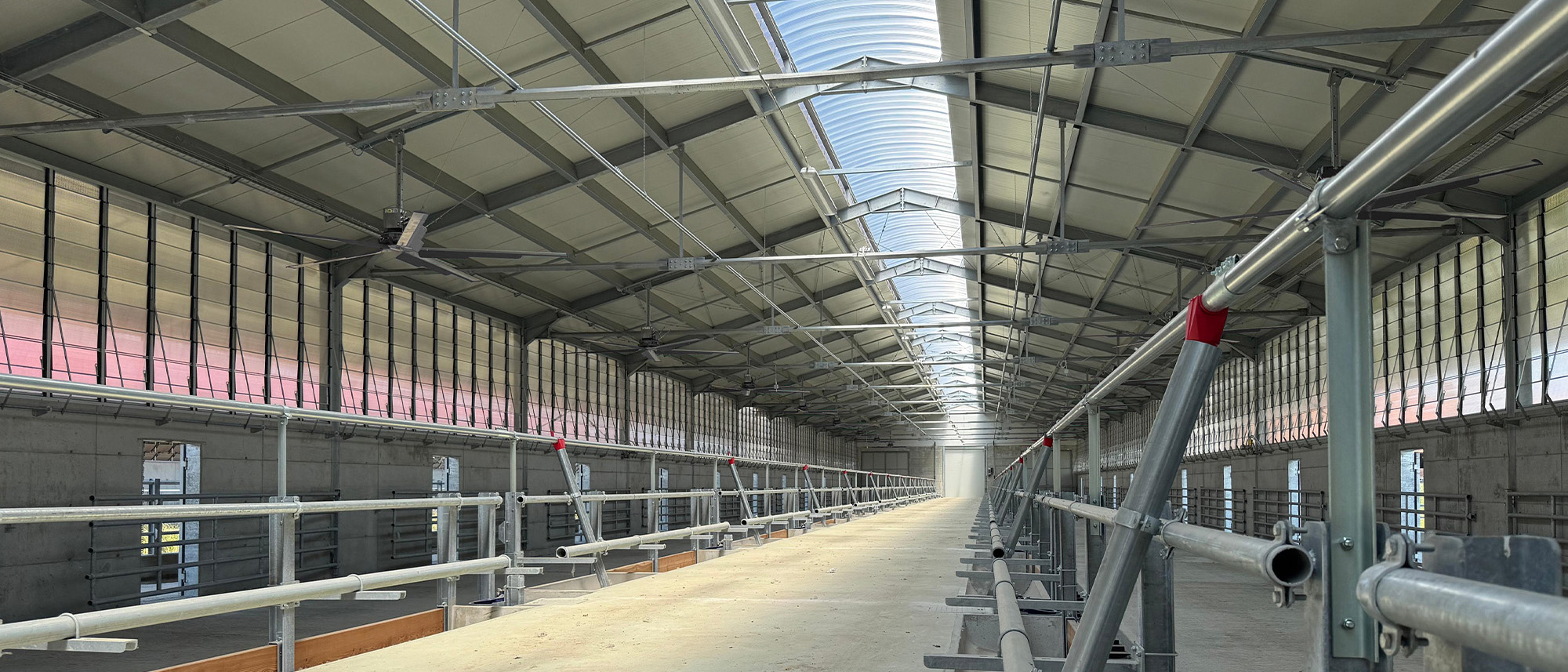
Microclimate management during the early stages of rearing is a key factor in ensuring environmental stability and air quality. This is where the positive-pressure ventilation system comes into play, as applied to the Twin Box facility – a modular solution developed by Rota Guido for calf rearing, designed to integrate the first and second stages into a single functional layout.
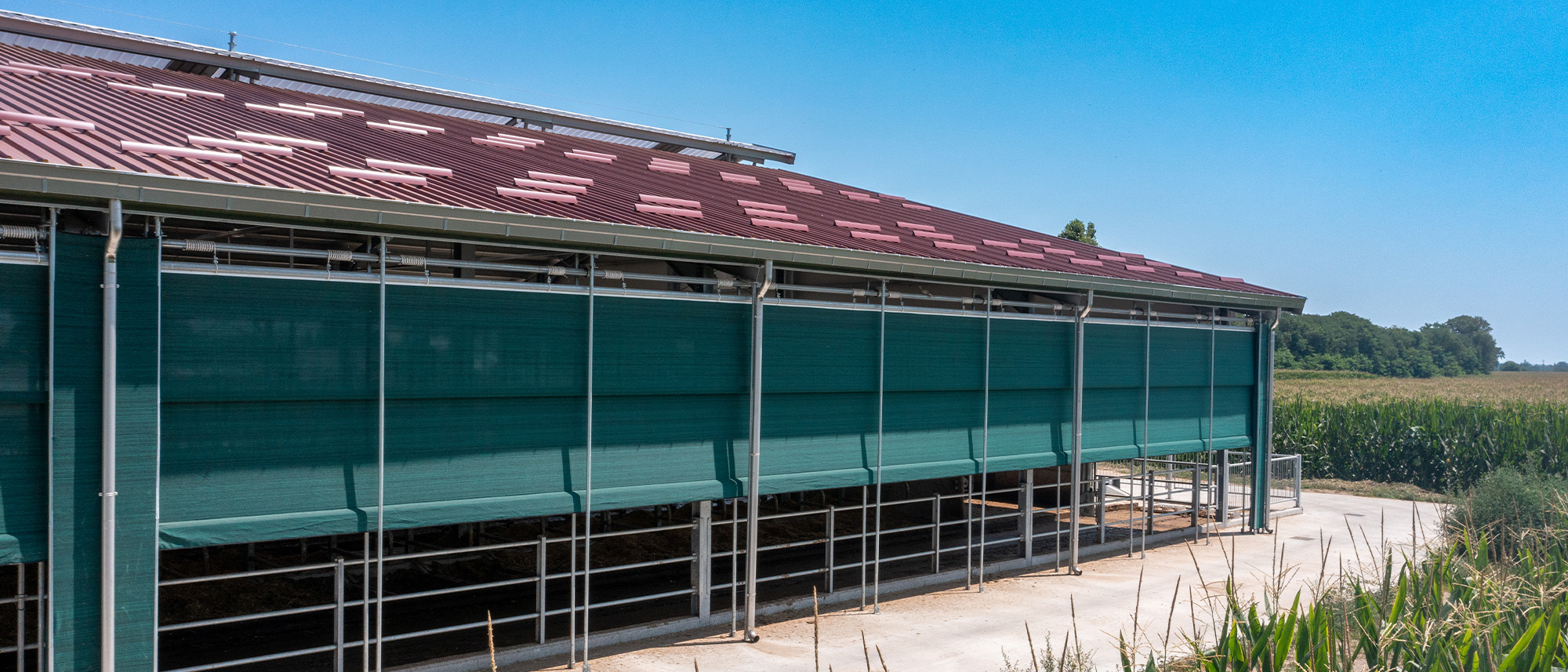
Inside the structure, microclimate control is based on the integration of natural ventilation and artificial pressure ventilation. On the one hand, artificial ventilation is provided by a positive-pressure ventilation duct: fans feed clean air into the duct, which distributes it evenly throughout the structure. This system ensures a controlled supply of fresh air, preventing stagnation and ensuring a uniform environment. The result is greater stability of the internal temperature and better humidity control, with low energy consumption. On the other hand, natural ventilation is provided by adjustable curtains and infill panels that allow the openings to be adjusted according to external conditions, adapting the air exchange rate to the different seasons. The result is a system that is simple in design yet technically advanced, capable of ensuring operational continuity and microclimatic conditions consistent with the calves’ needs throughout the year.
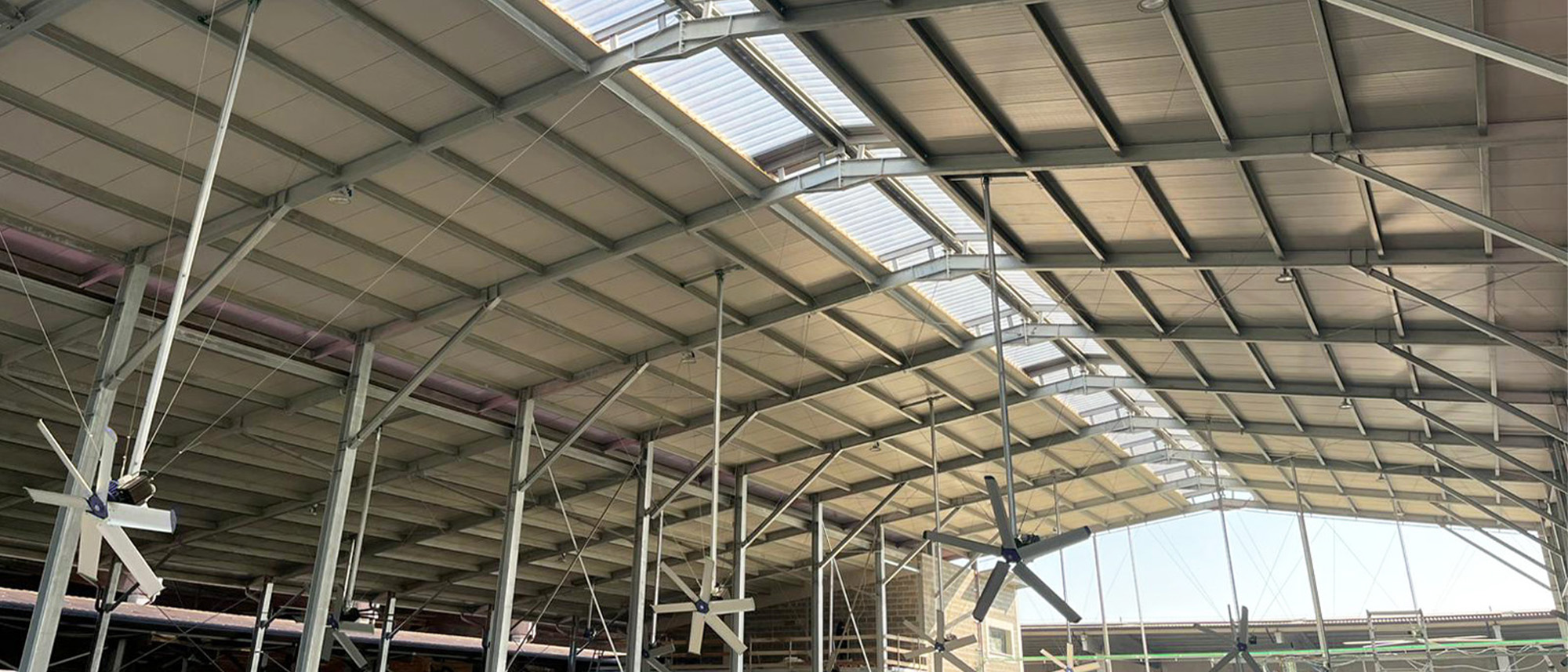
To round off its range, Rota is launching a new model of fan with a built-in inverter. Electronic control via a control unit allows the speed of each individual fan to be adjusted, increasing the air exchange rate when necessary whilst optimising energy consumption.